
Iviani Farm in Kenya transforms juicy mangoes into dried gold, slashing waste and fueling rural economies. This agro-processing success spotlights Africa’s untapped fruit potential.
Mangoes reign as a global favourite, bursting with nutrition and economic power. Africa surges ahead in production, fueled by diverse climates across North, West, East, Central, and Southern regions. Varieties thrive from Egypt’s deserts to Kenya’s coastal plains, bolstering the continent’s role in world markets.

Malawi, Egypt, and Nigeria lead production, according to the World Population Review. Egypt, Côte d’Ivoire, and Kenya top export volumes, while Egypt, Burkina Faso, and South Africa excel in value, per African Review data. Quality standards and market access drive these differences, turning raw fruit into revenue.
Kenya is among the leading mango-producing countries in Africa, counties like Kilifi, Kwale, and Taita Taveta have cultivated the crop for decades and remains to be traditional mango growing regions. Whereas, Makueni, Machakos, and Kitui county have increasingly become major production hubs, particularly in Eastern Kenya.
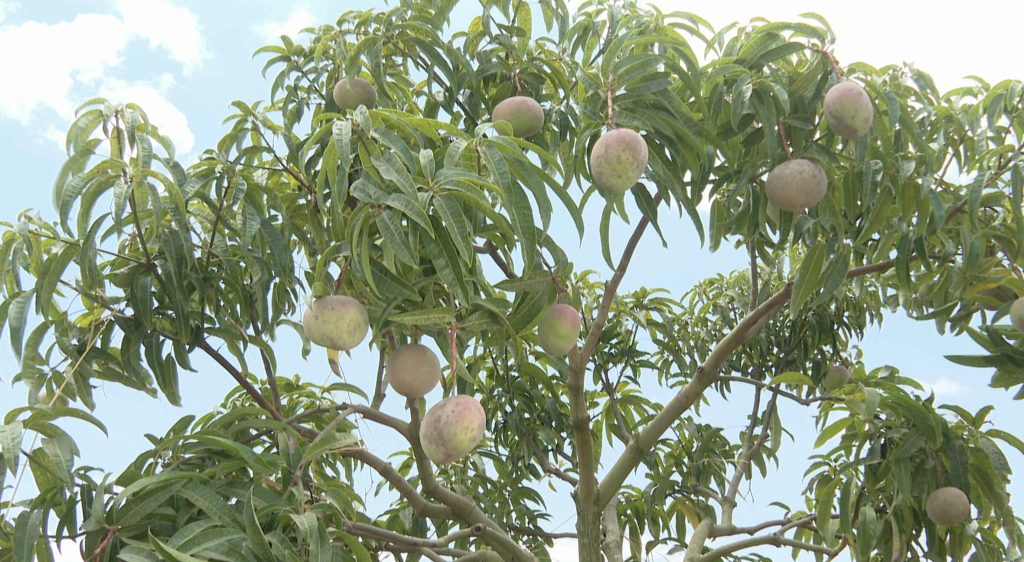
Makueni County has emerged as Kenya’s premier mango zone. Traditional hubs like Kilifi, Kwale, and Taita Taveta endure, but Eastern Kenya’s Makueni, Machakos, and Kitui now dominate output. Iviani Farm anchors this boom on 21 acres with 700 trees. Each mature tree yields 100kg per season, totaling 10 tons of fruit. The orchard sprouted from a family dream backed by government muscle.
As demand for tropical fruits continues to rise, the African mango sector presents significant opportunities for investment, value addition, and policy support to enhance competitiveness and ensure sustainable growth across the continent.
Faith Mumo, the Director of Iviani Farm Limited based in Makueni County, the country’s leading mango producing county says that a single mature mango tree on her farm produces an average of 100 kilograms of fruit per season.
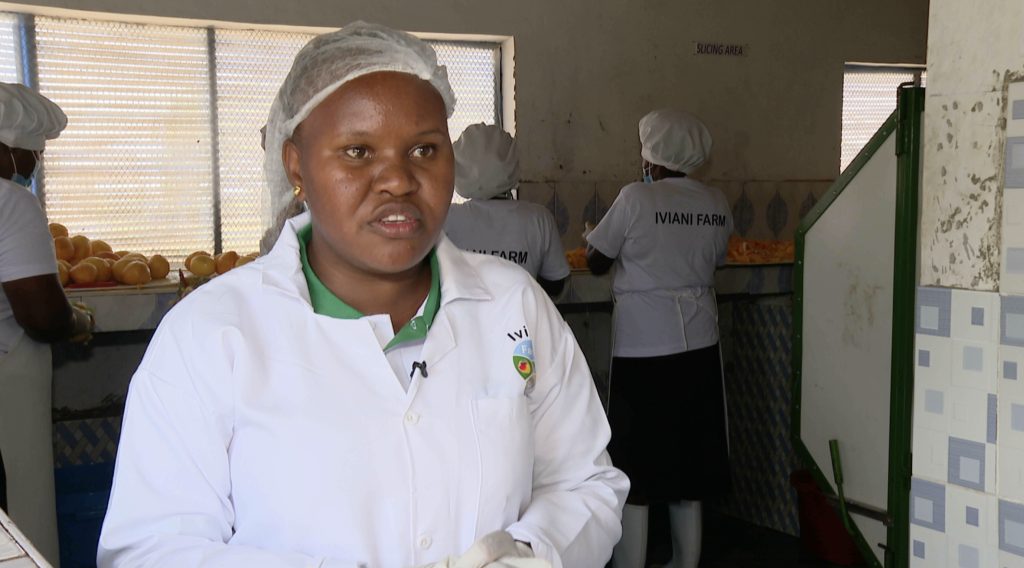
Iviani Farm sits on a 21acre piece of land and has 700 mango trees, which collectively yield approximately 10 tons per season. Faith attributes the establishment of the orchard to the support from the Makueni County Government. She noted that her late father, Mr. Munyao, planted the mango trees with assistance from the county’s Director of Agriculture, a partnership she says laid the foundation for the family’s agribusiness venture.
According to Ms. Mumo, the family ventured into mango value addition and processing after experiencing significant post-harvest losses and limited market access for fresh fruit. These challenges prompted the establishment of a mango processing unit which was aimed to reduce losses and improve returns. Processing operations began in 2020 using fruit from their own farm. During this initial phase, the company trained machine operators and casual workers on mango slicing techniques tailored to specific customer requirements.
By 2021, Faith says Iviani Farm expanded its sourcing to include mangoes from the surrounding community and other regions across the country. This enabled the factory to operate throughout the year and consistently meet customer demand. Ms. Mumo noted that this expansion not only stabilized production but also created a reliable market for local farmers.
Faith Mumo, outlined the processing stages, which she mentioned, begins with fruit picking and grading. “Mangoes are harvested when slightly ripe and without excessive redness on the skin,” she said.
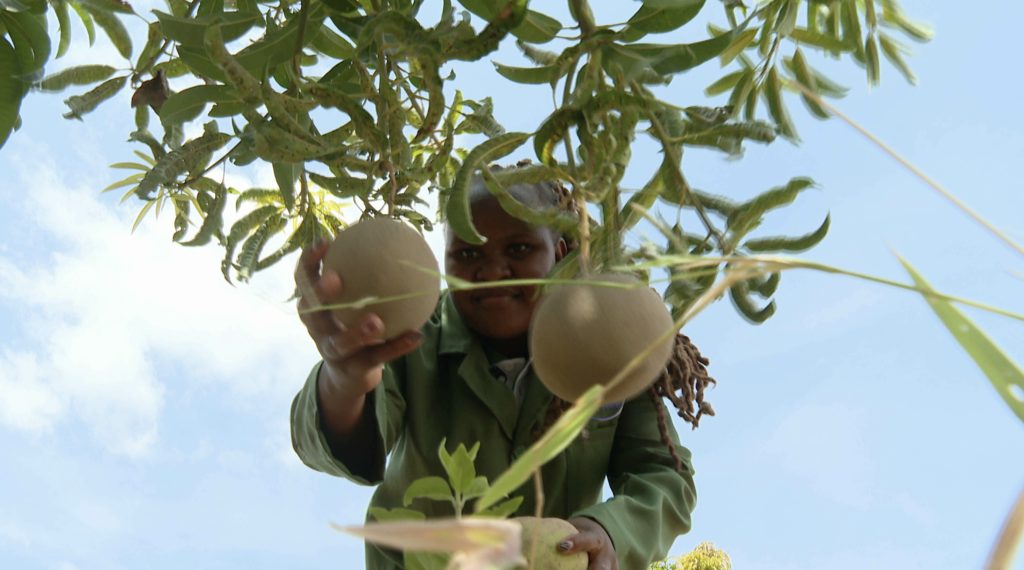
Mumo emphasized that improper harvesting can lead to financial losses, particularly when sourcing fruit from external farmers. To minimize this risk, Iviani Farm has trained specialized mango pickers. Once mango fruits are harvested, they are placed in a ripening shade until they reach full ripeness.
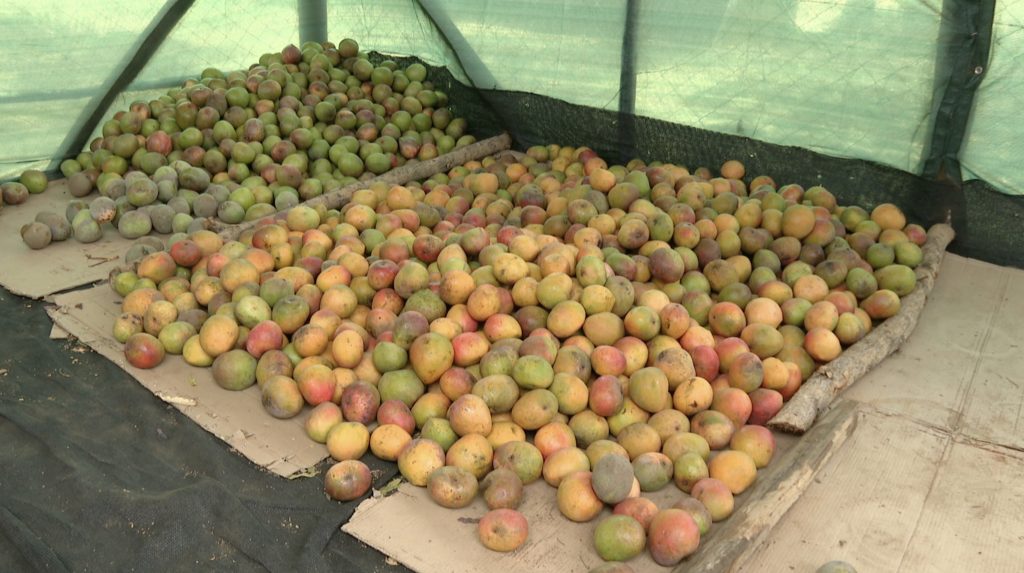
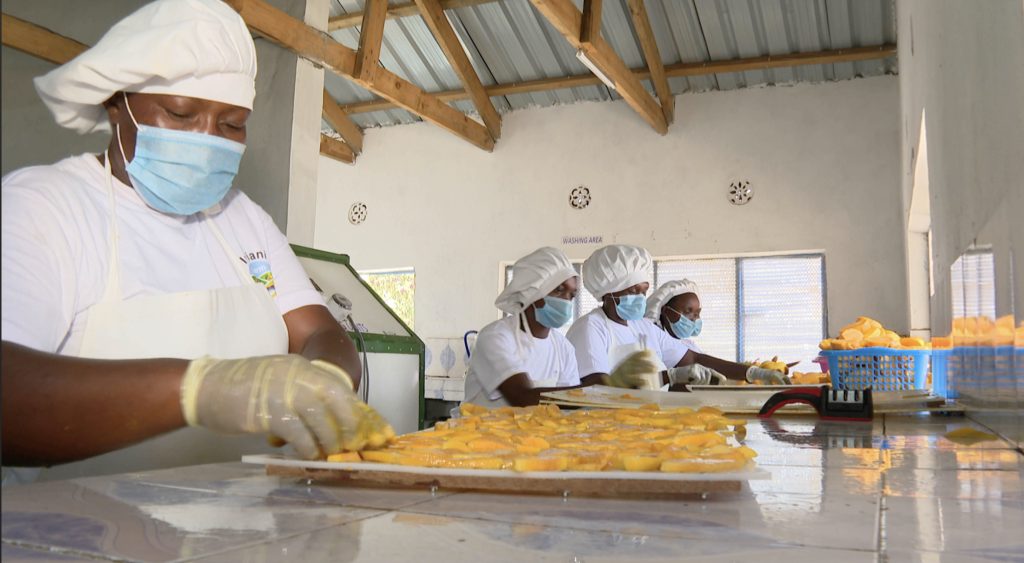
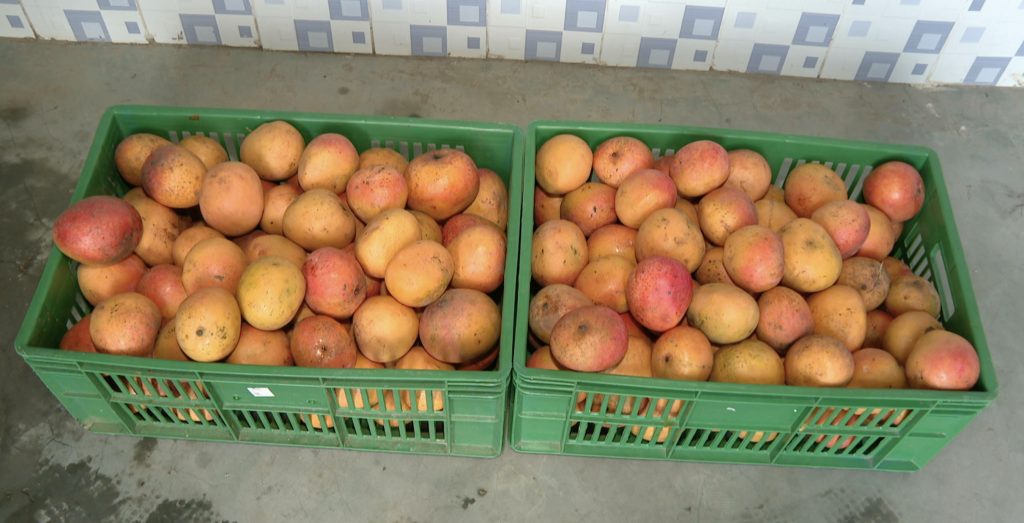
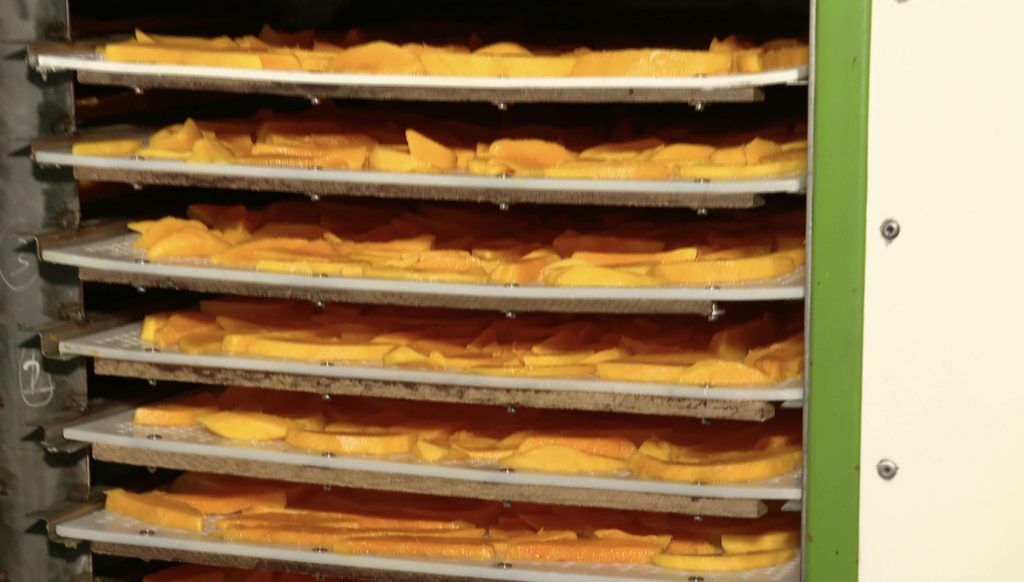
Once ripe the next stage, she mentioned that the mangoes are sorted, weighed, and thoroughly washed before peeling. They are then sliced according to customer specifications, which vary by market. Iviani Farm’s main export destinations include Italy, South Africa, and the United States, each with distinct requirements for size and shape. The sliced mangoes are soaked in organic citric acid for ten minutes before being arranged on drying racks awaiting to be dehydrated.
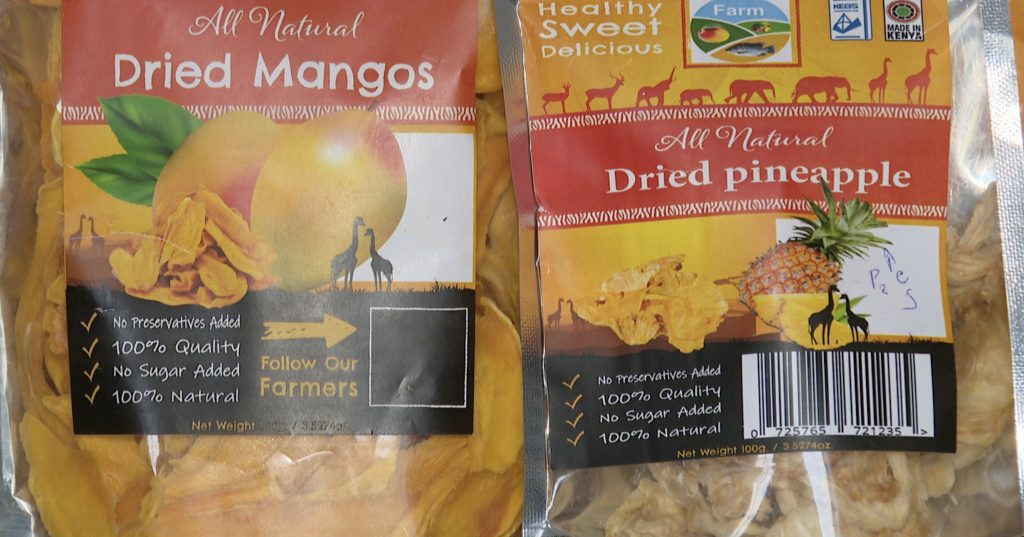
Faith further explains that the drying system uses a boiler powered by firewood. Steam generated by the boiler is converted into hot air, which facilitates the dehydration process. Drying takes approximately six hours, with each dryer handling up to 250 kilograms of fresh mangoes. The factory processes about 1,000 kilograms of fresh mangoes per day, yielding roughly 100 kilograms of dried fruit. In addition to mangoes, the facility also adds value to pineapples, bananas, and coconuts.
After drying, the fruits are transferred to a temporary storage area, where the export bound consignment awaits to be dispatched and shipped abroad. The remaining dried fruits, the Director at Iviani Farm says they are packaged at the facility for the local market. Ms. Mumo mentions that they are planning on penetrating more domestically thus expanding the local market in Kenya.
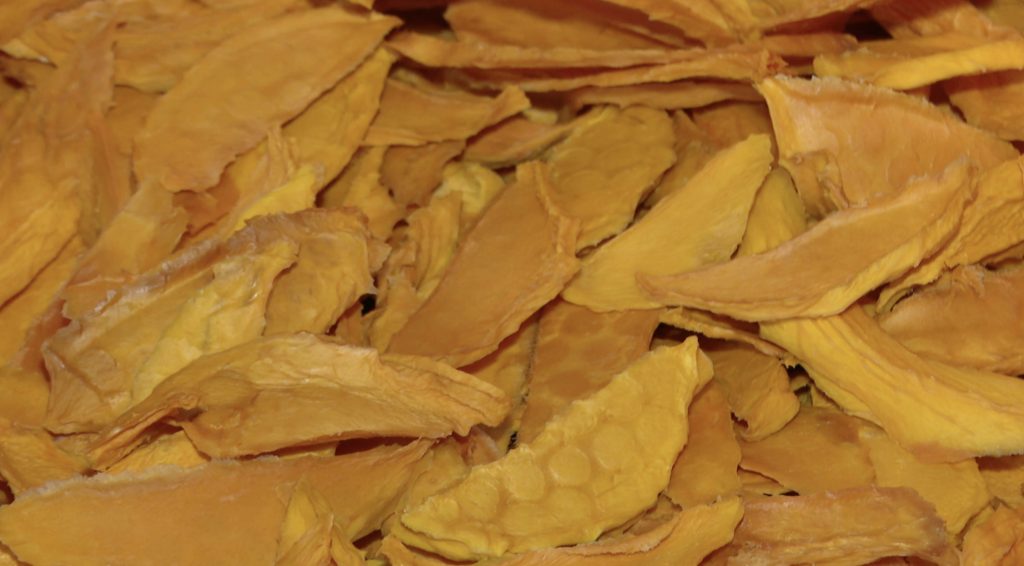
She notes that value addition has proven both profitable and impactful. It has significantly reduced post-harvest losses, created employment opportunities, and strengthened linkages with the local farming community through fruit purchases. She added that value addition extends shelf life since dried fruits can stay up to 12 months, while retaining the full nutritional value of the fruit, making it a sustainable solution for both farmers and processors.
Value addition is a critical pillar when it comes to advancing Africa’s food sustainability. Transforming raw agricultural produce into ready market products, farmers and processors can significantly reduce post-harvest losses, and minimize food wastage across the continent. Value addition not only preserves food quality but extends shelf life, improves incomes, stabilizes Africa’s agriculture food market, thus making it resilient to market fluctuations, improves food security, encourages investment in agro-processing industries, creates employment opportunities and strengthens rural economies in Africa.