
Pulses pack a quiet punch on our plates and in our fields, and every 10 February the world pauses to celebrate their power to nourish people and the planet.

World Pulses Day, marked every year on 10 February, was proclaimed by the UN General Assembly in 2018 to recognize the vital role of pulses in food and nutrition security. Pulses are the dry, edible seeds of plants such as beans, lentils, chickpeas and peas, and they provide an important and generally affordable source of protein, especially where meat and dairy remain out of reach. In 2022, farmers produced close to 96 million tons of pulses worldwide, and global per capita consumption is expected to keep rising as more people turn to plant-based foods.
The day grew out of the momentum of the 2016 International Year of Pulses and was created to keep public attention on these “seeds of hope”. By dedicating a UN observance to pulses, countries aim to raise awareness, encourage collaboration and spur investment so that pulses become more accessible and better integrated into national food systems. Events, from farmer field days to school campaigns and policy dialogues, highlight how pulses can help achieve the Sustainable Development Goals by 2030.
Nutritionally, pulses are rich in protein, fiber, vitamins and minerals, while being naturally low in fat, which can help lower cholesterol and control blood sugar. Health agencies note that regular consumption of beans, lentils and chickpeas can help prevent and manage non-communicable diseases such as type 2 diabetes and heart conditions. For families squeezed by the cost-of-living crisis, pulses offer a long-shelf-life, low-cost way to put nutritious food on the table and cut food waste.

Beyond the plate, pulses help farmers adapt to climate change and protect soils. These crops fix nitrogen in the soil, reducing the need for synthetic fertilizers, improving soil fertility and supporting more diverse, resilient cropping systems. With more than 100 types of pulses grown globally, they enrich biodiversity on farms and support sustainable agrifood systems with lower greenhouse gas emissions.
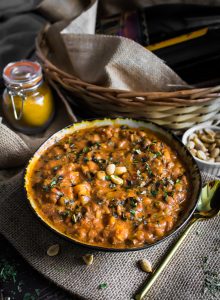
World Pulses Day is also a reminder that simple choices like adding lentils to a stew, buying from local pulse producers, or including beans in school meals can support farmers and cut hunger. As global production is forecast to reach about 125 million tons by 2032, pulses are set to play an even bigger role in building resilient food systems that leave no one behind.
Images courtesy of Ingredients Network, Safi Organics, SciDev.Net, My Digital Kitchen,Farmers Trend