
Jackline Nyongesa, an indigenous poultry farmer from Bungoma, Kenya, has turned her small farm into a thriving business that finances her basic needs.
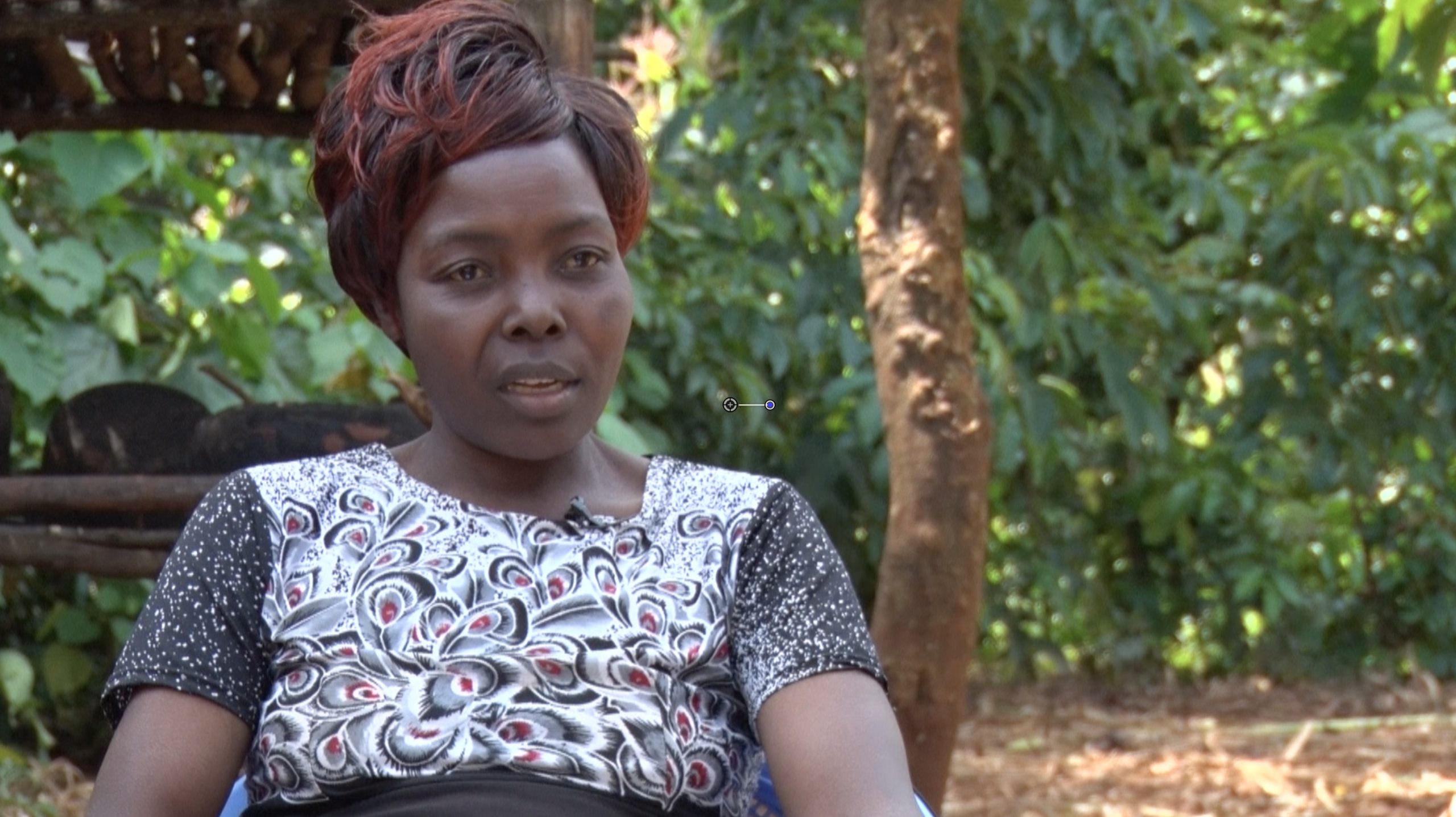
Through training from Biovision Africa Trust (BvAT), she manages over 100 chickens, selling eggs and birds to sustain her business venture.
Jackline’s journey highlights the potential of indigenous poultry farming in Kenya “I sell eggs which help me to pay for my children’s school fees,” she says. “When eggs fail to hatch, I sell the chicken to hotels, supermarkets and other local farmers which has helped me sustain my venture,” she adds.
Her farm now boasts over 100 chickens, providing steady income. This revenue has enabled her to invest in cows, diversifying into larger livestock. The business offers resilience against market fluctuations and seasonal challenges that are common in rural Kenya.
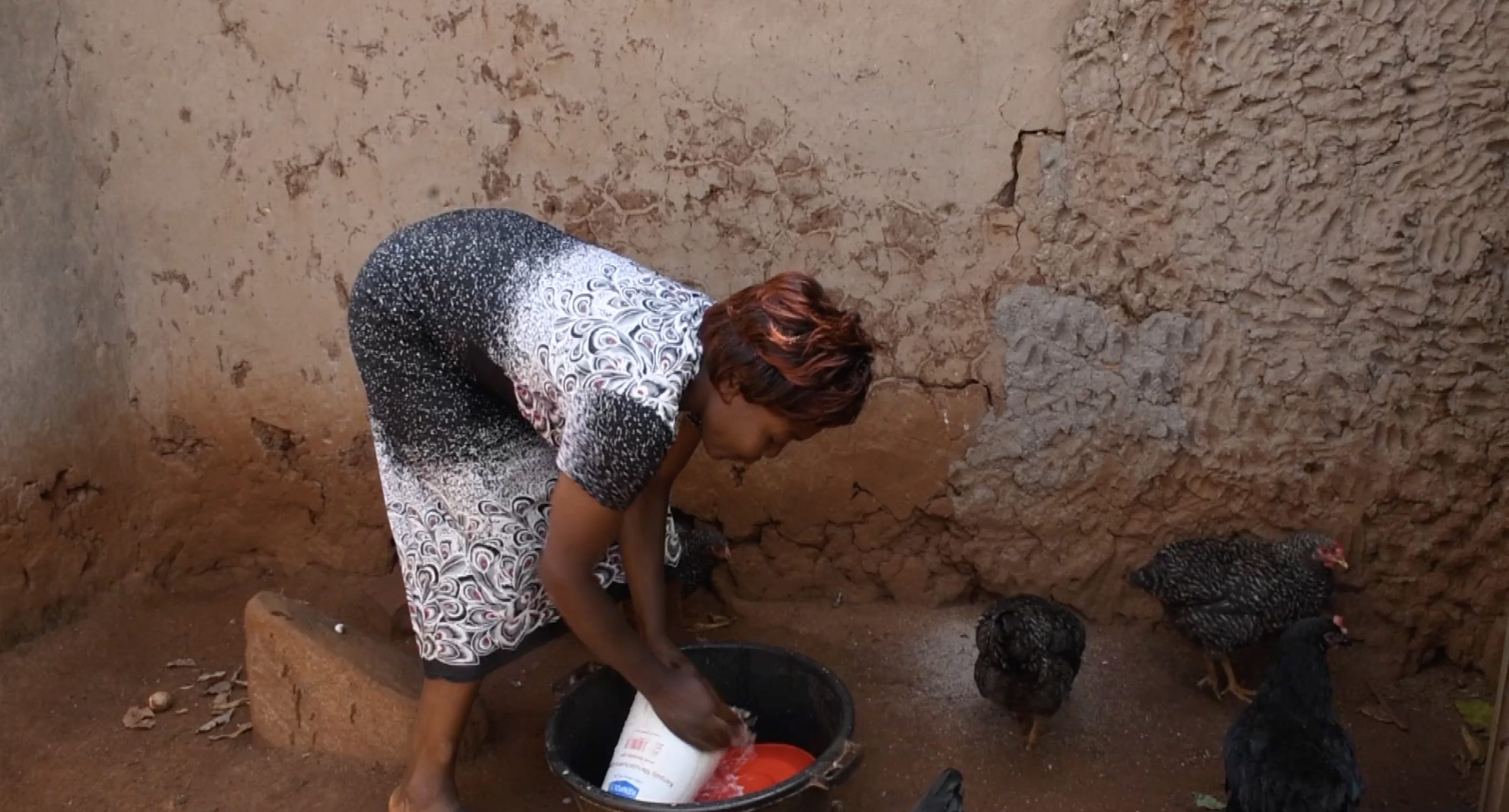
Jackline says that she has received specialized training from Biovision Africa Trust, focusing on agroecological practices tailored to smallholder farmers. This includes techniques for improved chicken health, feed management, and biosecurity to boost hatch rates and productivity.
BvAT’s programs promote sustainable farming, linking farmers like Jackline to markets and resources. She confirms that the training equipped her with knowledge on indigenous breeds’ advantages, such as disease resistance and adaptability to local climates. As a result, her egg production stabilized, and losses from unhatched eggs turned into profitable sales.
“The training empowered me to focus more on poultry farming as a business enterprise. It has had a great impact in my business by transforming my subsistence farming into a viable enterprise that supports family, children’s education and nutrition,” she notes.
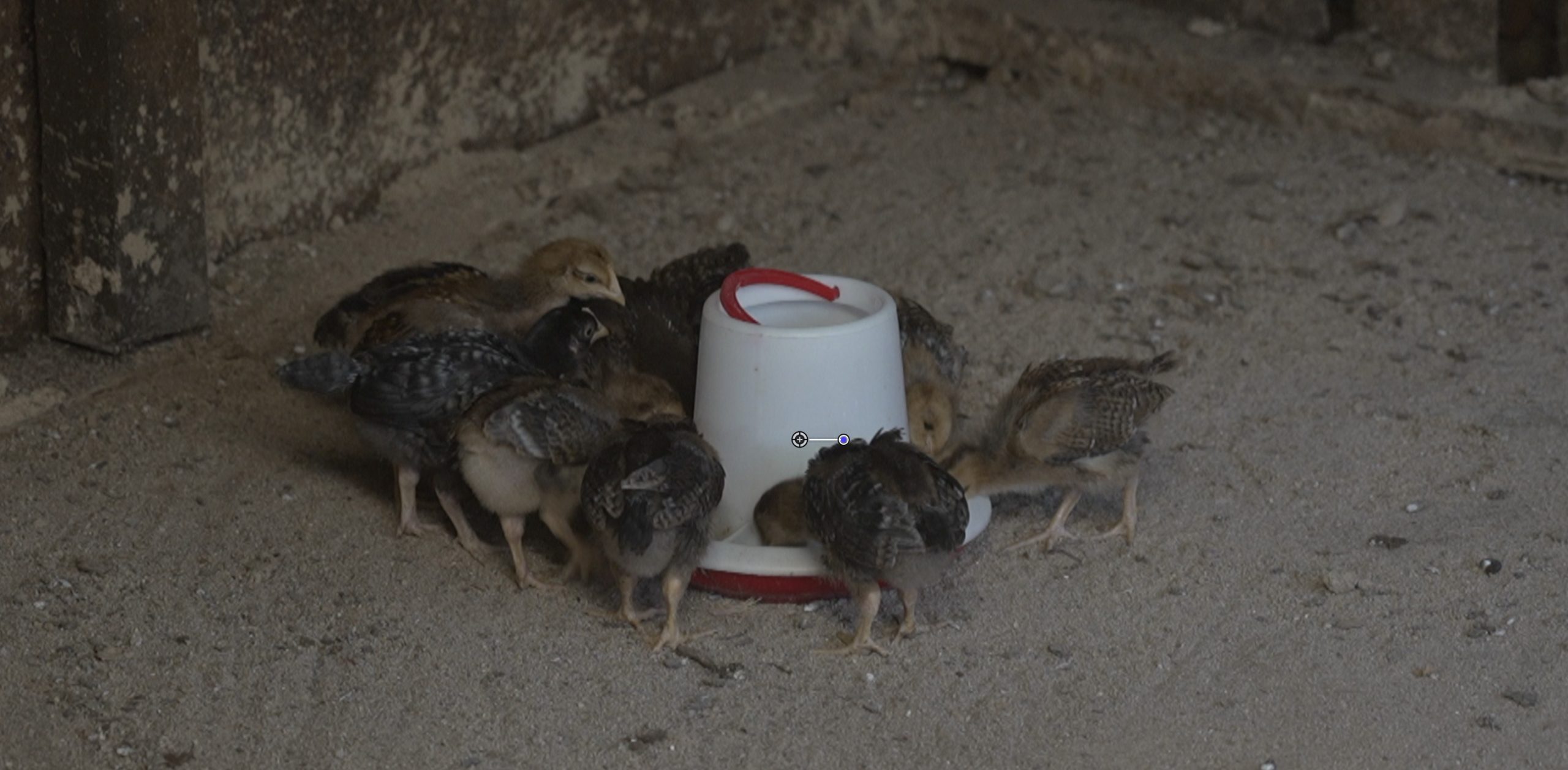
Nearby, in Kakamega county, Vivian has mastered the art of brooding. She knows that a chick’s first few weeks are a matter of life and death. The impact is tangible. Vivian has used her poultry profits to fund an irrigation system for her fruit crops.
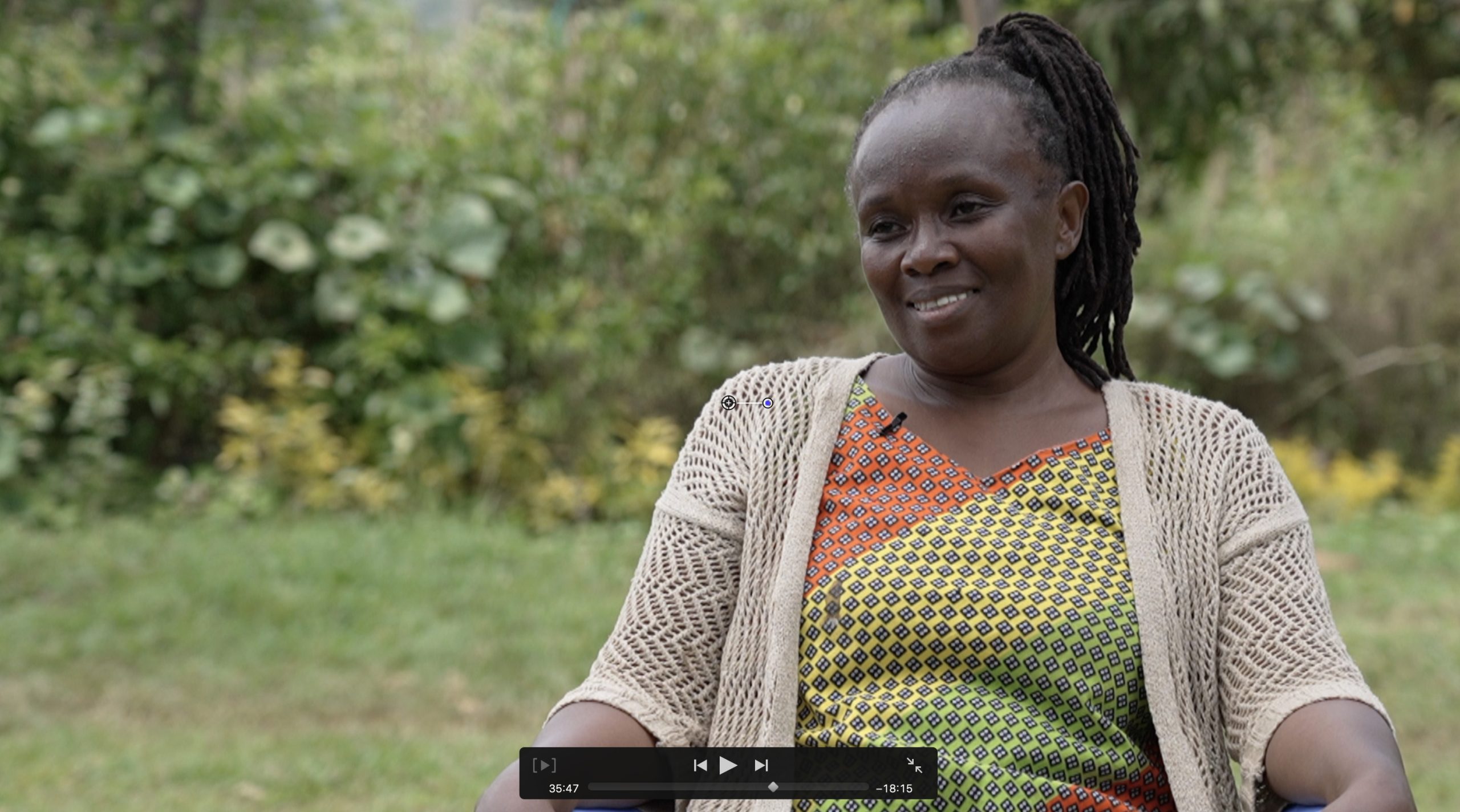
“Overtime, I have come to understand that the first few weeks after the chicks are hatched is very delicate, they are susceptible to a lot of danger including diseases because their immune system is still weak. I ensure they are safe to maximize on the profits when they grow because the money I get has enabled me to develop an irrigation system for my fruits,” she says.
However, Vivian and Jackline mention that the challenges of high feed costs are met with local ingenuity. Here, women have become “scientists of the soil”. To keep their flocks healthy, they use age-old natural remedies. A potent mixture of chili, aloe vera, and garlic is added to the water, a natural antibiotic that wards off respiratory diseases without the heavy price tag of synthetic drugs.
The momentum extends into Nandi county, where we meet Teresa Bii, “I turned to poultry farming when my formal salary could not bridge the gap for my family’s needs,” Teresa admits.
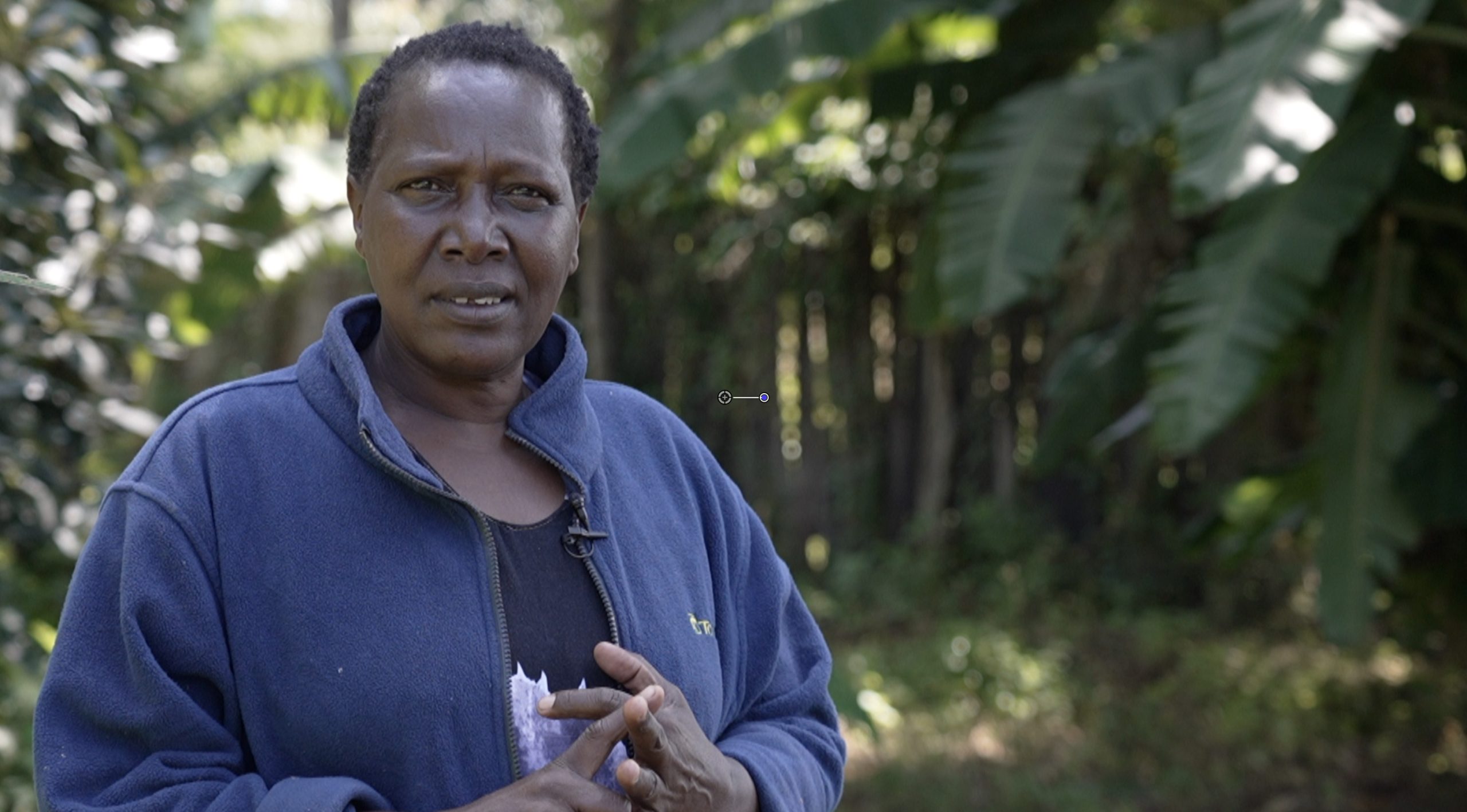
Christopher Rwanda, Farmer Communications and Outreach Manager at Biovision Africa Trust (BvAT), underscores the broader benefits to local poultry farmers. He says, “Indigenous poultry farming builds resilience for smallholders, especially women and youth, by providing quick income cycles and nutritious products.” Rwanda highlights how BvAT’s training integrates agroecology, ensuring environmental sustainability alongside economic gains. He adds that participants learn market linkages, helping them sell to hotels and direct consumers reliably.
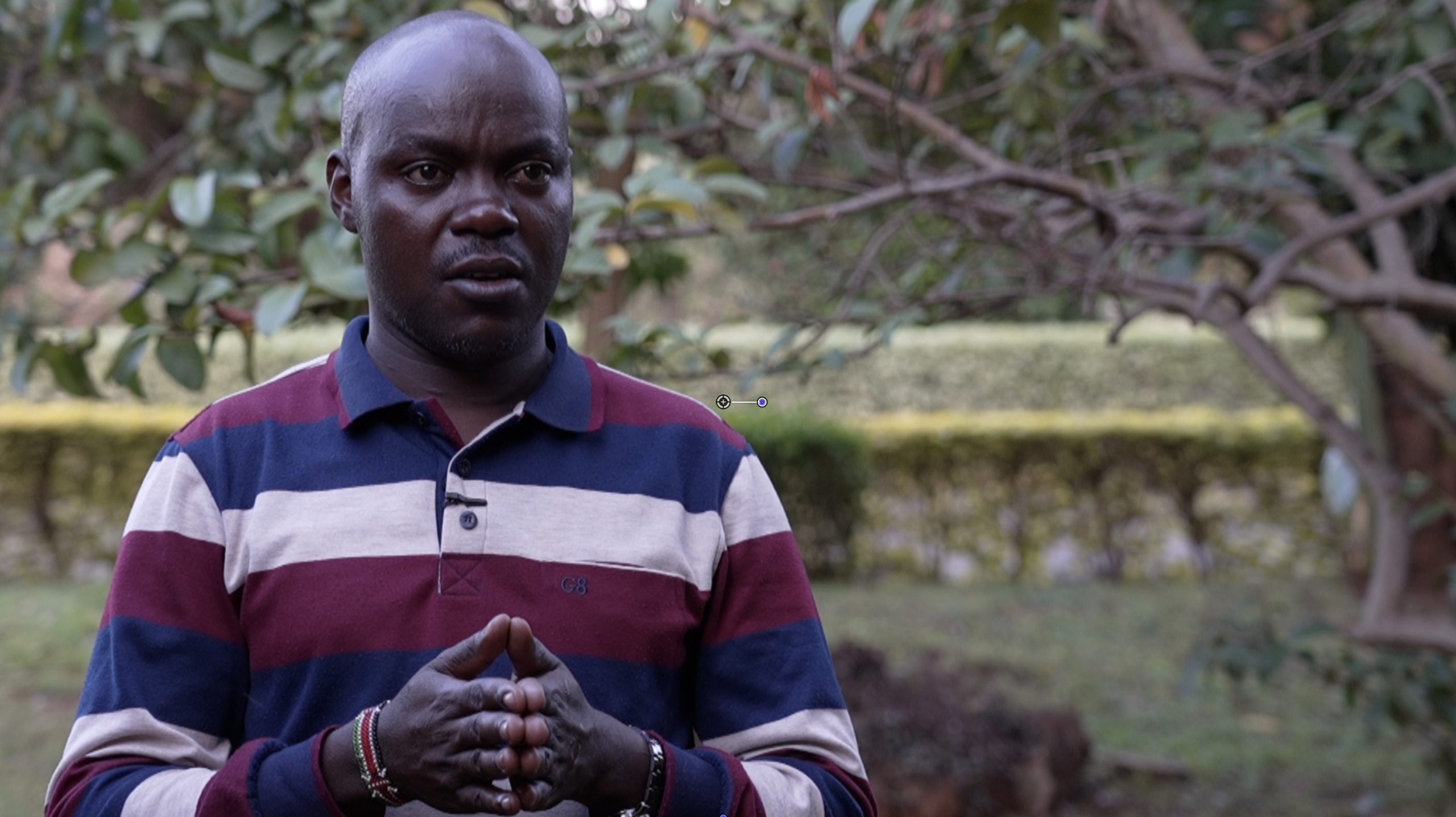
Christopher Rwanda details how indigenous chickens thrive on local feeds, reducing costs compared to exotic breeds. Public health benefits emerge too because eggs provide affordable protein, combating malnutrition in rural households. Rwanda points out that BvAT’s initiatives align with Kenya’s food security goals, promoting diverse diets amid climate variability.
Similar stories have been witnessed regionally as BvAT’s projects in Kitui and Nakuru counties train farmers on livestock integration, echoing Jackline’s model. This approach fosters revolving funds for goats and rabbits, amplifying income streams
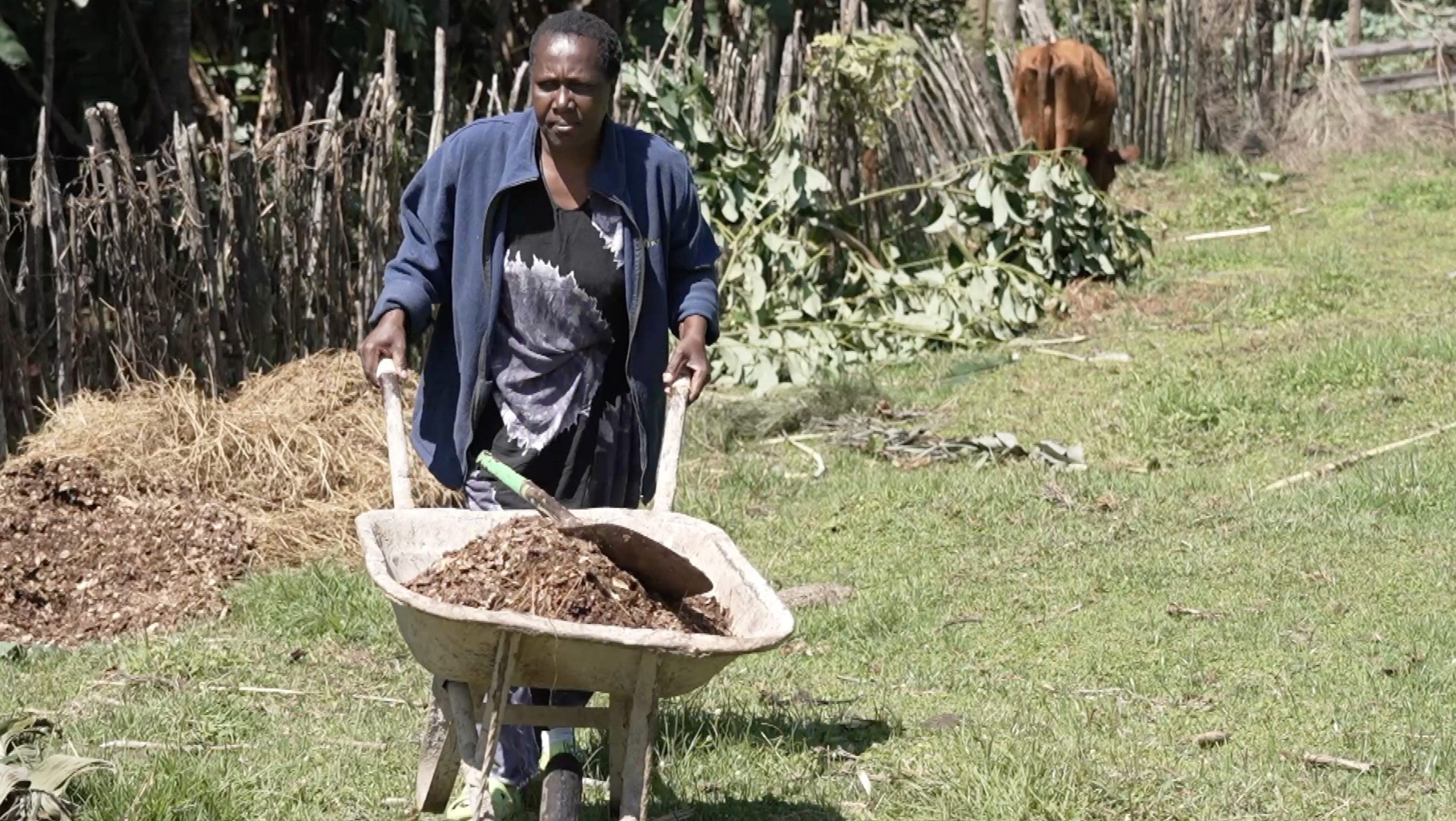
Despite successes, Jackline addresses problems like disease outbreaks and feed scarcity. BvAT’s training teaches vaccination protocols and natural remedies, which Jackline applies daily. “The skills from BvAT have helped me in my business immensely,” she affirms, noting fewer losses post-training.
Climate adaptation features prominently where indigenous breeds withstand Western and North Rift erratic rains better than hybrids. BvAT incorporates agroforestry in training, providing shade and fodder for chickens and cows alike.
Rwanda praises such an ambition, noting BvAT’s mentorship sustains long-term growth. Community-wide, these ventures spur local economies. Eggs reach schools and hotels, boosting nutrition and jobs.
In Western, North Rift and beyond, indigenous poultry proves a lifeline. As Jackline, Teresa, Vivian and BvAT demonstrate, targeted training unlocks potential, turning meat and eggs into capital. This sustainable path offers hope for thousands of smallholders.