
Arabica coffee farming is quietly transforming into a high-tech, multi-generation business in Kiambu County as it blends climate-smart practices and value addition to survive market shocks and unpredictable weather patterns.
Karunguru Coffee Estate, located in Kiambu County, sits on about 244 acres under coffee and was first planted in 1928 now runs as a producer of Arabica coffee and as a model of sustainable agribusiness and agritourism.
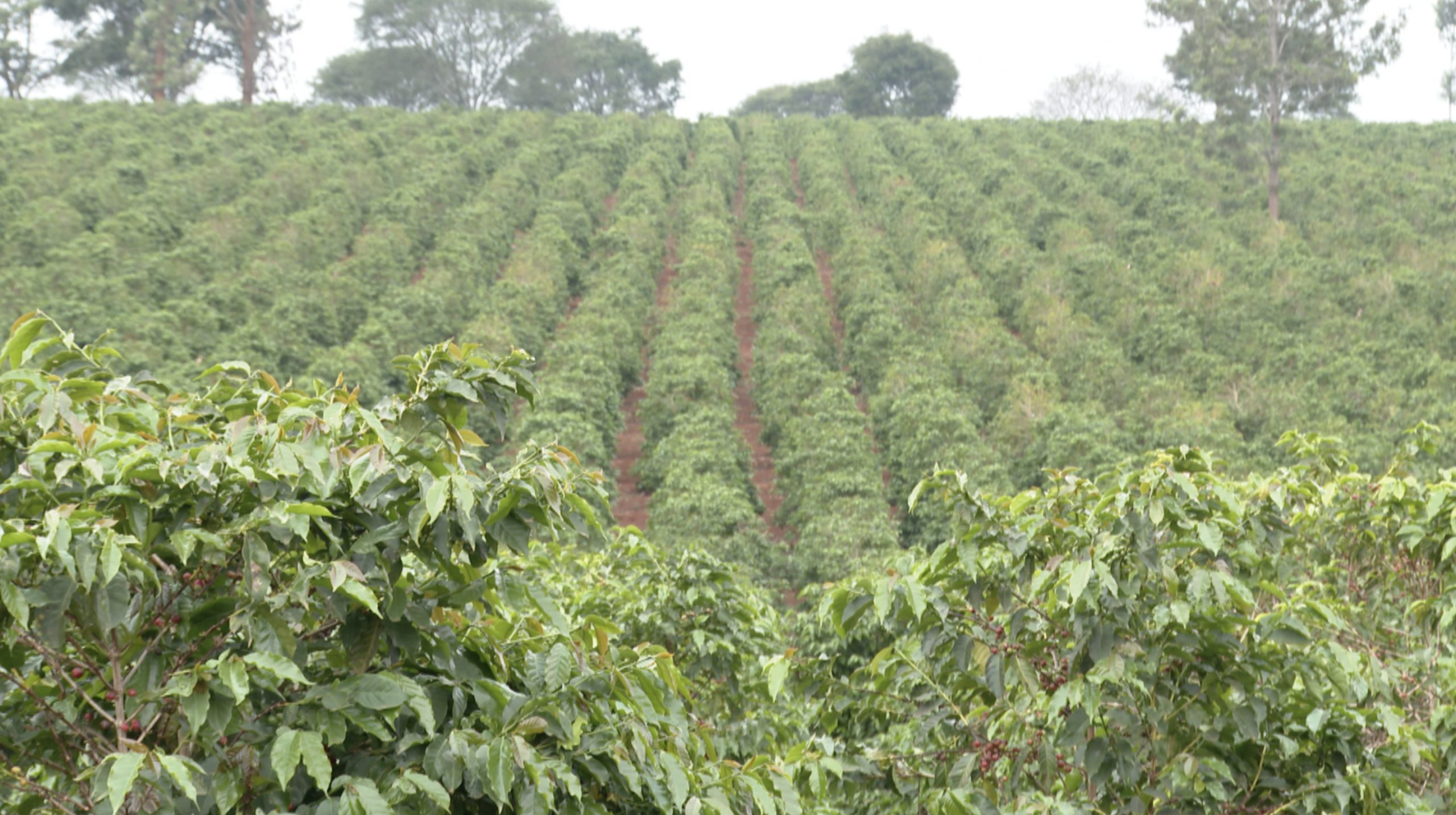
Gitau Karanja, Product Manager says the farm provides a livelihood to hundreds of rural households through employment and seasonal picking work. “This farm provides a source of livelihood for hundreds of rural households,” he explains, noting that coffee remains an “untapped market” in Kenya when properly managed and marketed.
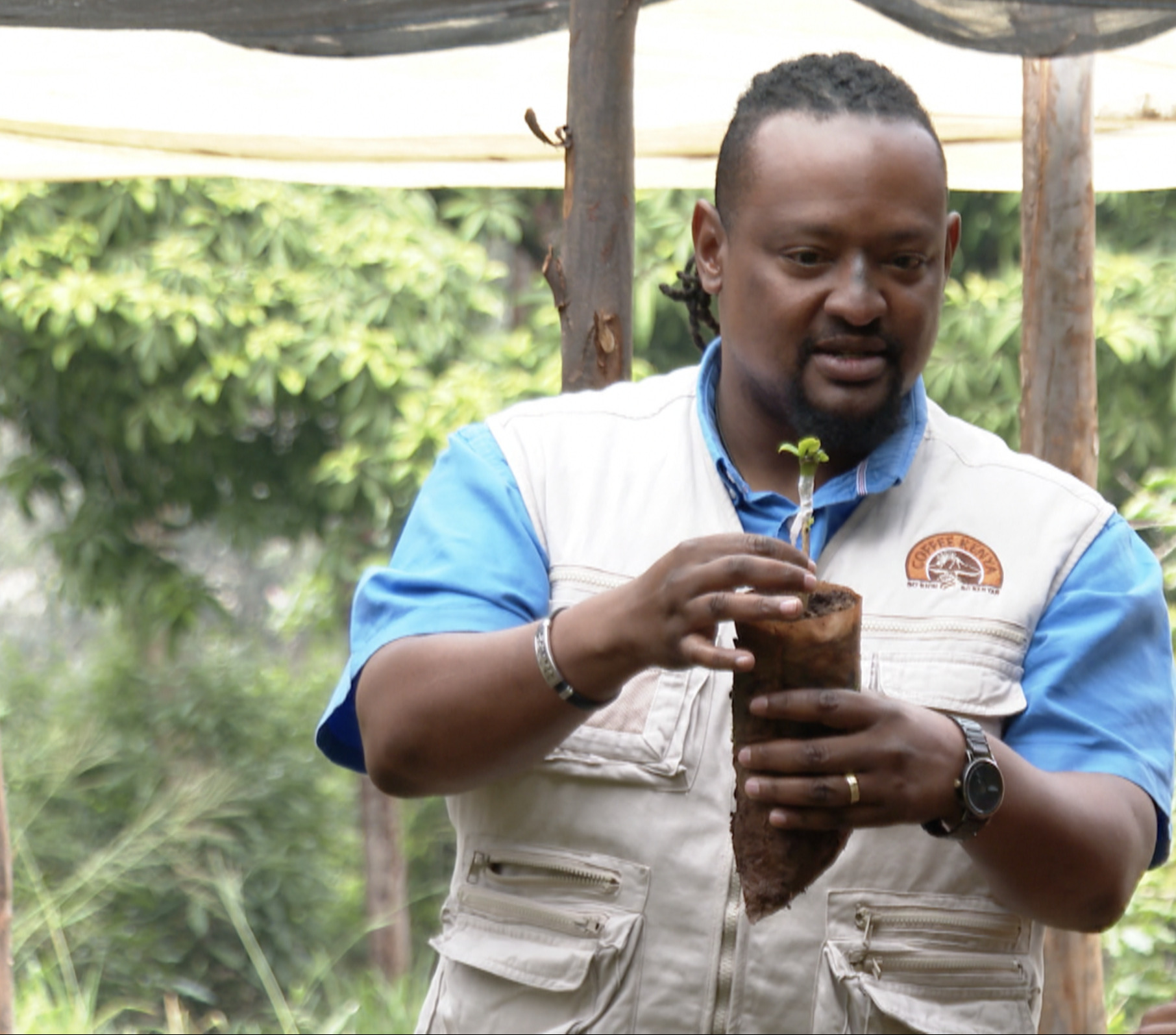
Like many highland farms, Karunguru has had to adapt to changing weather patterns that no longer follow the predictable seasons older farmers relied on. “The weather patterns here are not consistent as they used to be,” Gitau says, adding that the farm had to rethink its coffee varieties to survive longer dry spells and new disease pressures.
The estate previously relied heavily on the traditional SL28 variety, prized globally for cup quality but vulnerable to leaf rust and other diseases that can destroy your farm badly in two weeks if you’re not keen on it. To reduce risk, the farm now uses grafted Ruiru 11, combining SL28 as the deep-rooted rootstock with Ruiru 11 as the scion to build a tree that can better withstand drought and disease.
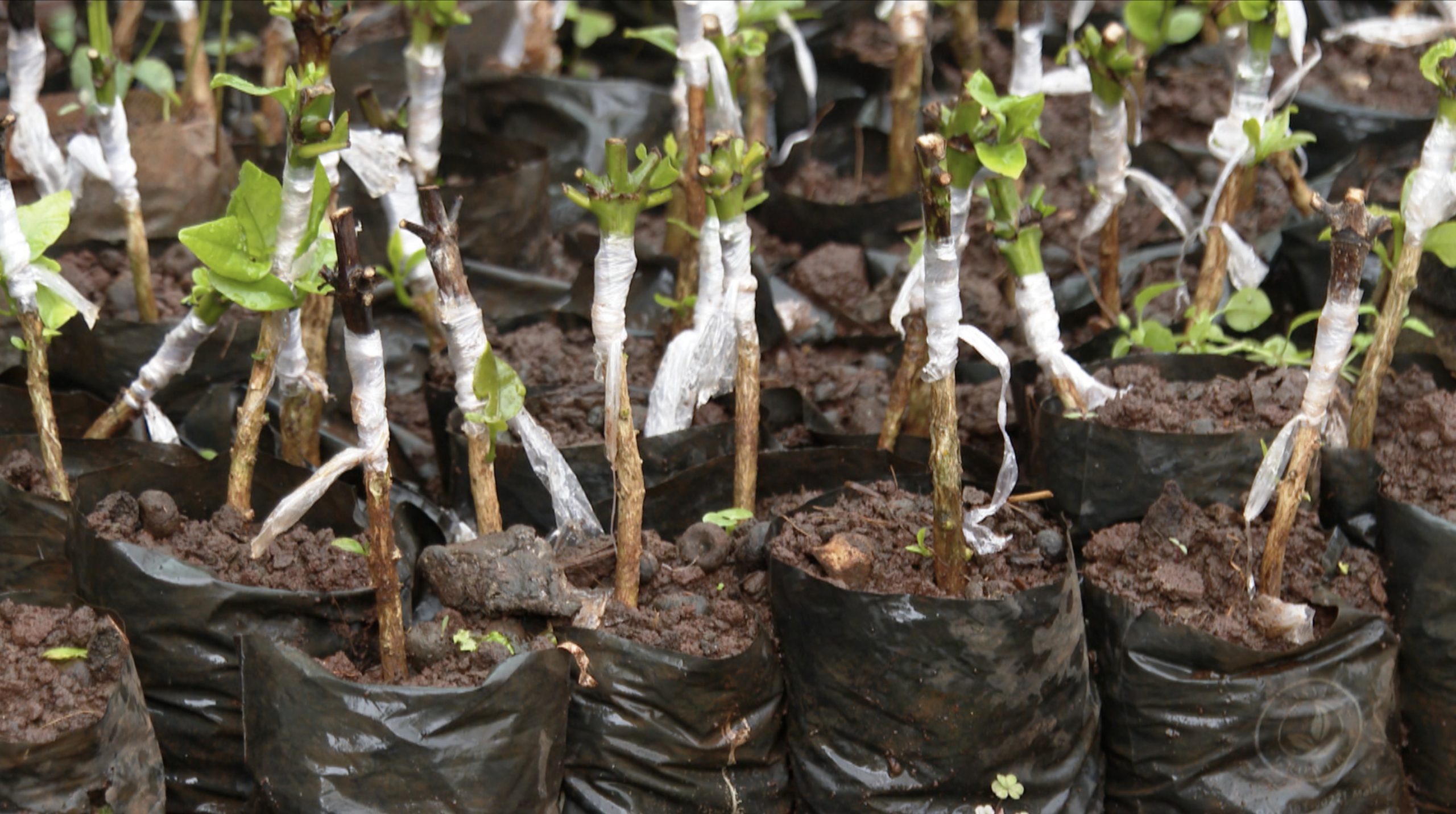
According to Gitau, Ruiru 11 offers higher yields and requires fewer chemical sprays, especially against leaf rust, while still benefiting from the strong root system of SL28. “What you get is the whole grafted Ruiru 1. When leaf rust hits it, it has a tolerance, so you will see a lesion on the leaf, but after three, four days that lesion usually disappears,” he says.
Karunguru groups its coffee blocks by age and applies strict pruning and stem management to keep quality high. Gitau explains that younger trees produce better beans. He says, “In coffee, the younger the tree, the better the quality.”
Each stump carries two to three healthy stems, but by the fourth year one stem is cut back to maintain vigor and control where the cherries develop. When cherries begin to dominate secondary branches as trees age, the farm knows quality is dropping and starts a new five-year cycle by allowing young suckers to grow from the base.
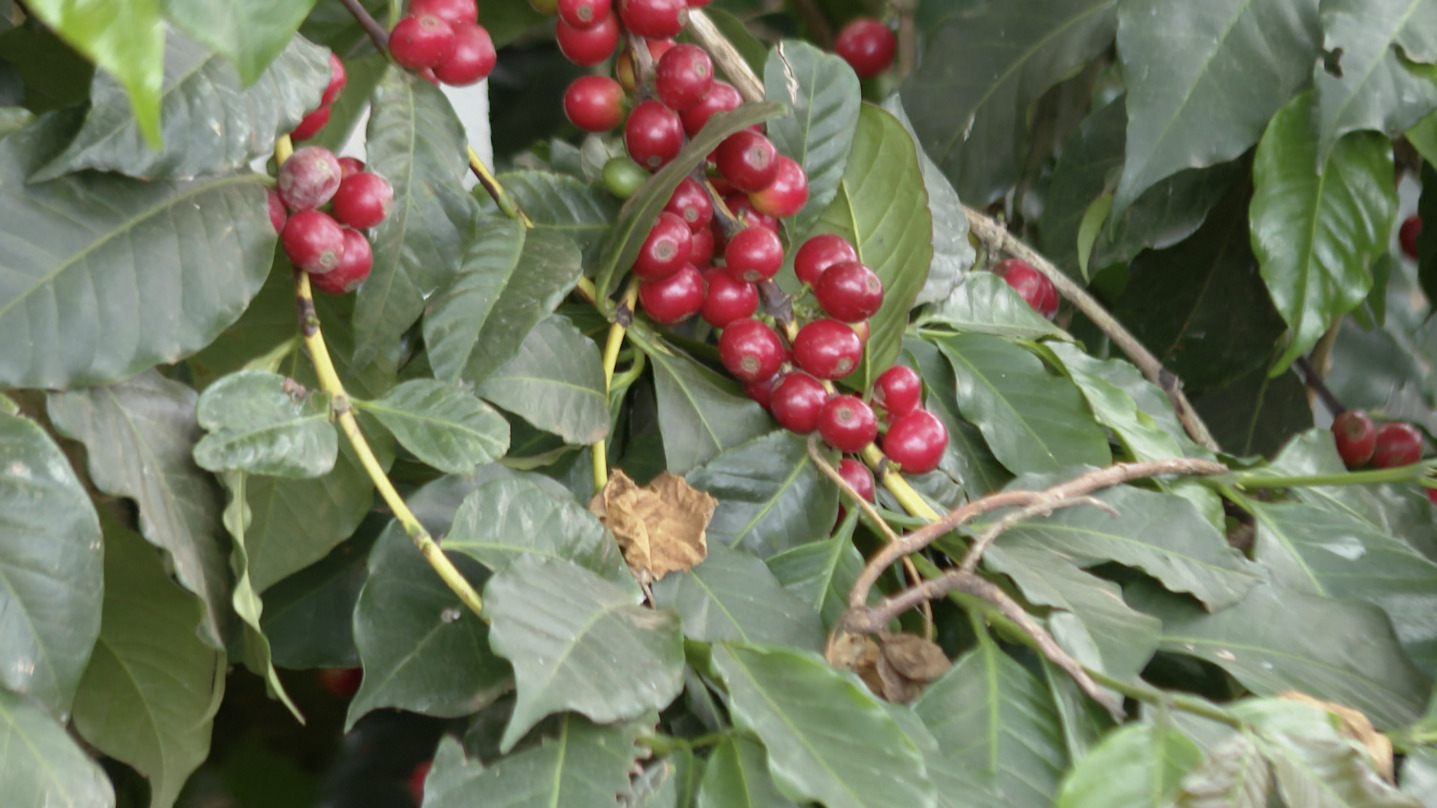
“You have to be on top of your situation. You can’t be following the coffee because once you follow the coffee it will destroy you.” He further warns about pests and diseases that can quickly render a block unproductive.
Despite Kiambu’s reputation for reliable rainfall, Karunguru has had to introduce basin irrigation to cope with recurring droughts. Workers dig basins about four feet long and two feet deep beside each tree, each able to hold roughly 200 liters of water pumped from three on-farm water pans using small pumps.
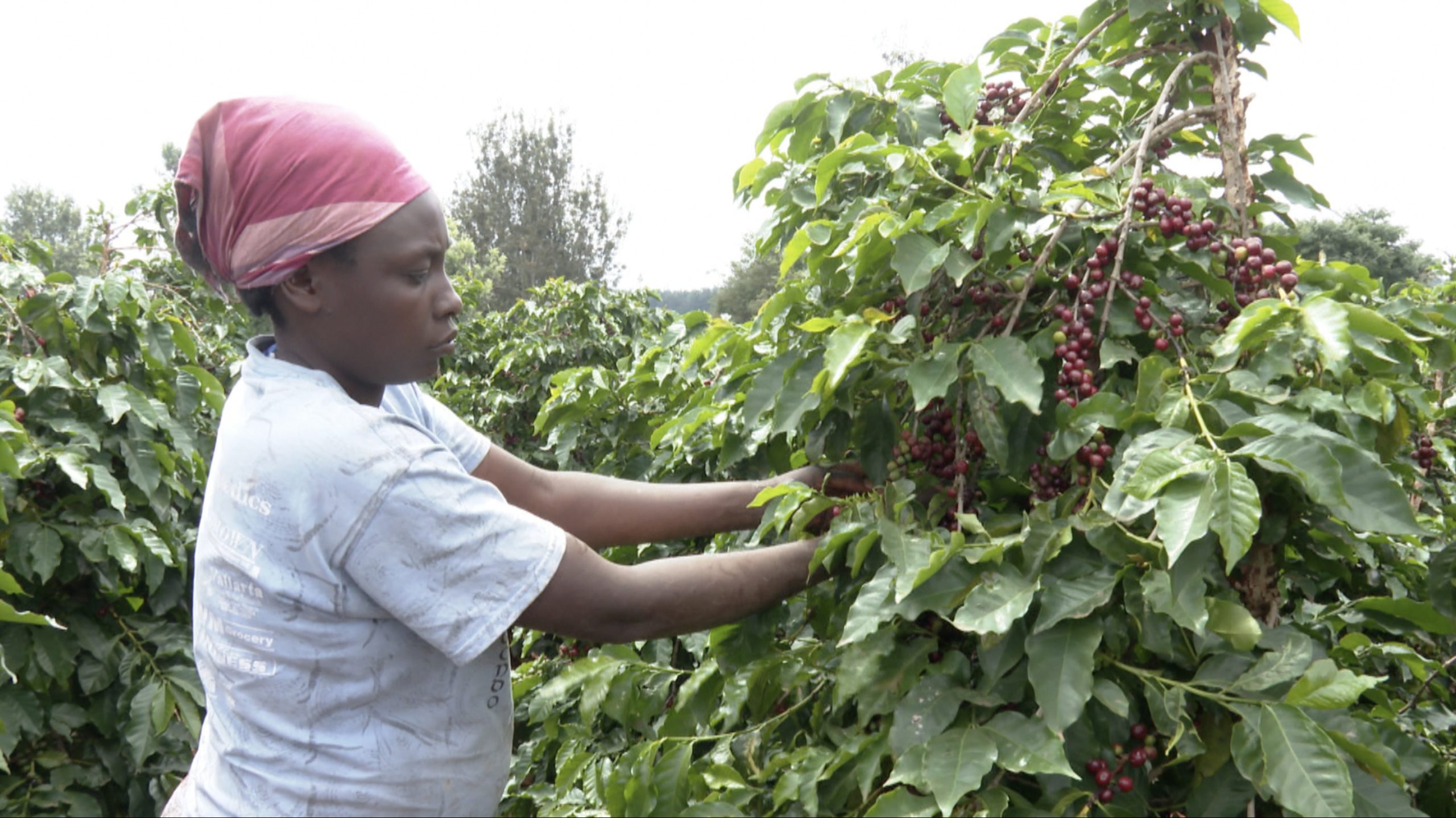
Harvesting is done block by block every 14 days, with pickers instructed to select only fully red cherries to protect quality. At the height of the season, the workforce can swell from about 20 pickers to as many as 200 to keep pace with ripening and avoid overripe cherries that lead to losses. This season, Gathiru says the estate is expecting above 60 tons of coffee, describing the outlook as a bumper harvest.
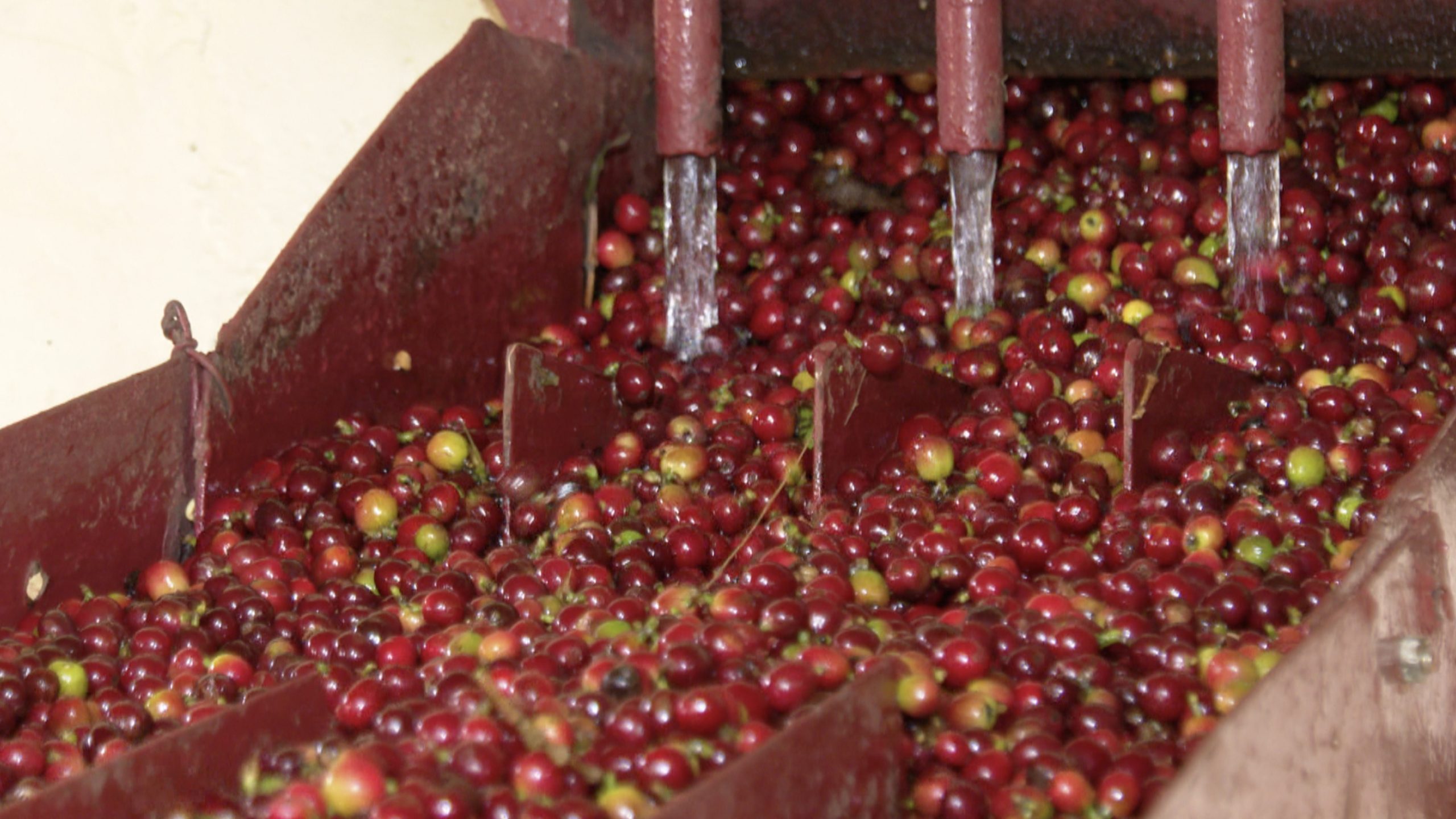
At the factory, Water is used to separate low-quality floating beans from heavier, denser beans before fermentation and density grading sorts the coffee into parchment categories. “In coffee there is no waste; it’s either low quality or high quality,” Gitau notes, adding that anything that floats is automatically considered lower grade.
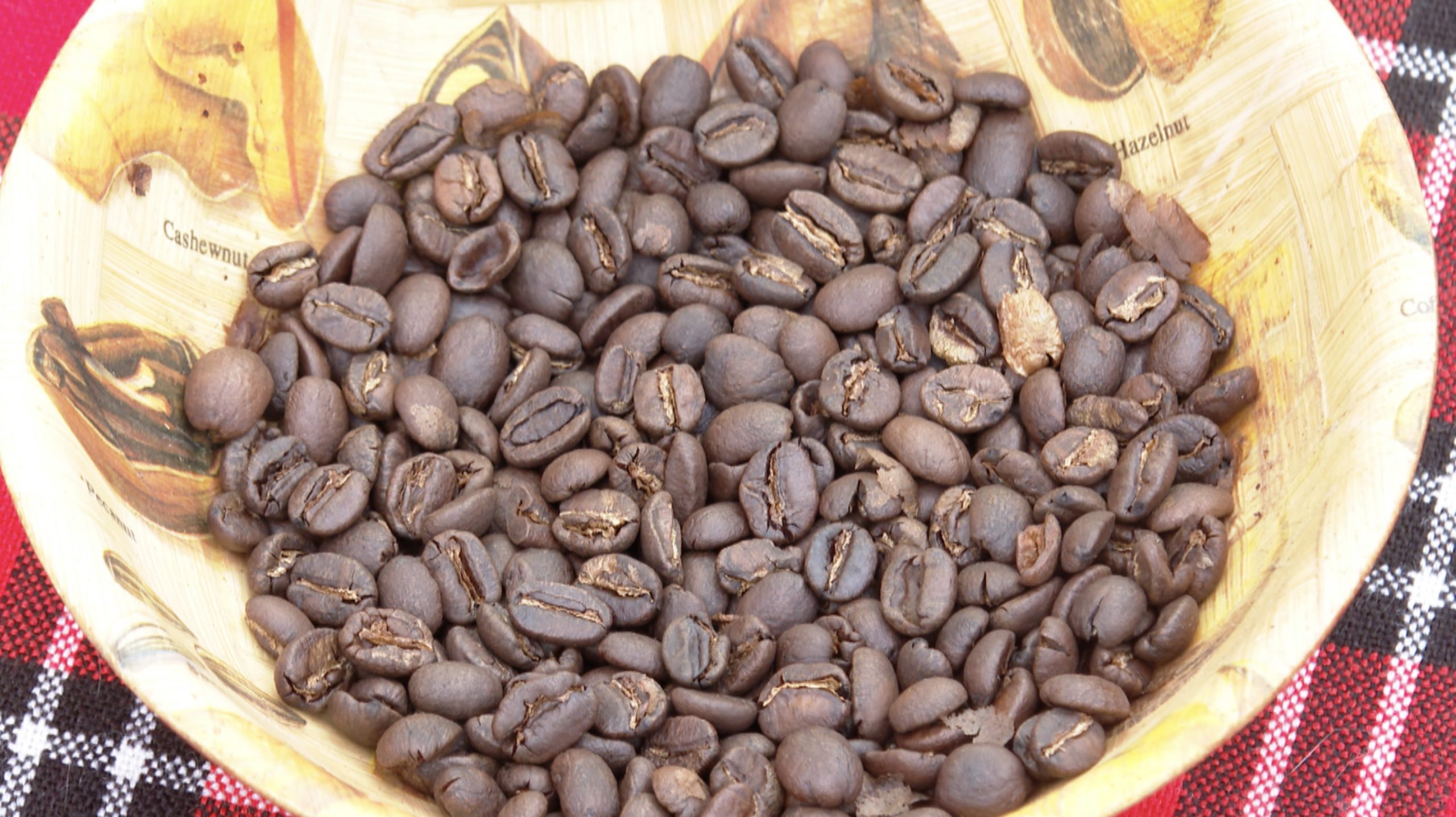
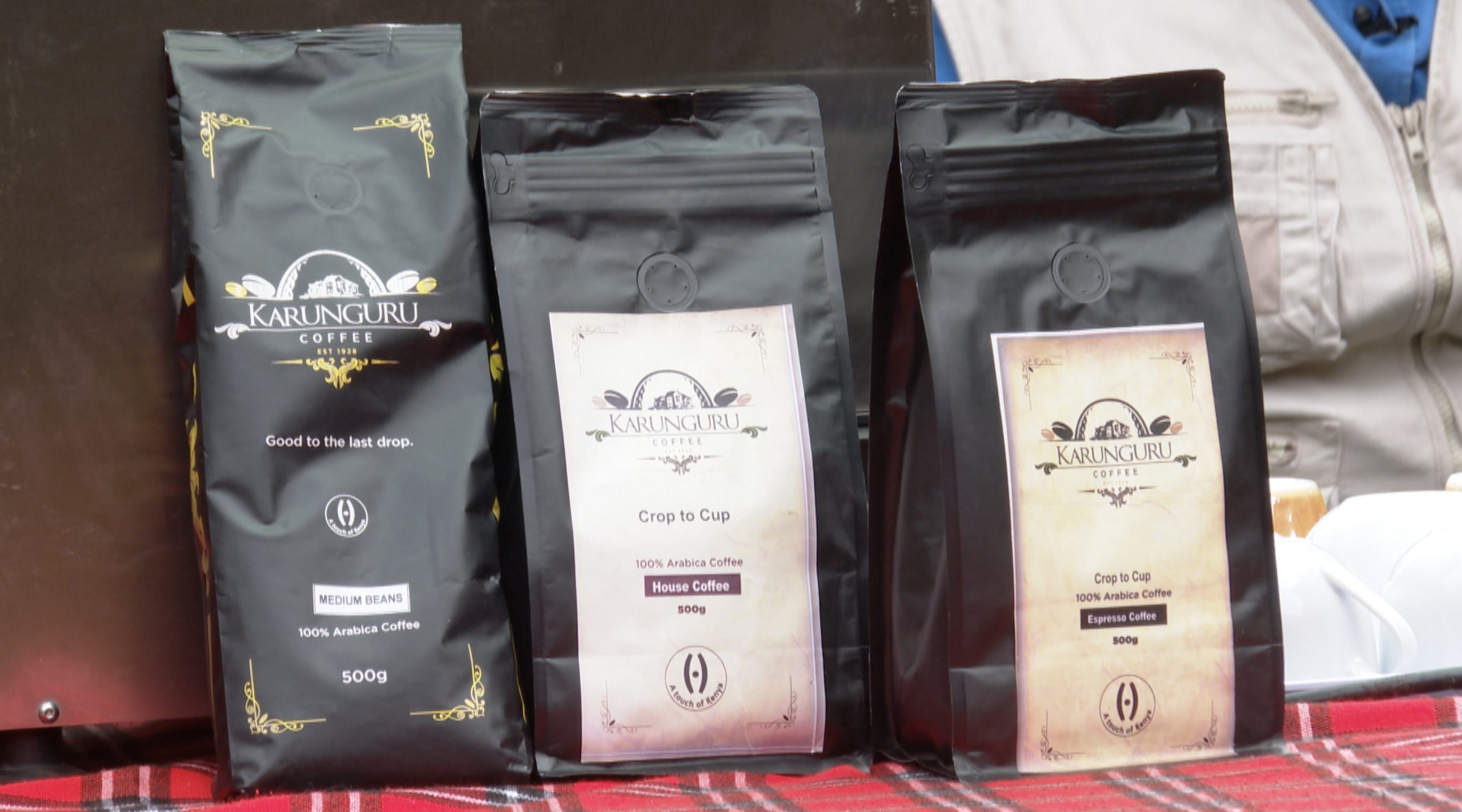
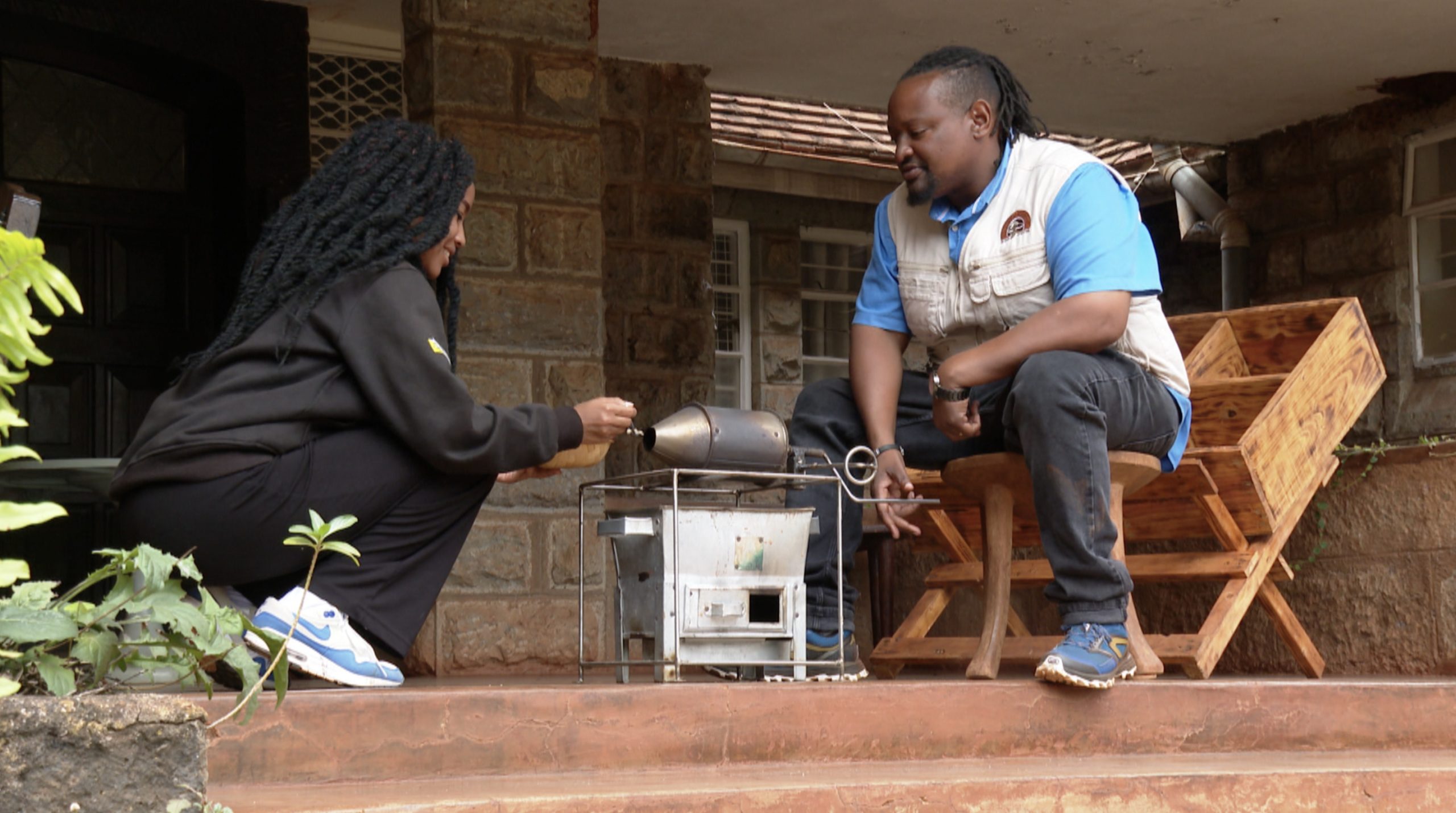
While most Kenyan coffee has historically been exported as bulk green beans, Karunguru has moved aggressively into roasting, branding and direct sales to capture more value. When the family first ventured into roasting in 2016, they struggled to move just 500 kilograms, but today they roast about 10 tons a year for the domestic and international markets.
“At first it was a real hurdle to get people to understand that Kenyan coffee can be drunk as is, but the uptake has been very, very good,” Gitau says as a barista prepares mochas, lattes and a signature mint mocha from Karunguru beans. He argues that value addition is now essential, saying that it makes the difference between 70 bob a kilo and 20 dollars a kilo.
Karunguru also hosts visitors for farm tours and coffee tasting, tapping into agritourism to diversify income and tell the story behind the beans. The estate markets itself as part of a growing specialty coffee scene, targeting boutique cafés and roasters who demand traceable, high-quality lots.

Though he trained as a designer and once worked in interior design, Gitau says “life led me back to this farm,” where he now champions a tech-driven future for coffee. “I would love it if my children could just with a click of a button tell you there’s a disease here, there’s a disease there, so you focus on where the issues are,” he says, calling full digitization “the next progression” for the estate.
Looking ahead, he believes Kenya’s coffee sector will be rebuilt not by chasing mass production but by sharpening focus on niche buyers. “We are a specialty market,” he says, urging farmers who have remained in coffee to work together to find specialty outlets and “sell and package” their own coffee rather than relying only on bulk sales.