
Flowers carry meaning far beyond their beauty, and across societies they speak a rich, unspoken language. They are symbols of love, emotion, tradition, and social value, woven into cultural practices around the world.
In many cultures, each flower tells a distinct story. In Chinese tradition, peonies are associated with wealth, honor, and prosperity. In Western cultures, red roses are widely recognized as symbols of love and beauty, with each color conveying its own subtle message. In Japan, chrysanthemums represent longevity and rejuvenation, while in Hindu culture, marigolds symbolize purity and devotion. Interestingly, marigolds take on a different role in Mexican traditions, where they are believed to guide the spirits of the departed to their altars.
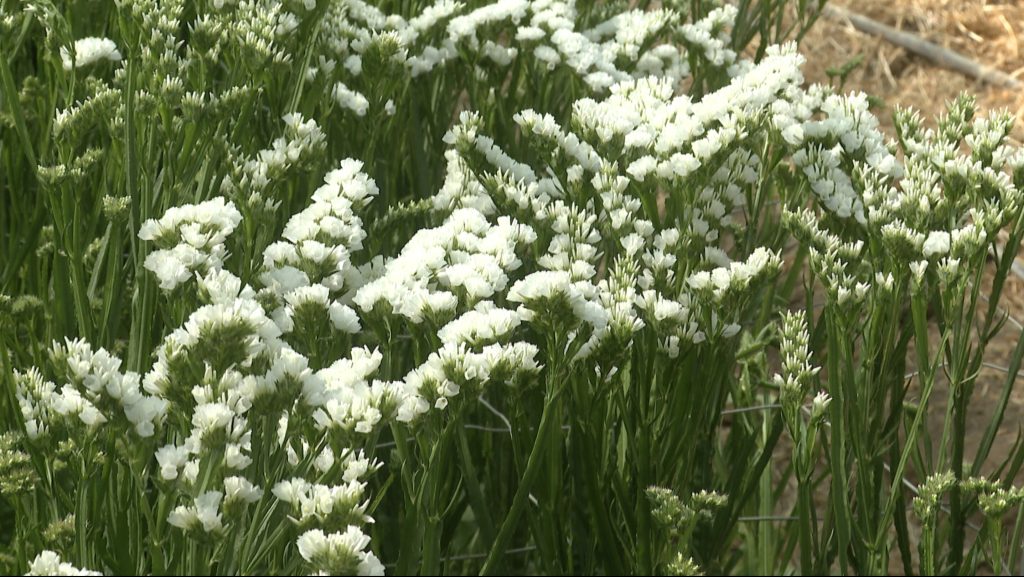
Jasmine is cherished in many Middle Eastern societies, it is often linked to hospitality and grace and is commonly used in perfumes and teas. Despite the different interpretations, one truth remains universally clear, flowers are deeply treasured. Their natural beauty, captivating fragrance, and layered symbolism make them a powerful and timeless medium for communication and expression, quietly conveying what words often cannot.
The flower industry in Africa is growing steadily and becoming an important part of the agricultural sector. East African countries, in particular, have shown strong interest in floriculture, with Kenya and Ethiopia leading flower production on the continent. They are followed by South Africa and Zimbabwe, which also play important roles in regional and global markets.

Kenya is one of the strongest performers in this sector. According to Mordor Intelligence, the Kenyan floriculture market was valued at USD 1.1 billion in 2025. It is expected to grow from USD 1.15 billion in 2026 to USD 1.46 billion by 2031, with an annual growth rate of 4.84 percent during the 20260-2031 period. The subsector contributes at least 1.25% to the national GDP, while flower exports account for nearly 1% of the country’s total export value. These figures highlight more than market performance; they point to a sector full of opportunity. From employment creation to foreign exchange earnings, floriculture continues to shape Africa’s agricultural future, proving that flowers are not only symbols of beauty but also drivers of economic growth.
Along the shores of Lake Naivasha in Nakuru County lies one of Kenya’s most respected flower-growing regions. The area is home to Interplant Roses, a leading rose breeding company known for innovation and high-quality varieties. The family-owned business has spent decades breeding roses, with a clear goal, to create unique, resilient flowers that elevate floral arrangements around the world.

During a visit to the farm, Jürgen (Jay) Ilsink, the Growth Manager at Interplant Roses, offers insight into the art and science behind rose breeding. Rose breeding is about creating something new, he explains. New colors, new shapes, better production, and flowers that last longer. He notes that Kenya, Ethiopia, Colombia, Ecuador, and China are currently the world’s main rose producing regions.

According to Jay, the breeding process is both careful and time intensive. “We remove pollen and cross one variety with another to create unique seeds,” he says. The process begins with crossing and seed germination, followed by selection based on strict criteria such as stem length, leaf color, flower size, and shape. This first phase takes about two years. After initial testing in the Netherlands, more than 6,000 varieties are sent to Kenya, where they undergo further trials in Interplant’s greenhouses.
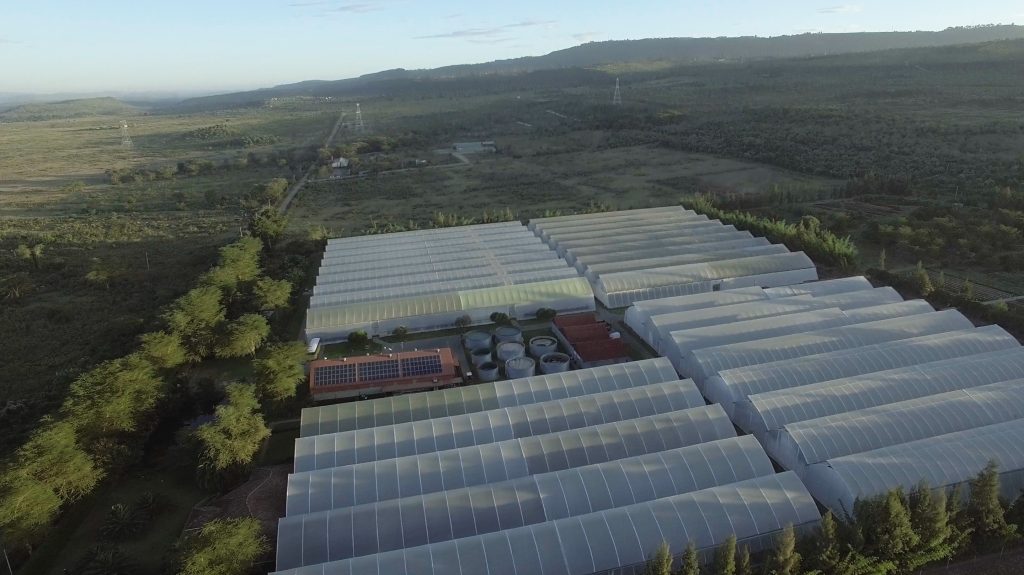
Only the strongest varieties, those best suited to the local climate, are selected, a process that takes another two to three years. After that, Jay adds, “we move into semi-commercial trials. We show the flowers to growers, and if they perform well on their farms, they are commercialized. From the first cross to full commercial use, a rose variety can take seven to eight years before it is replaced.”
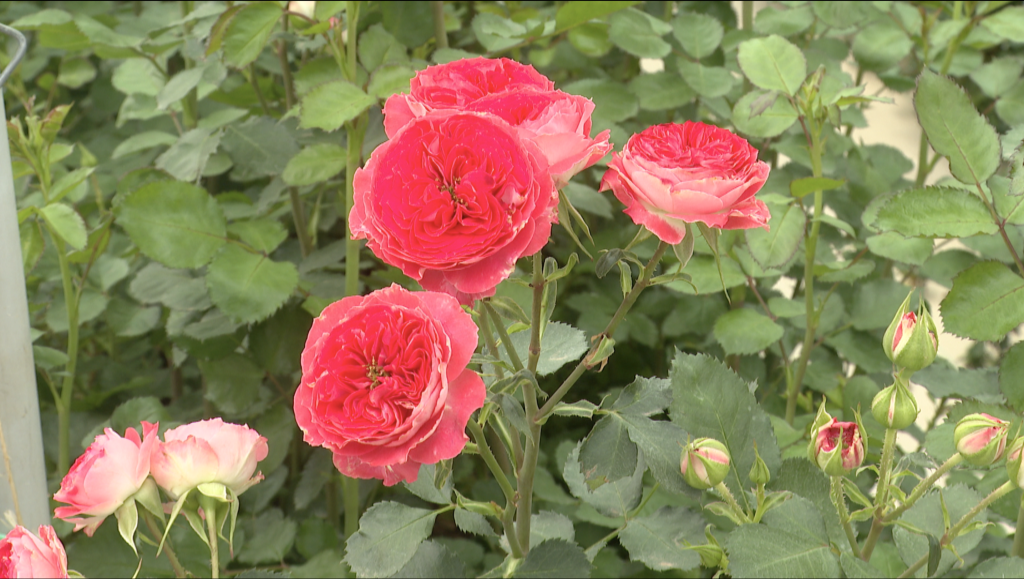
Interplant’s core business is creating new flower varieties, which are protected through intellectual property rights and later sold to growers. Kenya plays a central role in this process. With its stable climate, reliable sunlight, and favorable temperatures, the country is ideal for rose breeding. Jay estimates that Kenya has approximately 4,500 hectares of rose farms spread across regions such as Naivasha, Nakuru, Nanyuki, Timau, Thika, Isinya, Eldoret, and Mount Elgon.
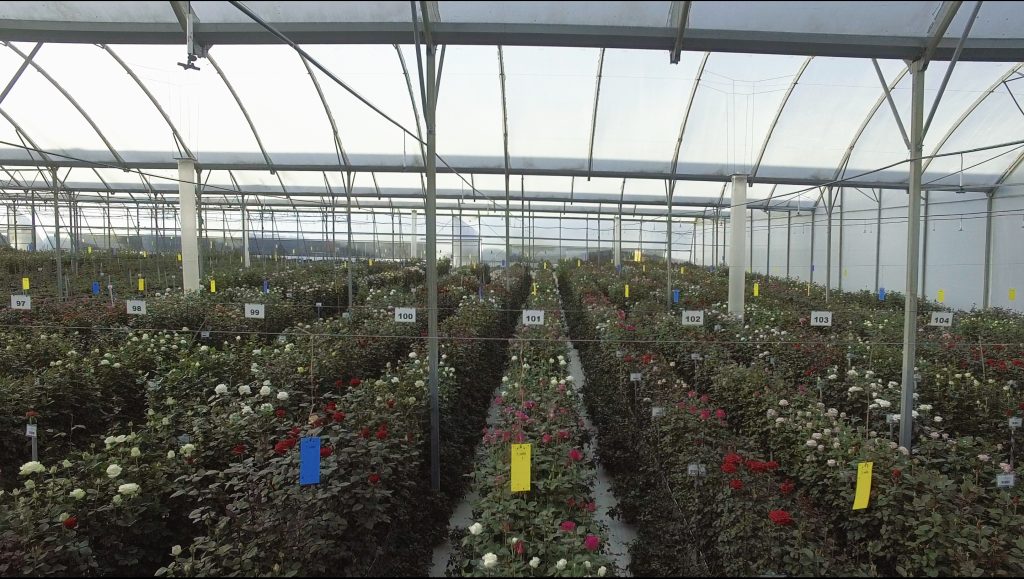
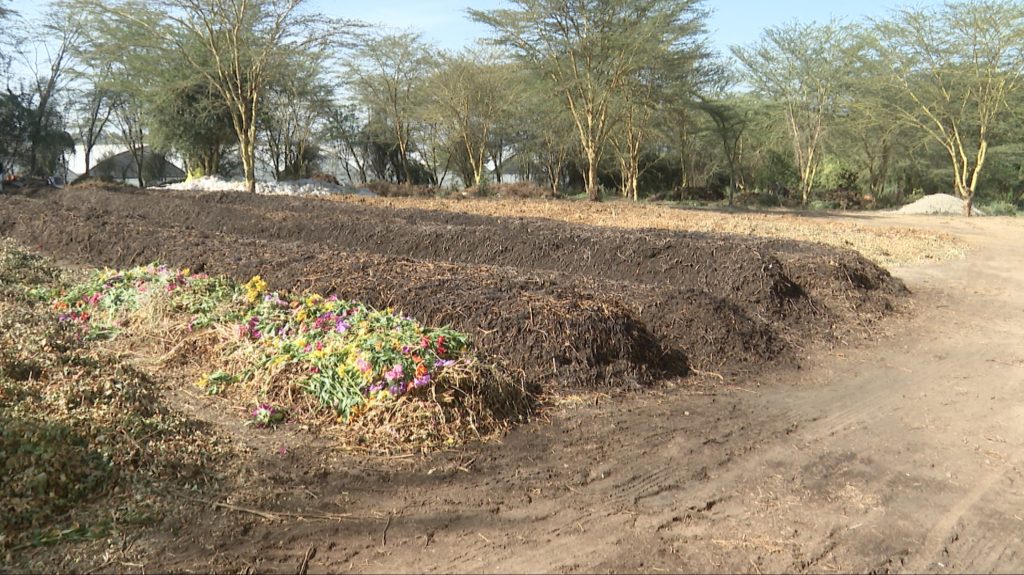
Sustainability is also a priority. Interplant uses biological pest control to meet EU export standards. “We use sticky traps to identify insects, then introduce natural predators,” Jay explains. “The farm also composts plant and flower waste, which is reused for outdoor crops,” he adds.
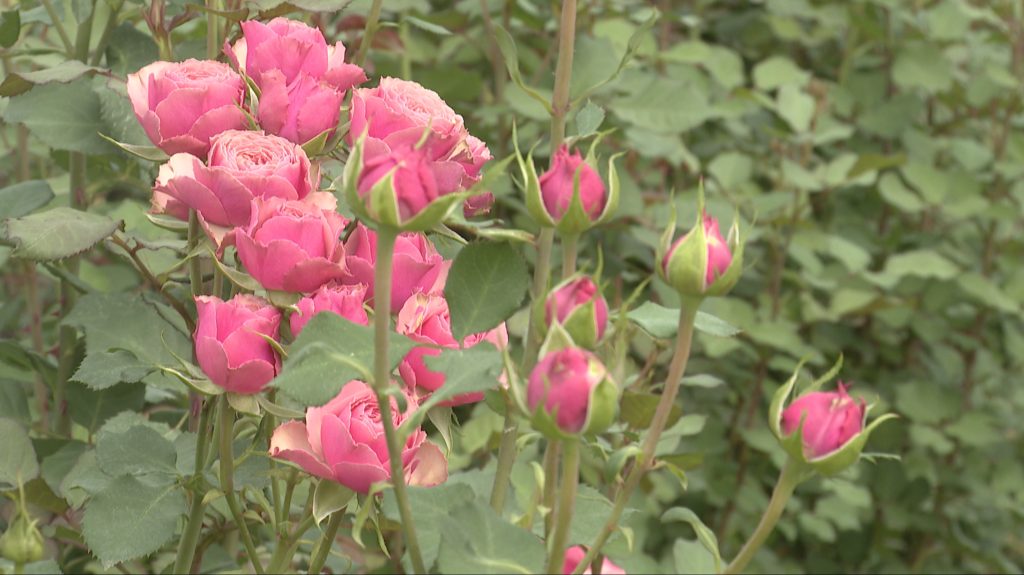
Globally, peak demand for roses occurs around Valentine’s Day, Mother’s Day, and Women’s Day. “Two weeks before Valentine’s, growers are extremely busy,” Jay says. Kenya is also the world’s largest producer of spray roses, one of Interplant’s key products. In addition, the company represents selected European flower firms like Kolster flowers and Royal van Zanten, helping them enter the East African market.
Looking ahead, Jay believes innovation and sustainability will define the future. “Flowers are delicate, they need people,” he says. While automation remains limited, he expects more sustainable practices and increased sea freight in the coming years. “In the next five years,” he concludes, “sustainability will be the industry’s main focus.”
The floriculture story is not only about markets, innovation, or production figures, it is also about emotion and purpose. Within Africa’s broader agricultural landscape, flowers stand out as a sector that blends economic value with human connection.
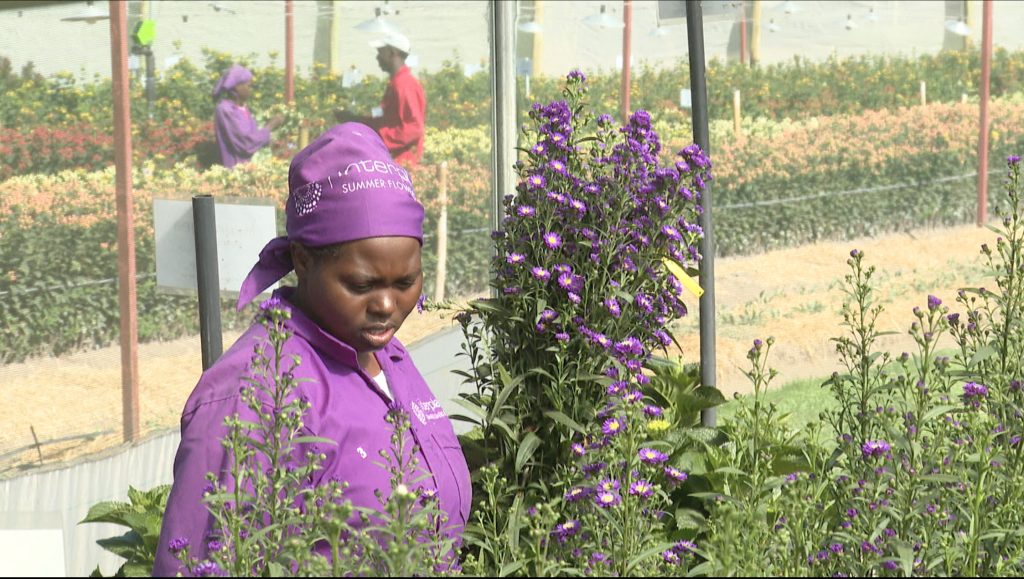
As Valentine’s Day approaches in just a few days, the work taking place across African farms and greenhouses in countries like Kenya, gains added meaning. Behind every rose shared is the effort of breeders like interplant roses, farmers, and workers who turn agriculture into an expression of care and love. In this season of affection, Africa’s agriculture reminds us that the continent does not only feed the world, it also helps it celebrate love.