
Moringa Oleifera, widely known as the “miracle tree,” is a fast-growing and drought-resistant shrub well suited to arid and semi-arid regions. Its ability to thrive under harsh conditions makes it valuable for both rural households and commercial agriculture.
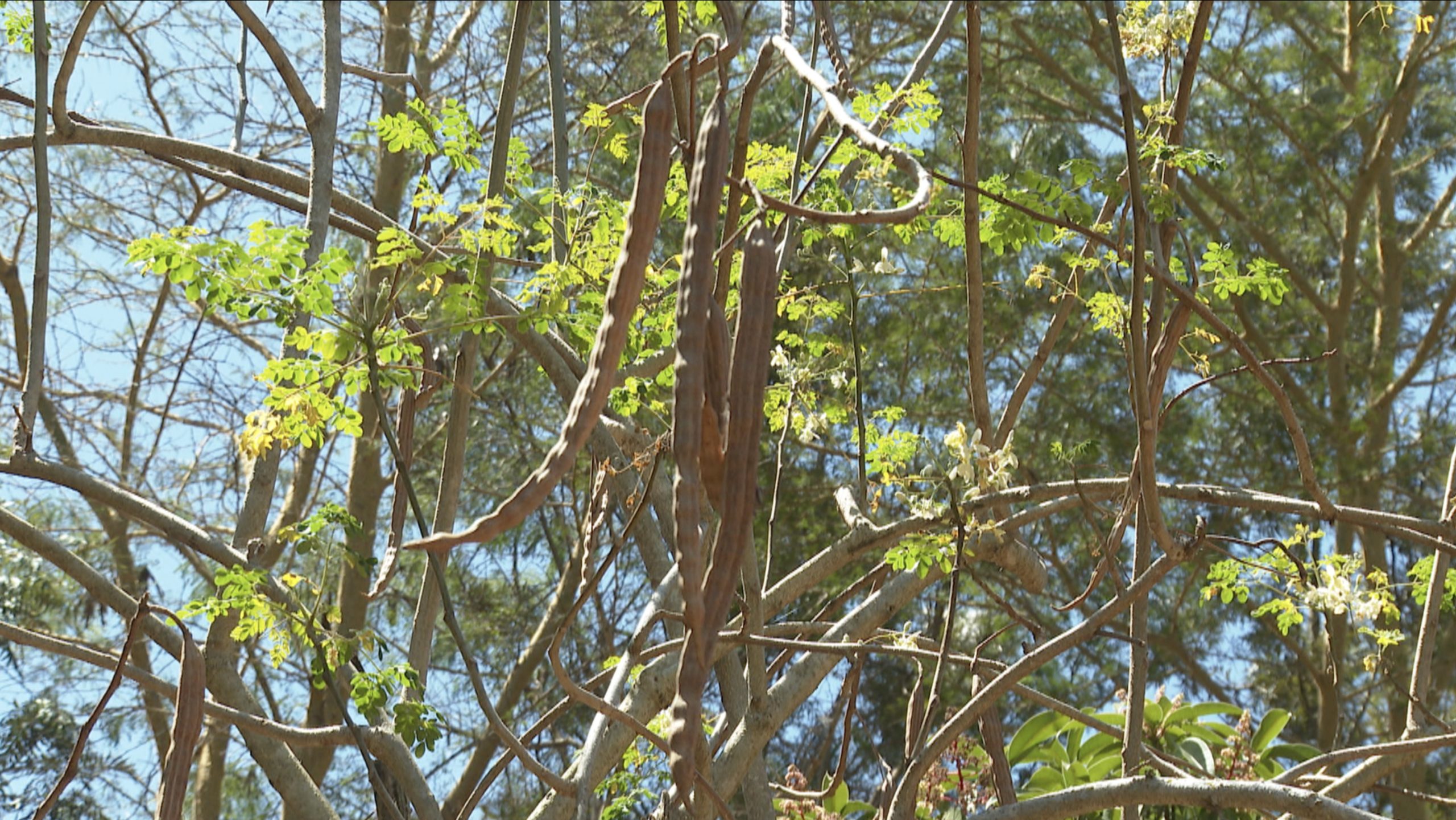
Almost every part of the tree is useful. The leaves, pods, flowers, and roots are edible and contain notable nutritional and medicinal properties. The leaves are particularly rich in vitamins A, C, and E, which support immunity and are beneficial for pregnant and nursing women as well as young children. Moringa also provides essential minerals such as calcium and potassium, in addition to plant-based proteins that contribute to balanced diets.
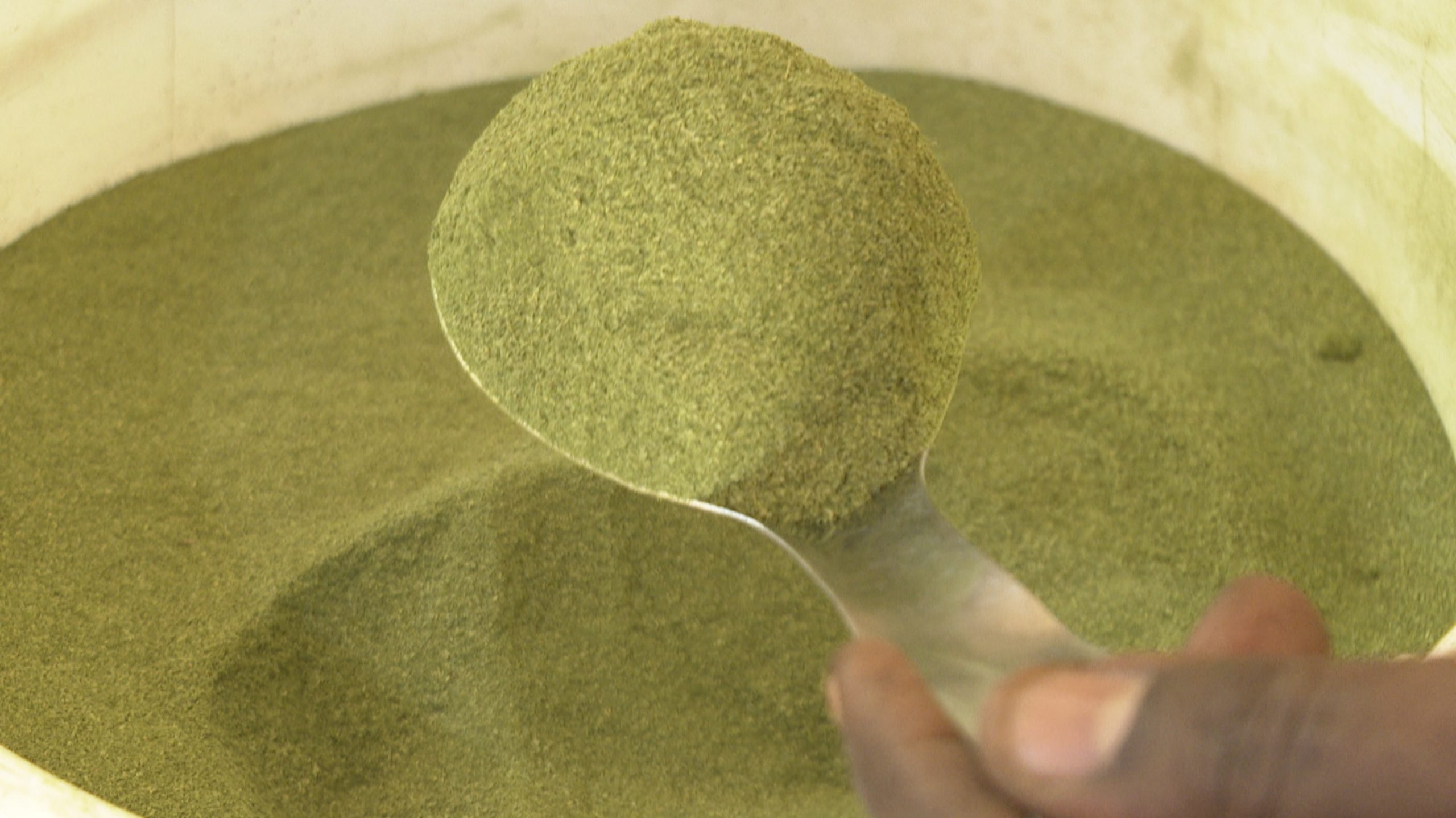
Beyond its nutritional benefits, moringa has broad culinary applications. Fresh leaves, pods, and flowers can be prepared in soups, salads, and stews, while dried leaves are processed into powder and added to porridge, smoothies, and baked products to enhance nutrient intake.
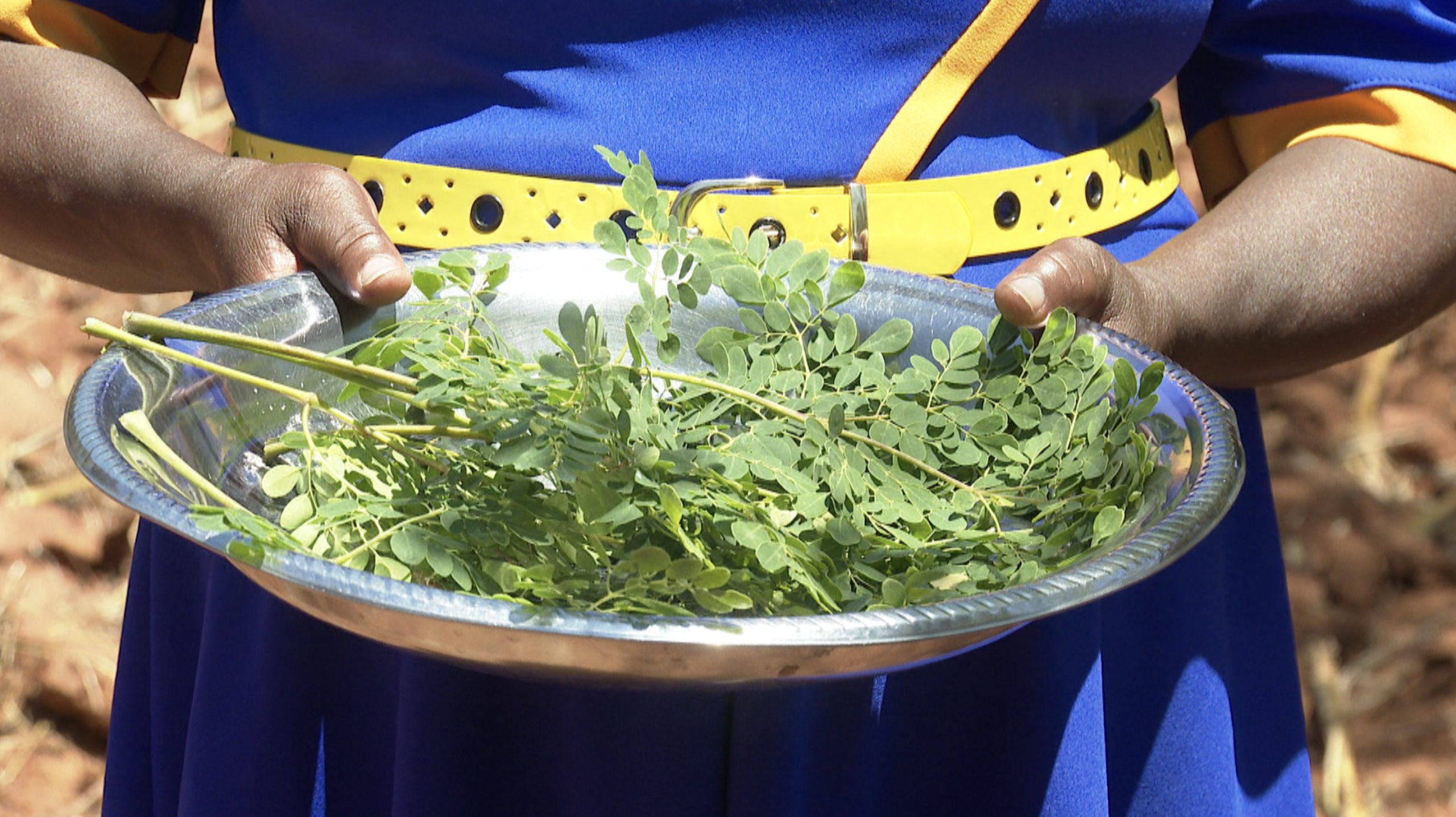
At Mbumbuni in Machakos County, the Drylands Natural Resources Centre (DNRC) is championing the cultivation of Moringa oleifera as a resilient and profitable crop for farmers in arid and semi-arid areas. The Centre’s Chief Executive Officer and Founder, Nicholas Mutuku Syano, says moringa is among the key seedlings propagated in their nursery and supplied to farmers due to its environmental, social, and economic benefits.
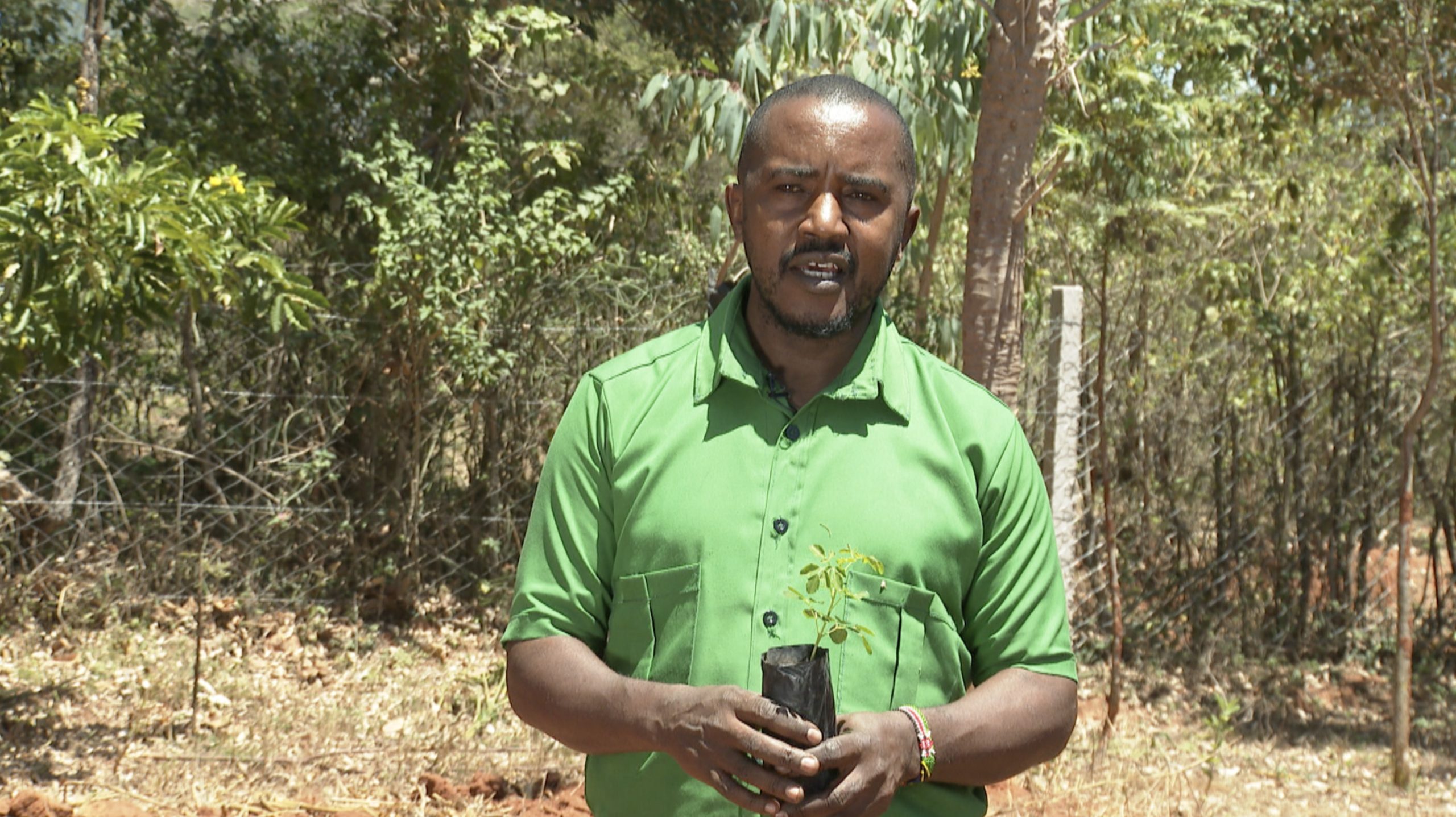
Seedlings are raised for about three months before transplanting. Mr. Syano notes that farmers can begin harvesting leaves within six months, while seed production for oil extraction starts after two to three years. He emphasizes that moringa adapts well to dry conditions and various soil types.
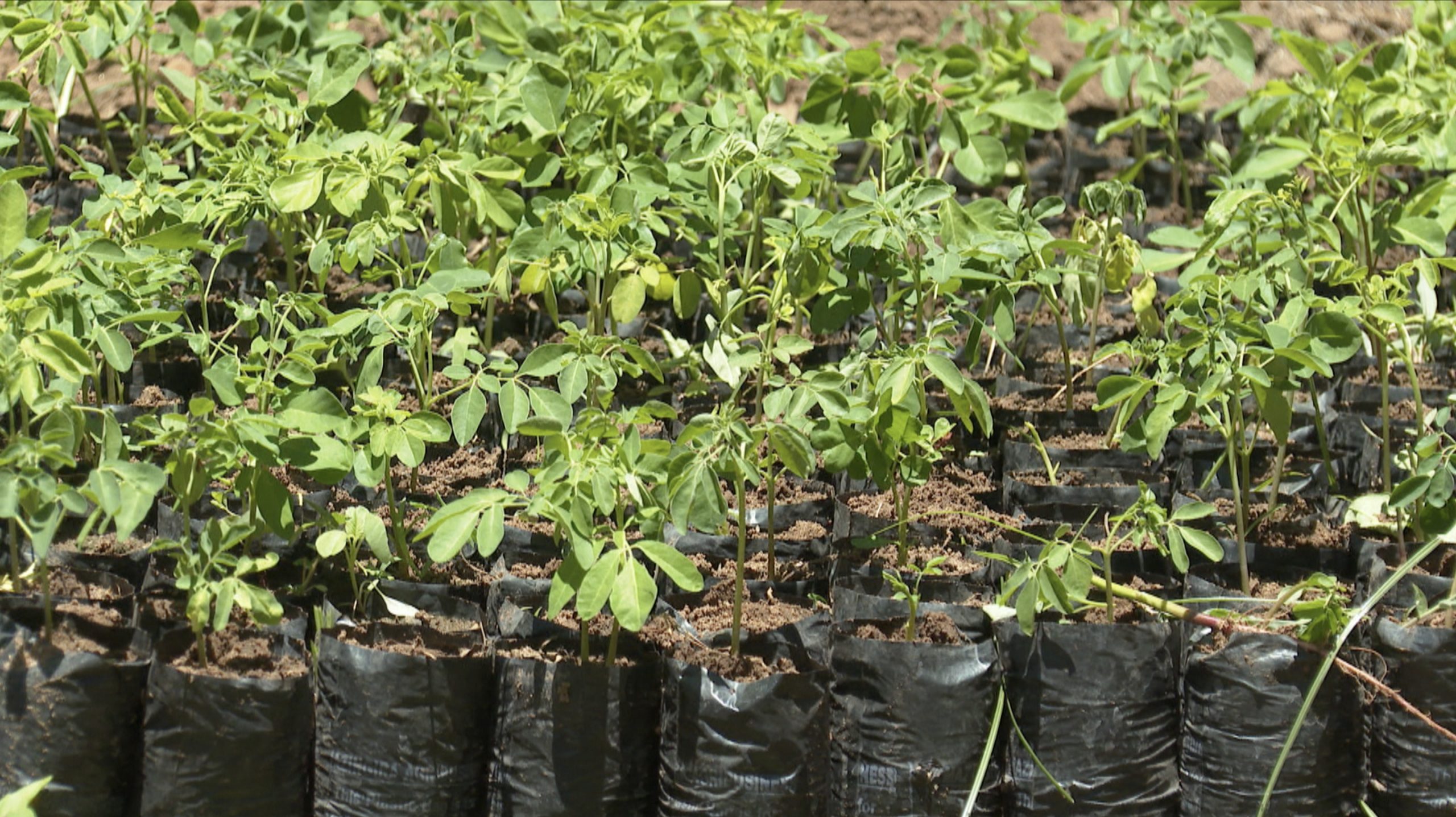
DNRC trains farmers on proper land preparation, including digging one-foot planting holes, separating nutrient-rich topsoil from subsoil, and returning the topsoil before the rains. In dry areas, seedlings are dipped in water before transplanting to retain moisture, enabling them to survive for up to a week without rainfall.
Farmers confirm the benefits. In Makueni County, Veronica Mueni says she received training through DNRC and now grows moringa for both consumption and income. She uses the leaves in her meals and sells leaves and seeds to generate revenue.
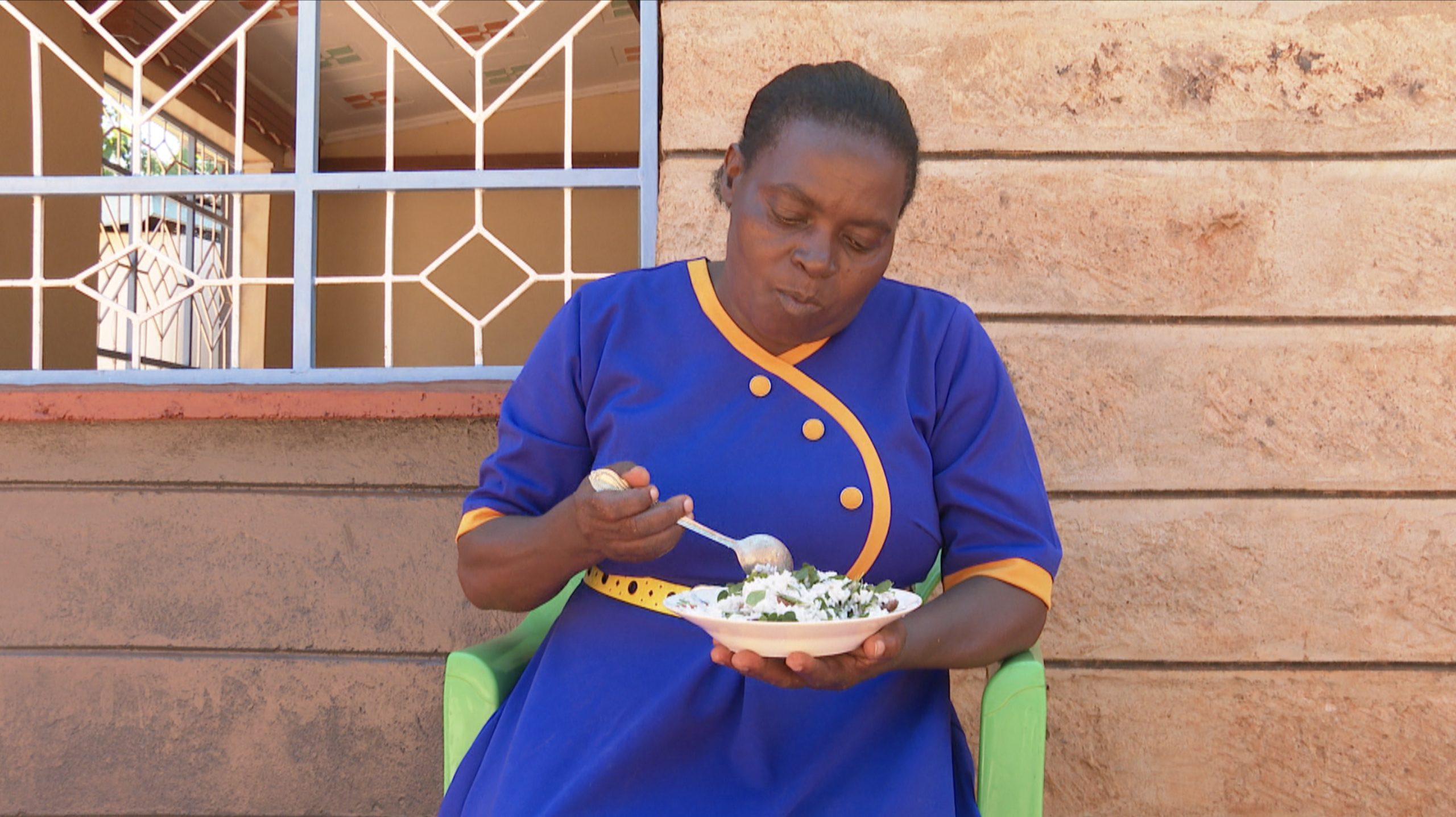
The Chief Executive Officer of the Drylands Natural Resources Centre (DNRC), Nicholas Syano, says they purchase moringa seeds from farmers at Ksh 250 per kilogram as part of its value addition strategy.
To enhance processing capacity, DNRC imported a solar-powered oil extraction machine from China. According to Mr. Syano, the machine is user-friendly and can extract oil from at least 50 different oil seeds, including moringa. Before extraction, the seeds are sun-dried. He notes that 10 kilograms of moringa seeds produce approximately one litre of oil, while the residue, commonly referred to as moringa cake, is utilized as animal feed.
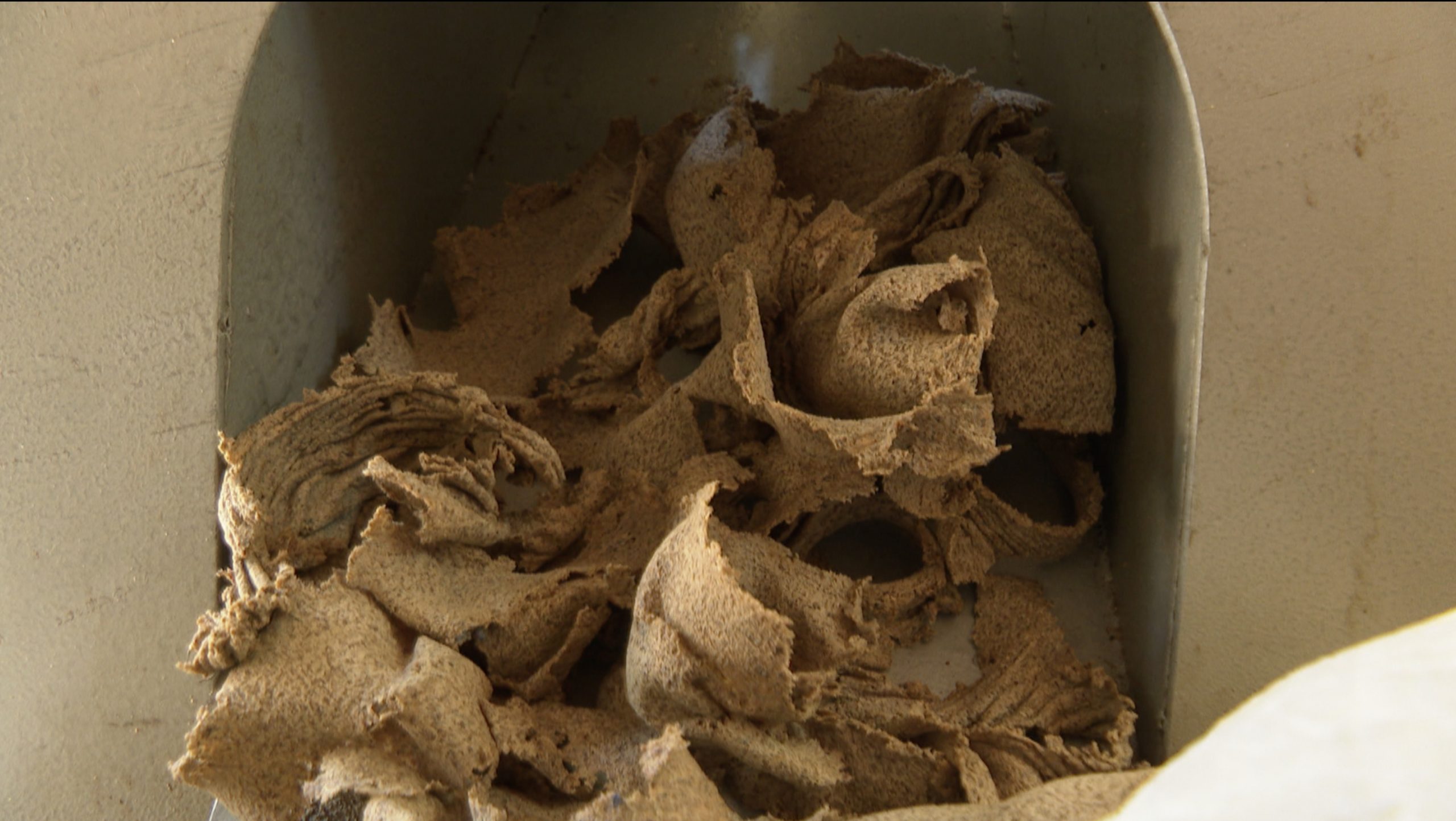
Mr. Syano confirms that there is a viable market for moringa oil, with his primary export market based in the United Kingdom. However, he advises farmers to secure markets before venturing into large-scale production. In the export market, a litre retails between Ksh 4,000 and 5,000, while the domestic price averages Ksh 2,000. He cautions against relying solely on external markets and encourages the development of strong local demand.
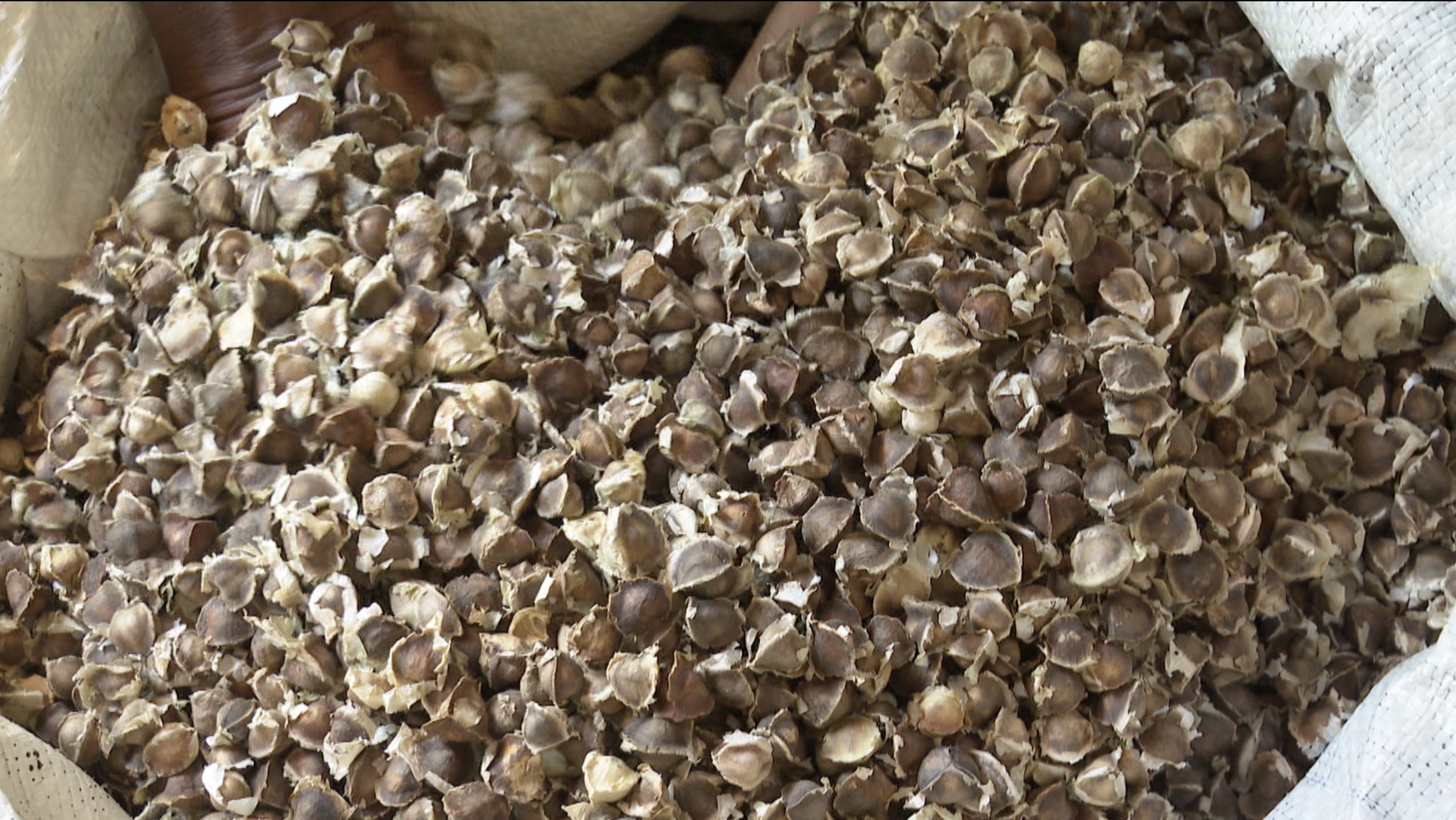
He further observes that moringa processing can begin with minimal capital, particularly through the production of leaf powder. Farmers, he suggests, can form groups, pool resources, and jointly invest in oil pressing equipment instead of relying on loans.
On environmental policy, Mr. Syano argues that tree planting initiatives by the government, including those linked to carbon credits and offsets, should emphasize direct economic benefits to farmers. “When farmers earn income from the trees they plant, they will not need to be compelled to grow diverse species,” he states.
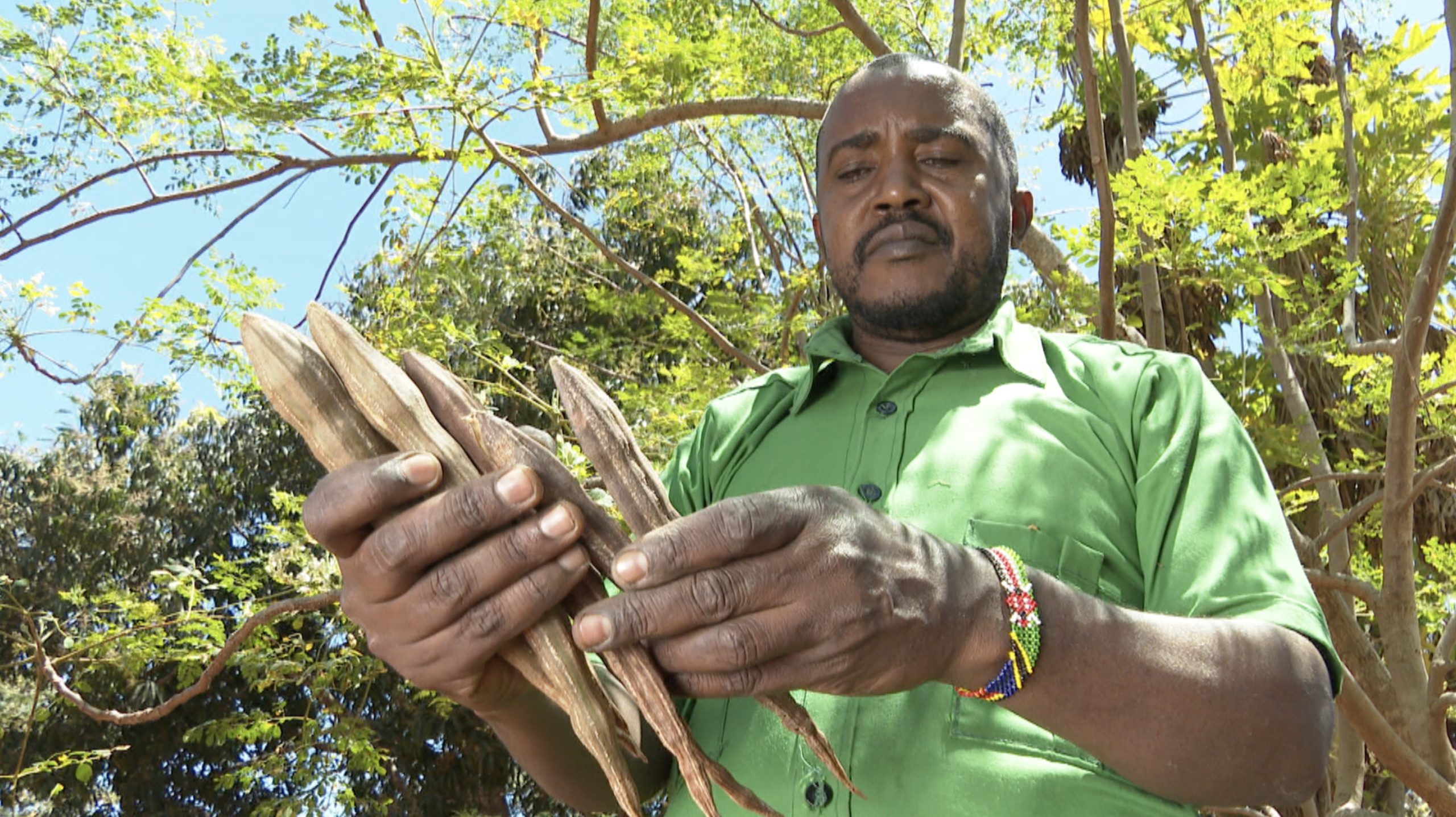
He concludes that moringa farming is a profitable and sustainable enterprise when supported by reliable markets and increased public awareness.
Given its nutritional richness, adaptability to dry climates, and multiple uses, moringa stands out as a valuable resource for food security, health promotion, and sustainable agriculture in Africa. Moringa cultivation presents practical opportunities for households and agribusinesses seeking resilient and high-value crops.
I need to buy moring seed