
Agriculture remains one of the most important sectors to drive Africa’s economic growth and job creation. The sector has the potential to provide millions of employment opportunities for young people through farming, agribusiness, technology and processing. With proper planning, investment, and support, young people can enter agribusiness with relatively low capital requirements and expand their enterprises over time.

Africa’s future development will largely depend on its young population. Young people who will identify challenges within their communities and develop practical solutions are the ones that will drive the continent’s social and economic transformation. According to the United Nations, Africa has the youngest population in the world, with nearly 60 percent of its people below the age of 25. By 2050, the continent’s youth population is expected to exceed 830 million people.
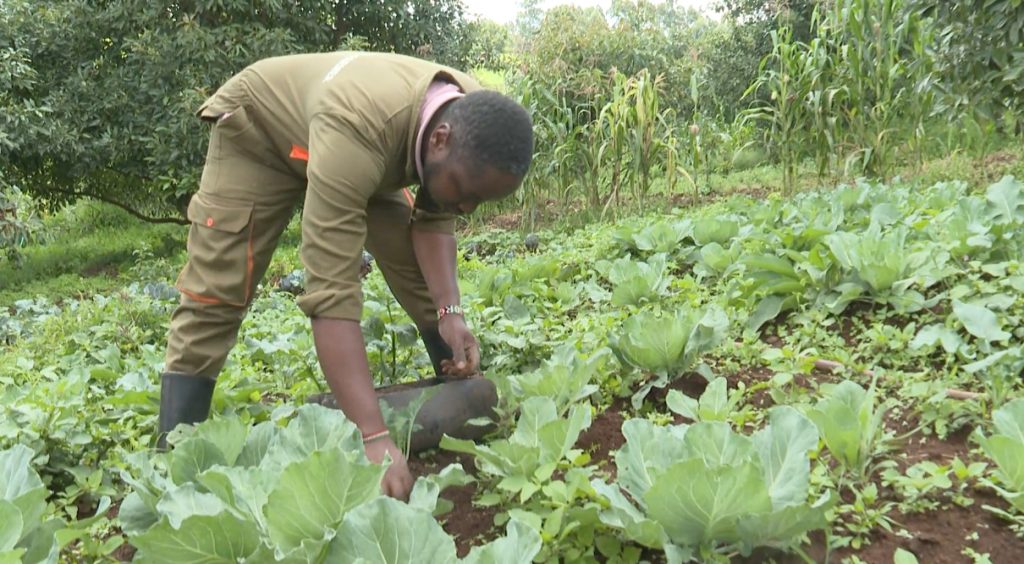
The labour market is also expanding rapidly. The Organization for Economic Co-operation and Development (OECD), projects that Africa’s working age population, aged between 15-64 years, will increase from approximately 849 million in 2024 to about 1.56 billion by 2050. This growth is an asset to the continent if strategically utilized. However, creating sufficient employment opportunities currently remains a major challenge. The International Labour Organization (ILO) estimates that about 85 percent of employment in Africa is found in the informal sector. In addition, many employed individuals still live in poverty despite having jobs. These figures highlight the urgent need for economic transformation that can generate productive employment opportunities for young people in Africa.
Agriculture remains Africa’s largest employer and contributes significantly to food production, manufacturing, trade, and services. Despite its importance, the sector still faces numerous challenges, including low productivity, limited access to finance, inadequate infrastructure, and poor adoption of modern technologies. These gaps also create opportunities for young entrepreneurs, professionals, and innovators.
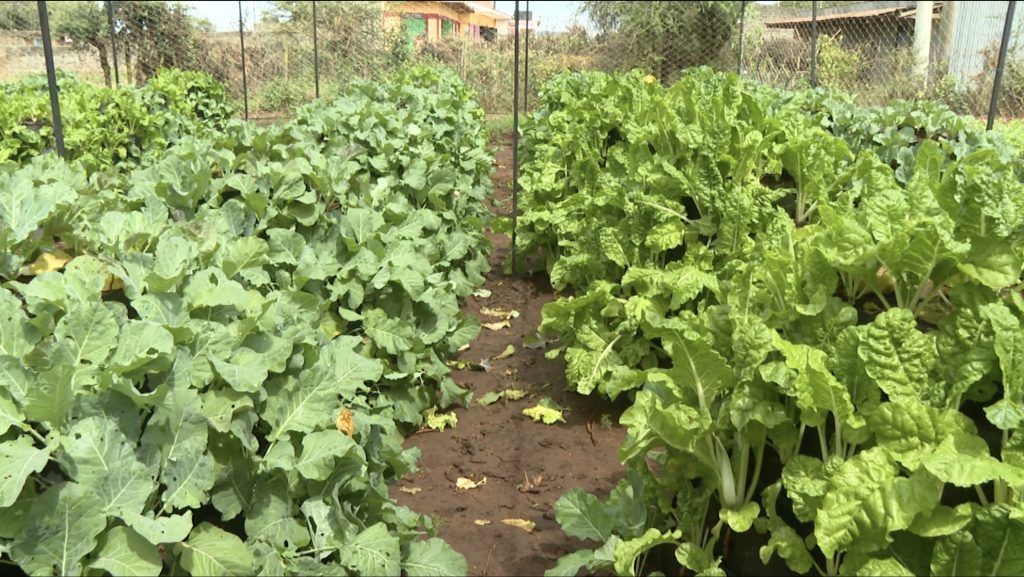
Young people can begin with agricultural enterprises that require relatively low investment. Urban farming methods such as vertical farming and multi-storey gardens provide opportunities to produce vegetables and herbs in limited spaces. Herbs such as basil, rosemary, mint, parsley, oregano, and coriander have growing markets in households, restaurants, hotels, and food processing industries. These products can be sold fresh or dried to increase shelf life and market value. Chili peppers and capsicum are also promising enterprises. Young farmers can supply fresh produce to local markets, engage in contract farming with processors, or add value by producing products such as paprika and cayenne pepper powder. Value addition increases income while creating employment opportunities along the value chain.

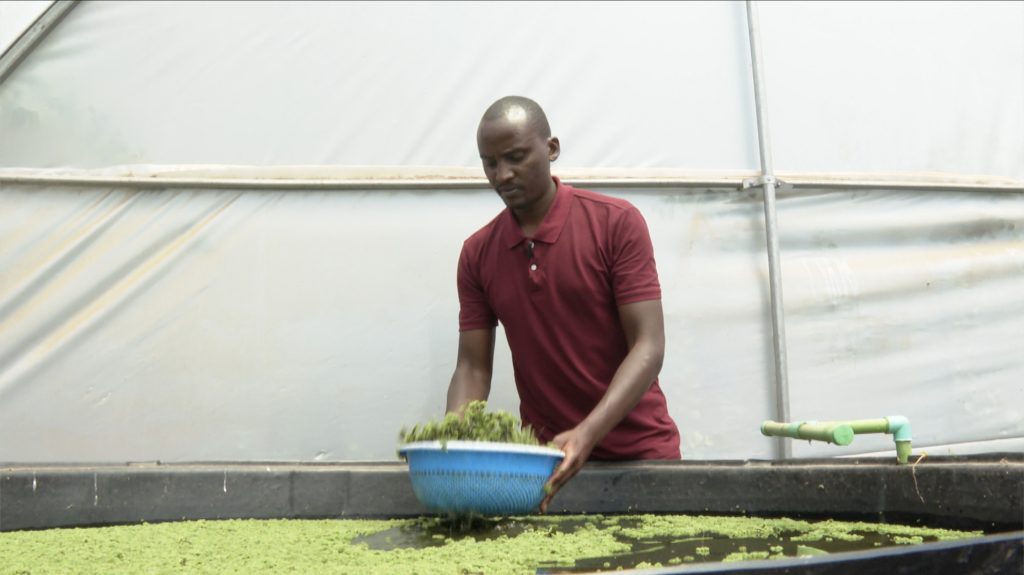
Farming practices such as vermiculture, which involves the production of organic compost, and Azolla farming can supply affordable organic fertilizers and livestock feed. As demand for sustainable agriculture and organic products increases, these enterprises can provide both environmental and economic benefits. Poultry and aquaculture is another ease of entry in agribusiness, which offers youth employment opportunities. Poultry production provides income through meat, eggs, hatcheries, and feed supply businesses. Feed costs remain one of the largest expenses for farmers, creating opportunities for young innovators to develop affordable feed solutions. Similarly, fish farming continues to grow across Africa due to increasing demand for affordable protein sources.
Technology is another key area where young people can make a major contribution to African agriculture. Many farmers still operate without proper record-keeping systems, making it difficult to monitor production, manage finances, or access credit. Poor farm data limits productivity and investment opportunities. Digital technologies can help farmers collect data, track farm performance, forecast production, improve financial management, and access markets and financial services. Reliable data makes agriculture more predictable, profitable, and attractive to investors. It also enables researchers, developers, and policymakers to design solutions that address Africa farmers’ needs.
Africa’s agricultural future depends largely on the energy, creativity, and determination of its young people. With a rapidly growing youth population and increasing demand for food, agriculture offers one of the greatest opportunities for employment, entrepreneurship, and economic growth across the continent. By embracing modern farming methods, value addition, digital technologies, and sustainable agricultural practices, young people can transform agriculture from a subsistence activity into a profitable and innovative sector. Greater investment in skills development, access to finance, technology, and markets will enable youth to become drivers of food security, rural development, and industrial growth. Empowering young people to lead in agriculture is essential when it comes to building resilient economies, reducing unemployment, and securing Africa’s future prosperity.