
Women are central to Africa’s agricultural sector and remain essential to the continent’s food security. Across the continent, they contribute significantly to crop production, livestock management, food processing, marketing, and household nutrition. Despite their essential role and efforts, women continue to face barriers that limit their productivity and economic opportunities in agriculture.
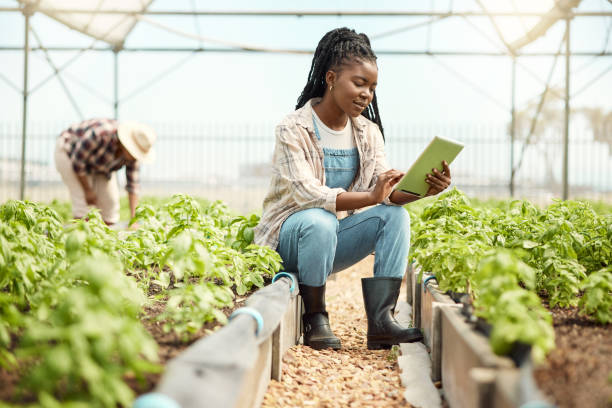
In Sub-Saharan Africa, women account for about 60% of the agricultural labor force. However, many have limited access to productive resources such as land, finance, agricultural inputs, technology, and profitable markets. Since land ownership is often required as collateral for loans, many women are unable to access the financing needed to invest in productive farming, because most land ownership in Africa is titled to men. As a result, access to agricultural finance remains low. According to World Metrics, about 12% of women in low-income countries have access to agricultural credit. These challenges reduce farm productivity, lower incomes, and limit opportunities to expand agricultural enterprises.
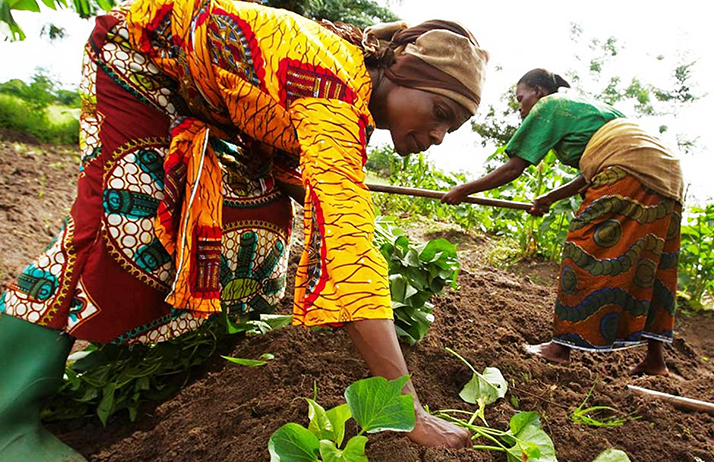
The leadership gap is equally evident across the agricultural sector. Women remain underrepresented in decision-making positions within government institutions, research organizations, agribusinesses, and producer organizations. Globally, women account for around 10% of national agricultural policy advisers, while few hold senior positions in ministries responsible for agriculture. Women also remain a minority among founders of agritech companies and students pursuing agricultural sciences. This gap tells a reality of how many agricultural policies, innovations, and investment decisions are developed without fully reflecting the experiences, needs and priorities of women farmers.
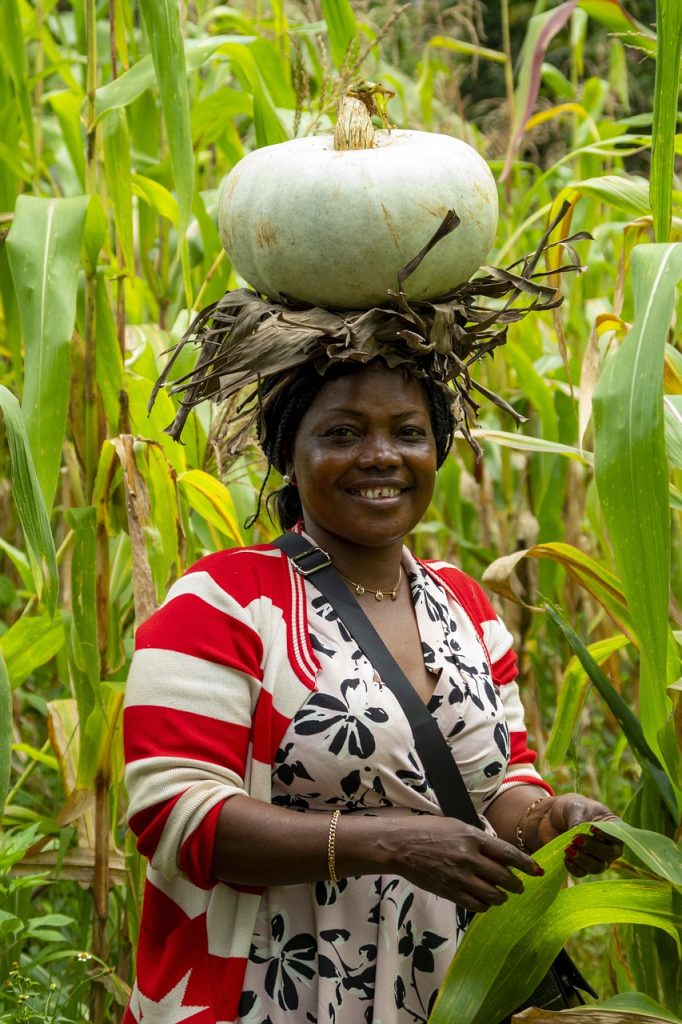
Regardless of the challenges women face, they still continue to shape the future of agriculture through innovation and entrepreneurship in Africa and around the world. Across Africa, women are adopting climate-smart farming practices, leading farmer organizations, investing in value addition, embracing digital technologies, advancing agricultural research and creating businesses that generate employment and improve livelihoods. Their contributions extend beyond food production to strengthening rural economies, reducing poverty, improving nutrition, and building more resilient agricultural systems.
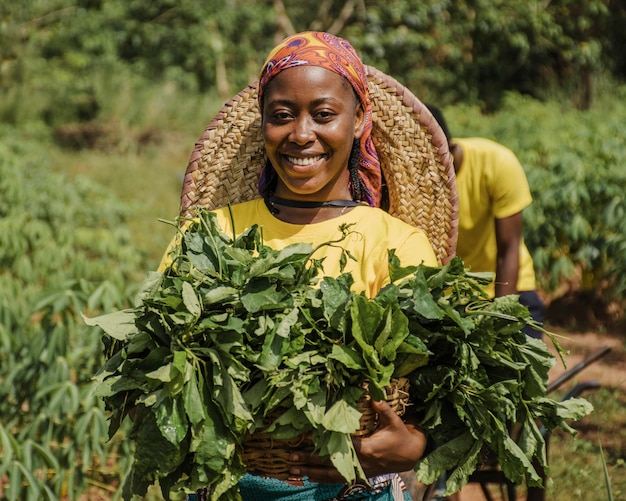
In recognition of these contributions, the Food and Agriculture Organization (FAO) has designated 2026 as the International Year of the Woman Farmer. The initiative highlights the vital role women play in building sustainable agrifood systems and acknowledging their contributions as farmers, entrepreneurs, scientists, innovators, leaders, and community champions. It also calls for greater investment in policies and programs that improve women’s access to land, finance, education, technology, markets, and leadership opportunities.
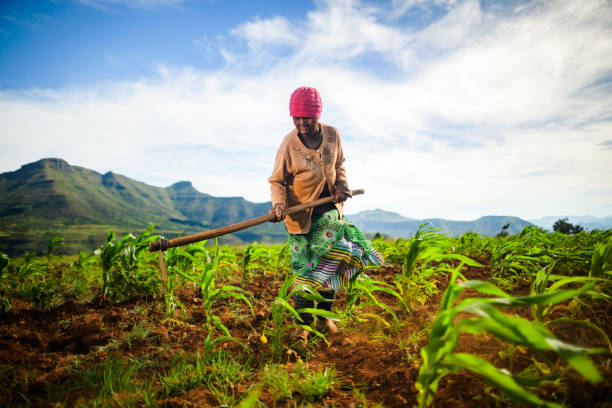
Several African countries are already recognizing and celebrating the achievements of women transforming agriculture. In Kenya, the Ministry of Agriculture and Livestock Development, through the Office of the Cabinet Secretary, congratulated five Kenyan women who were nominated for the Food and Agriculture Organization’s (FAO) 100 Women Heroines recognition. The nominees include Paloma Fernandes, Chief Executive Officer of the Cereal Millers Association; Jane Maigua, Chief Executive Officer of Exotic EPZ and former Chairperson of the Macadamia Nuts Association of Kenya; Dr. Zipporah Gitonga, founder of Mazao na Afya Agrochemicals; Dr. Wanjiru Kamau-Rutenberg, Africa Managing Director of the Alliance of Bioversity International and CIAT under CGIAR; and Sheila Komen-Keino, Chief Executive Officer of Sustain Africa. Their recognition highlights the growing influence of African women in advancing agricultural innovation, agribusiness, food systems, and sustainable rural development while strengthening value chains.
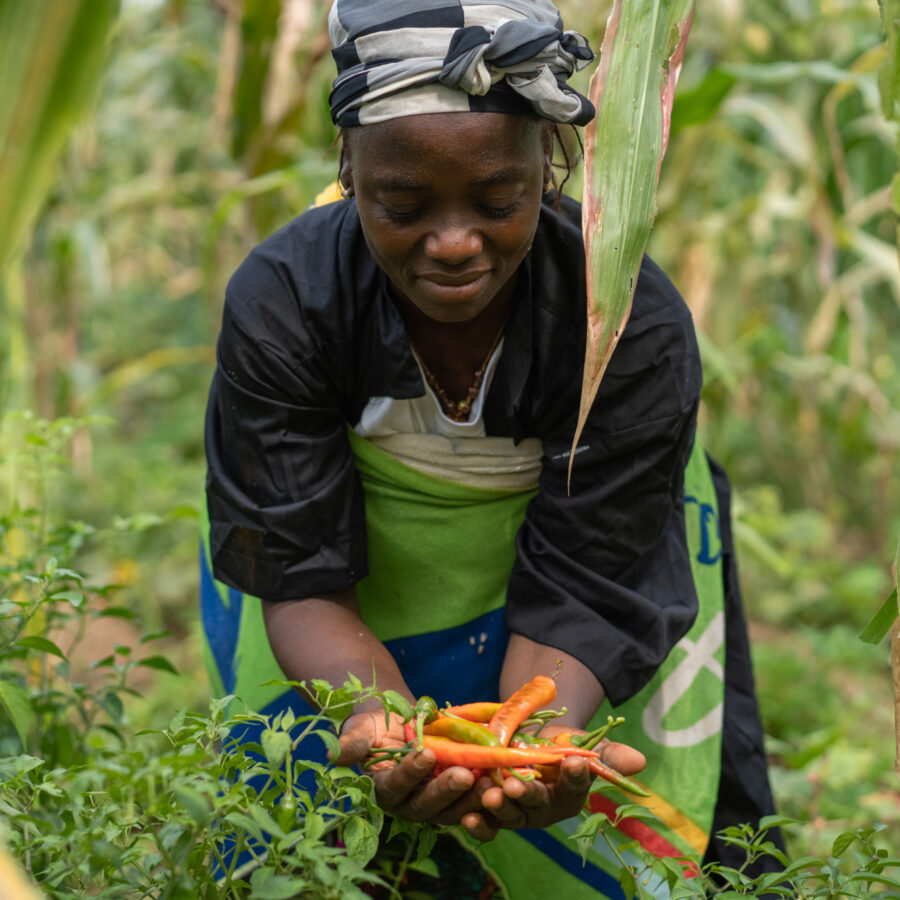
The recognition of women farmers, researchers, entrepreneurs, and agricultural leaders, reminds us of the contribution women give within the sector i.e. knowledge, experience, and resilience. Africa’s food security and economic growth depend on unlocking the full potential of women across the agrifood system. To ensure long-term sustainability and food security and achieving strong strategic food systems, investing in both women and young people is key. Empowering African women and youth through equipping them with the skills, knowledge, mentorship, improved finance access, technologies, and removing barriers, their participation in agriculture will help drive national prosperity while feeding a growing population.