
The ocean covers more than 70 percent of the Earth’s surface, making it the largest natural feature on the planet. It plays a critical role in maintaining environmental balance and supporting life on Earth. Healthy oceans regulate climate, absorb large amounts of carbon dioxide, and help sustain biodiversity across marine and terrestrial ecosystems.

One of the ocean’s most important contributions is the production of oxygen. One of the planet’s lungs housed in the sea are the phytoplankton, which are microscopic organisms that contain chlorophyll, which enables them to carry out photosynthesis. Through photosynthesis, phytoplankton use sunlight, water, and carbon dioxide to produce energy for growth while releasing oxygen into the atmosphere. Their vast numbers due to rapid growth that double in mass every day. makes them one of the most important sources of oxygen on the planet. Scientists estimate that they produce more oxygen than plants on earth, though they are organisms that are most likely to be affected by global warming and climate change.
The ocean provides far more benefits to humanity than many people realize. It supports the livelihoods of billions of people worldwide through fisheries, tourism, shipping etc,. Coastal areas attract millions of visitors each year, creating employment opportunities and generating income for local economies. The ocean also offers recreational activities such as swimming, sailing, kayaking, and diving, which contribute to physical fitness and overall well-being.

As a major source of food, the ocean supplies billions of people with fish and other seafood rich in high quality protein, and omega 3 fatty acids. These nutrients are known to support heart health and help reduce the risk of cardiovascular diseases. Beyond food production, the ocean plays an important role in medical research. Through marine biotechnology, scientists are studying bioactive compounds found in marine organisms such as bacteria, fungi, algae, plants, and animals. These natural compounds have shown potential in the development of treatments for cancer, infections, inflammation, and other health conditions.

The ocean is also a significant contributor to the global economy. According to the United Nations Development Programme (UNDP), ocean based industries generate an estimated US$3 trillion annually, making the ocean one of the world’s largest economic resources. In addition to its economic and nutritional value, the ocean is essential for regulating the earth’s climate. It absorbs approximately 25 percent of carbon dioxide emissions and captures more than 90 percent of the excess heat trapped by greenhouse gases. This helps moderate global temperatures and reduces the impact of climate change. Healthy oceans are therefore critical for maintaining stable weather patterns and supporting agriculture, water resources, and ecosystems.
The ocean is also home to an extraordinary diversity of life. It contains roughly 80 percent of the planet’s biodiversity, providing habitat for countless species of fish, mammals, plants, corals, and microorganisms. These ecosystems support food chains, protect coastlines, and contribute to the overall health of the planet.
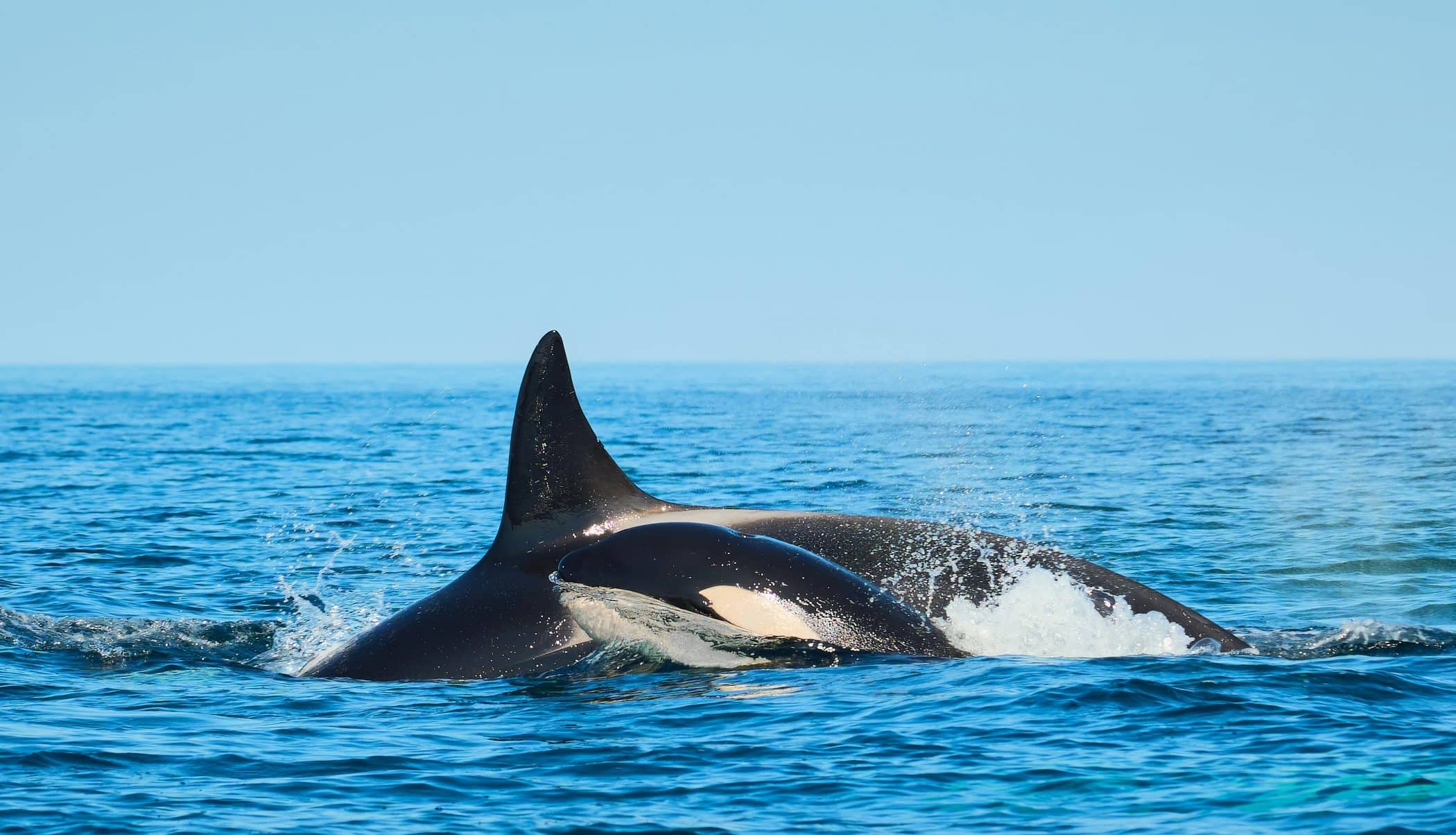
As the world marks World Ocean Day, there is a growing need to recognize our responsibility as stewards of this vital resource. Despite its importance, the ocean faces numerous threats, most of which are caused by human activities. Studies indicate that around 80 percent of marine pollution originates from land based sources. Major challenges include climate change, pollution, habitat destruction, and unsustainable exploitation of marine resources.
Ocean acidification, caused by increased absorption of carbon dioxide, is damaging coral reefs and marine habitats that support thousands of species. Overfishing continues to deplete fish stocks, threatening food security and pushing some marine species toward extinction. Agricultural runoff carrying pesticides and fertilizers contaminates coastal waters, while industrial waste and oil spills further degrade marine ecosystems. Plastic pollution remains one of the most visible threats, with millions of tonnes of plastic entering the ocean every year. Marine animals, including sea turtles, whales, seabirds, and fish, often ingest plastic debris or become entangled in it, resulting in injury or death.

The renowned natural historian and broadcaster Sir David Attenborough words, highlight the urgent need for collective action. “Plastic is so permanent and so indestructible that when it enters the ocean, it simply does not go away.”
It is important to recognize that the future of humanity is closely tied to the health of our oceans. The ocean regulates the climate, supports livelihoods, provides food and oxygen, and sustains countless species that maintain ecological balance. Celebrating this day is not only about raising awareness but also about encouraging collective action to reduce pollution, promote sustainable use of marine resources, and protect coastal and marine ecosystems for future generations. As humans, we all have a role to safeguard the ocean. By collectively taking charge to protect and valuing the ocean, will help secure a sustainable future for generations to come.
Images courtesy of FAO, The Marine Environment Protection Authority, Climate KIC, Shuwari Sports Fishing and Shutterstock.