
In the highlands of Thika, Kenya, the Grow Biointensive Agriculture Center of Kenya (G-BIACK) stands as a practical example of how sustainable agriculture can transform livelihoods and strengthen food systems. The center is led by Samuel Nderitu who serves as the director, a specialist in sustainable agriculture who received training in both Kenya and the United States of America. Through his model farm, Nderitu demonstrates how farmers can successfully adopt an integrated farming system that combines livestock, fish farming, poultry, crops, and trees within one connected production system. The model promotes food security, environmental conservation, and sustainable income generation while strengthening the resilience of farms against climate and economic challenges.
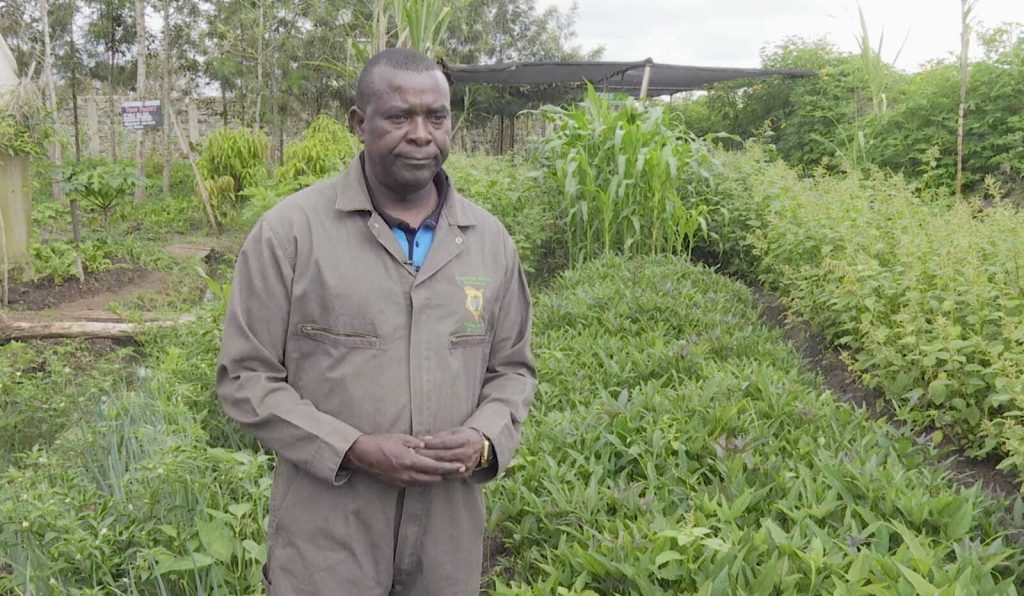
Unlike conventional farming systems that focus on a single enterprise, integrated farming allows farmers to diversify production and income streams. According to Nderitu, this system has the potential to improve farm profitability, create employment opportunities, and support long-term livelihood security for farming communities. The approach also contributes to healthier ecosystems by improving soil fertility, reducing waste, and encouraging efficient use of land and water resources.
Nderitu says his greatest motivation is seeing families achieve food security and stable livelihoods through agriculture. He notes that many rural households continue to face hunger and financial difficulties despite owning productive land. His mission is to equip farmers with practical knowledge that enables them to turn small farms into productive and profitable enterprises. Since establishing G-BIACK 14 years ago, he says the center has trained more than 20,000 farmers across Kenya on sustainable and integrated farming practices.
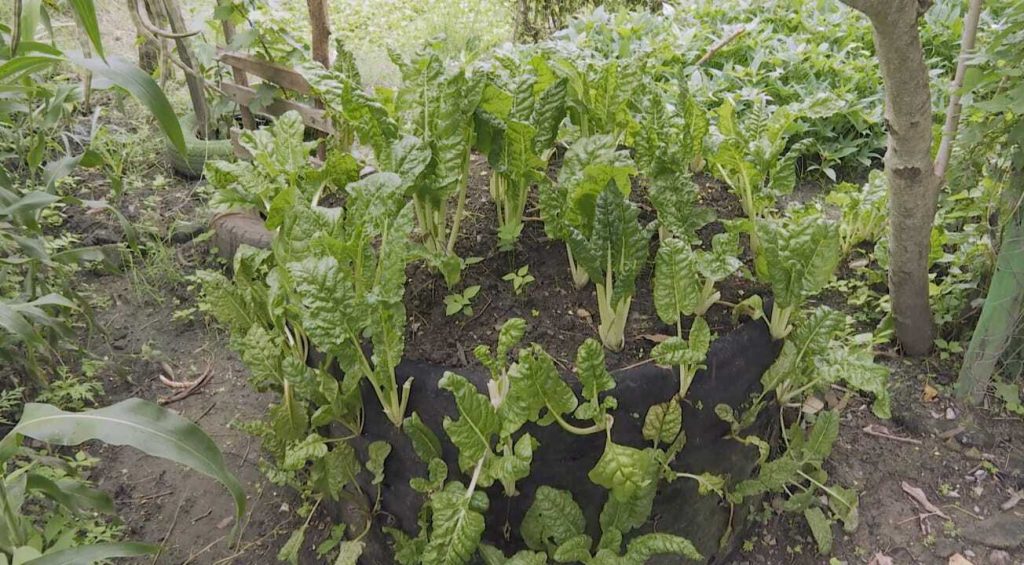
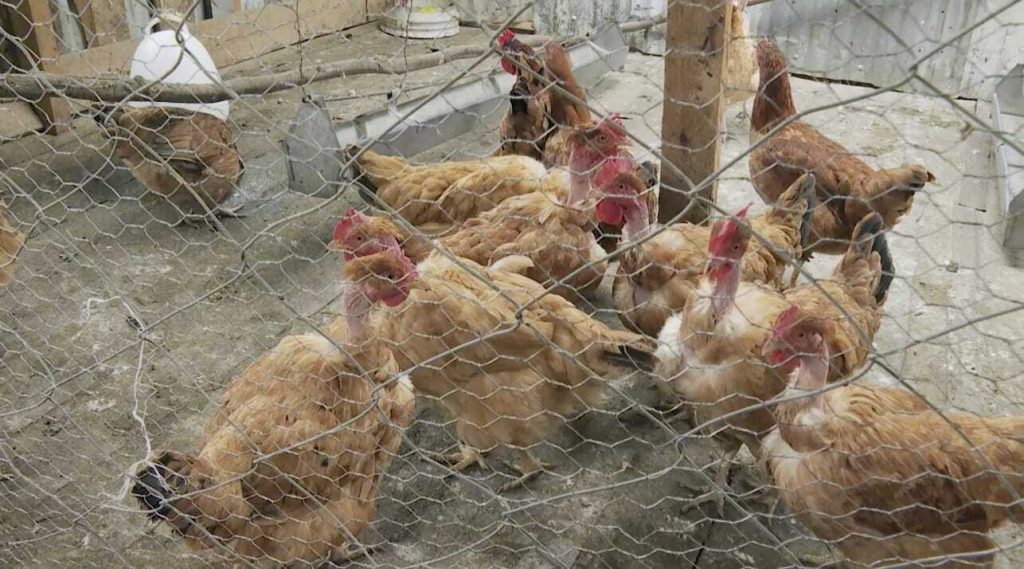
He further explains that the integrated farming model used at the farm follows a closed-loop system, where every resource is recycled to ensure nothing goes to waste. According to him, the system is designed to create a balance between crops, livestock, fish farming, and organic waste management, making the farm both productive and environmentally sustainable. Nderitu demonstrates how different farm enterprises support each other within the system. Poultry on the farm are fed using crops grown within the farm. The poultry droppings are then directed into fish ponds, where they encourage the growth of worms that serve as feed for the fish. The nutrient-rich water from the fish ponds, which contains high levels of nitrogen, is later used to irrigate crops on the farm.
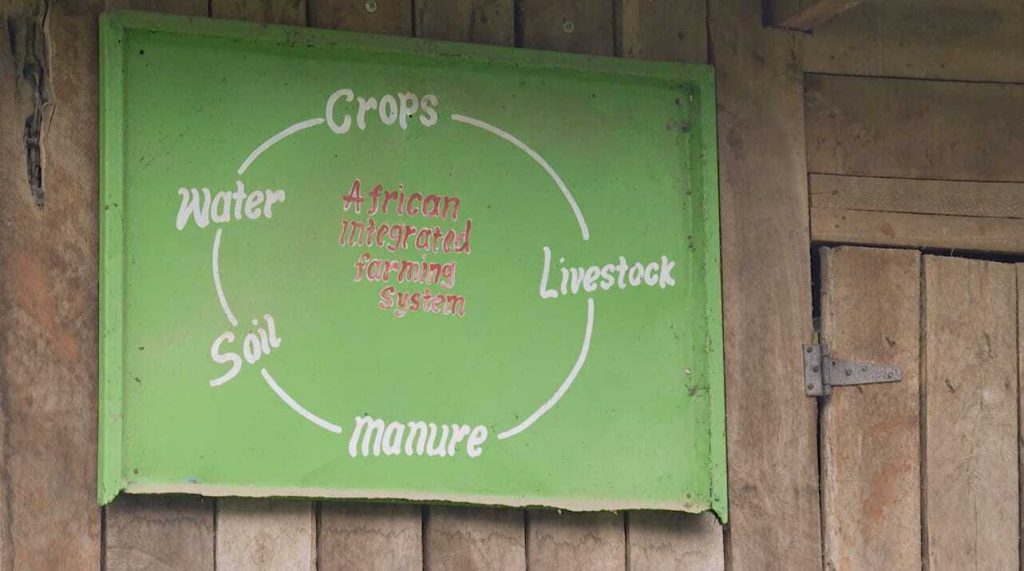
He explains that this approach provides multiple benefits to farmers. Besides harvesting fish for food and income, farmers also gain access to rich irrigation water that improves soil fertility and crop productivity. Nderitu adds that the system supports climate change adaptation by reducing waste, conserving resources, and promoting pure organic farming practices.
Apart from poultry and fish farming, Nderitu also keeps rabbits, goats, and black soldier flies. He explains that the larvae from the black soldier flies are mixed with Azolla harvested from the fish ponds together with other feed materials to produce highly nutritious animal feed. According to him, this feed improves livestock health and contributes to higher productivity among the animals.
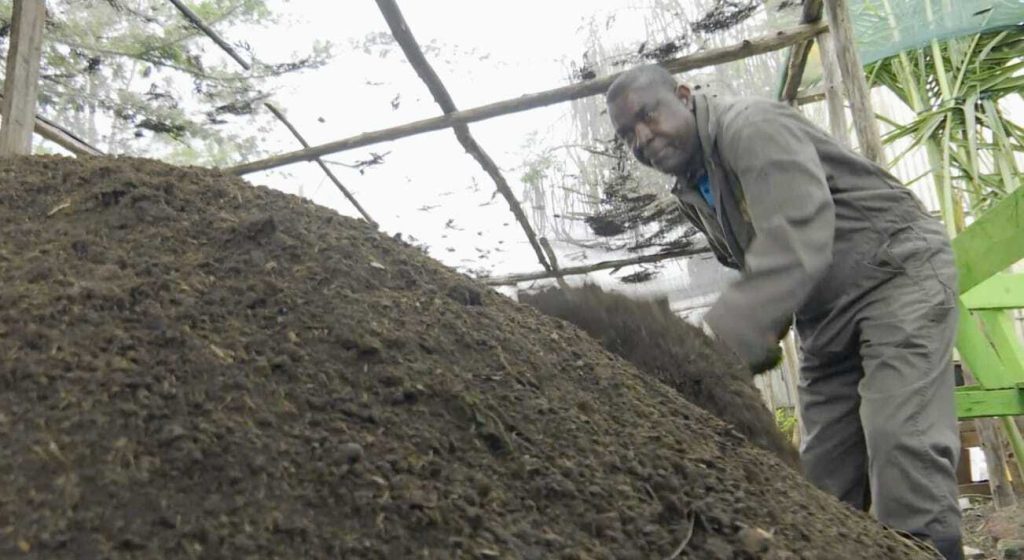
The farm also prepares cold compost, which Nderitu describes as one of the most effective organic fertilizers for long-term soil health. The compost is prepared by mixing mature and immature organic materials while carefully maintaining the correct carbon-to-nitrogen ratio. He explains that carbon rich mature materials should be higher than nitrogen rich immature materials. The composting process takes between three and six months, but the final product lasts longer in the soil and steadily improves soil fertility.
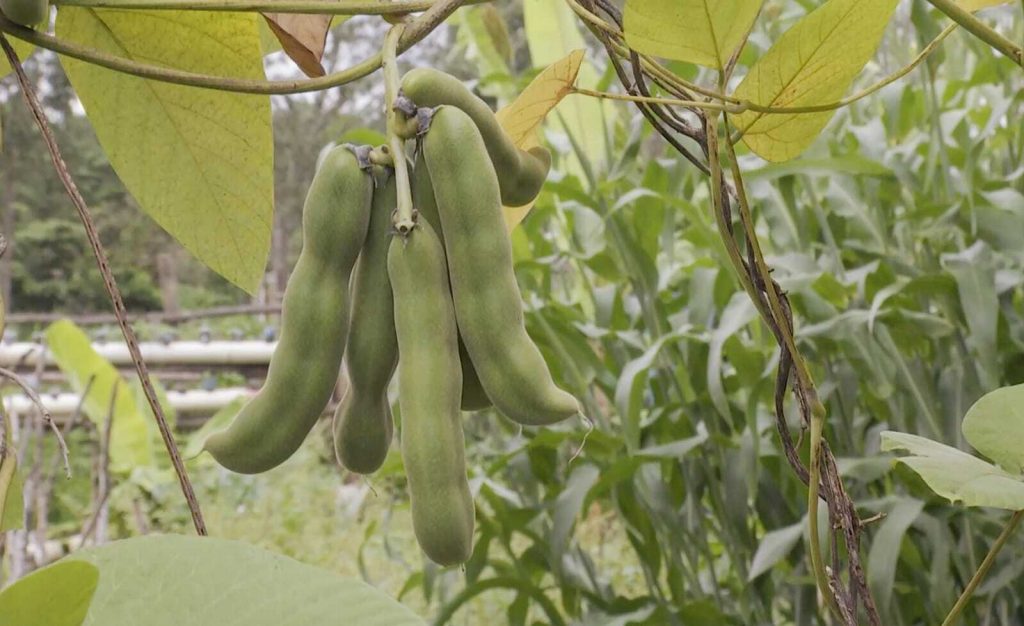
On crop diversification, Nderitu emphasizes that it is one of the most important practices in sustainable farming because it helps reduce the spread of pests and diseases, which remain major challenges for many farmers. He trains farmers to apply the 60:30:10 planting system. Under this model, 60 percent of the farm should be allocated to carbon crops such as sorghum, millet, maize, and amaranth. Another 30 percent should be used for root crops like sweet potatoes, Irish potatoes, and garlic, which he describes as calorie efficient crops. The remaining 10 percent is reserved for nutrient-rich vegetables.
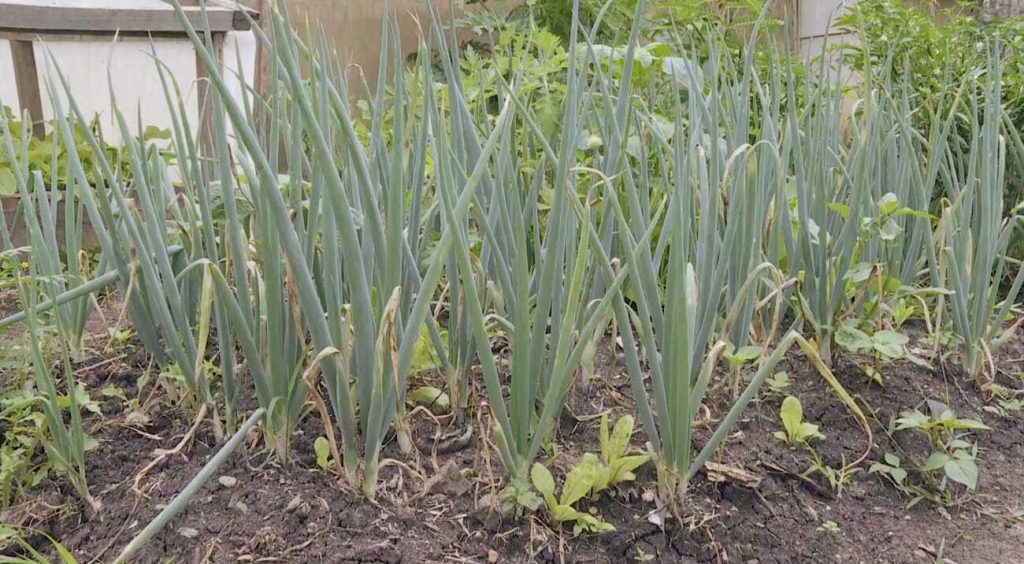
Nderitu says that sustainable agriculture begins with healthy soils. He explains that organic farming places strong emphasis on soil fertility management, which in turn improves water conservation, pest and disease control, and overall food production. Through this approach, farms become more resilient and sustainable over time.
He notes that the surrounding community has positively embraced the integrated farming system. According to him, more than 60 percent of the farmers trained at the center have adopted the model and implemented it on their own farms. He considers this a major success because it contributes to strengthening Kenya’s food production systems while improving household incomes and environmental conservation.
As Africa continues to face challenges related to food insecurity, climate change, and unemployment, integrated farming systems present an important opportunity for sustainable agricultural growth. Livestock farming, when combined with crop production, fish farming, and organic waste recycling, can create reliable incomes, improve nutrition, generate employment, and promote environmental conservation. Such systems also provide small-scale farmers with practical opportunities to build profitable agribusinesses while contributing to stronger and more resilient food systems across the continent.