According to global estimates, nearly 90% of flowering plants rely on pollinators for reproduction. Through pollination, plants are able to produce seeds and fruits while sustaining forests, grasslands, wetlands, and agricultural landscapes. Without pollinators, many plant species would decline or disappear, reducing vegetation cover, increasing atmospheric carbon levels, and weakening the planet’s natural climate regulation systems.
Pollinators also make a significant contribution to agriculture. Beyond supporting the reproduction of flowering plants, they are directly linked to the productivity of many food crops. Research shows that about 75% of the world’s food crops depend on animal pollination. Bees are among the most effective pollinators in agricultural systems, helping improve crop yields, fruit quality, and biodiversity. Their role is especially important for fruits, vegetables, nuts, and oilseed crops that support both food security and rural livelihoods.
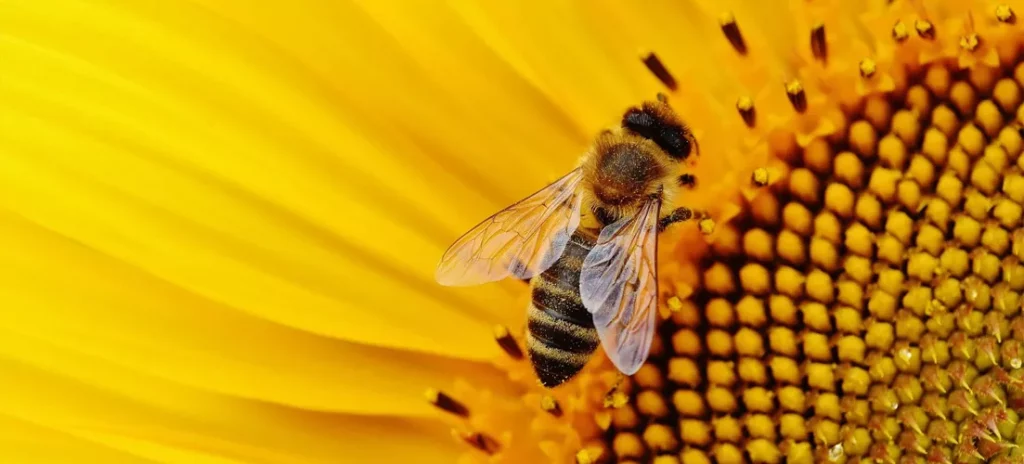
In addition, pollinators indirectly contribute to climate resilience. Healthy plant systems absorb carbon dioxide from the atmosphere and store it in vegetation and soil, creating long-term carbon sinks that help slow the accumulation of greenhouse gases. By supporting plant growth and increasing vegetation cover, bees and other pollinators strengthen natural climate-regulating systems and help ecosystems remain productive and resilient. Protecting pollinators is therefore not only an environmental priority, but also an agricultural and economic necessity.
Today, as the world marks United Nations World Bee Day, we recognize bees and other pollinators for their critical role in maintaining ecological and climate balance. Their contribution in our ecosystem is hard to ignore. While this day is meant to celebrate their importance, it should also serve as a reminder of the urgent need to protect them from increasing environmental threats. One of the major challenges facing bee populations today is habitat loss caused by rapid urbanization, deforestation, and unsustainable land use.
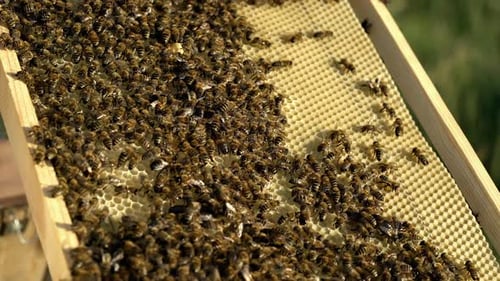
Expanding infrastructure often destroys flowering plants and natural habitats that pollinators depend on for food and reproduction. In addition, the excessive use of chemical pesticides and herbicides in agriculture has negatively affected bee populations across many regions. Studies have shown that toxic chemicals can weaken bees, disrupt their feeding and navigation patterns, and contribute to colony decline. As a result, there is growing concern over the long-term impact of pollinator loss on food security and environmental sustainability. Protecting pollinators requires both environmental action and public awareness. Conservation practices such as planting home and community gardens, afforestation, preserving natural vegetation, practicing crop rotation, and reducing dependence on synthetic chemicals can help restore pollinator populations.
Organic farming and the use of environmentally friendly pest control methods also create safer habitats for bees and other beneficial insects. At the same time, there is a need for stronger public education and sensitization programs to help communities understand the ecological and economic value of pollinators. We must work together to develop policies and promote pollinator friendly environments that support sustainable agriculture and biodiversity conservation for future generations. Protecting bees and other pollinators is more than an environmental issue, it is a shared duty that affects food security, climate resilience, and the future of farming and food. Every plant we protect, every harmful chemical we reduce, and every pollinator friendly space we create, tends to strengthen the ecosystem that supports a sustainable future.
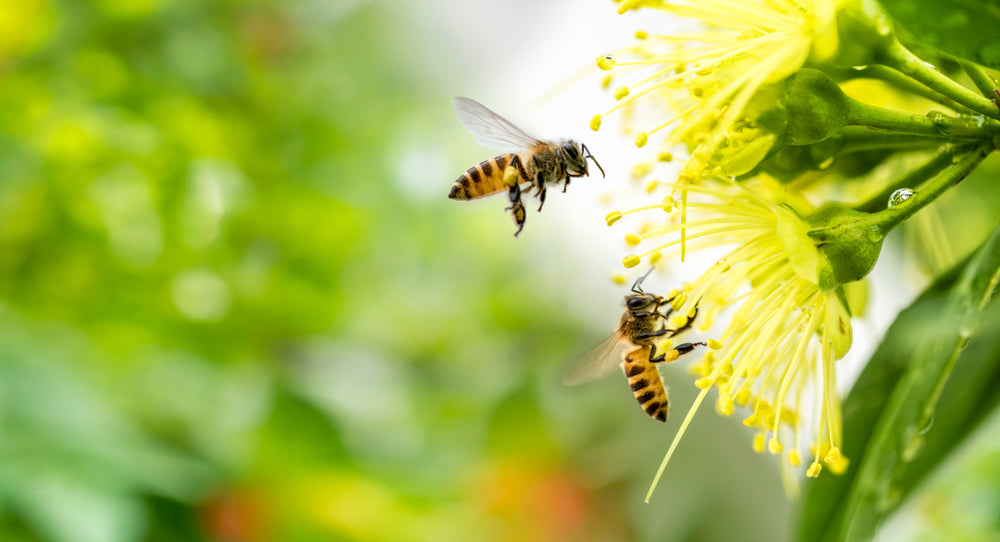
On World Bee Day, the message we relay is clear, how small actions add up. Investing in pollinator conservation today protects biodiversity, makes farming systems more resilient, and preserves the natural balance future generations will rely on.