
Every year on May 21st, International Tea Day invites us to pause over a humble cup of tea. More than just a comforting ritual, that single cup connects us to a story stretching back centuries—and across continents. Established by the United Nations and championed by the Food and Agriculture Organization, this day reminds us that tea carries within it deep cultural roots, quiet health wisdom, and a lifeline of economic hope for millions.

Think about it: tea is a multi-billion-dollar global industry, yet its heartbeat lies in the hands of over 13 million people, many of them small-scale farmers in developing countries. And nowhere is that story more vibrant than in Africa, where tea leaves burst with boldness, brightness, and full-bodied character. African black tea, in particular, is so lively and richly colored that it often becomes the sturdy backbone of beloved breakfast blends sipped across Europe, North America, and Pakistan.
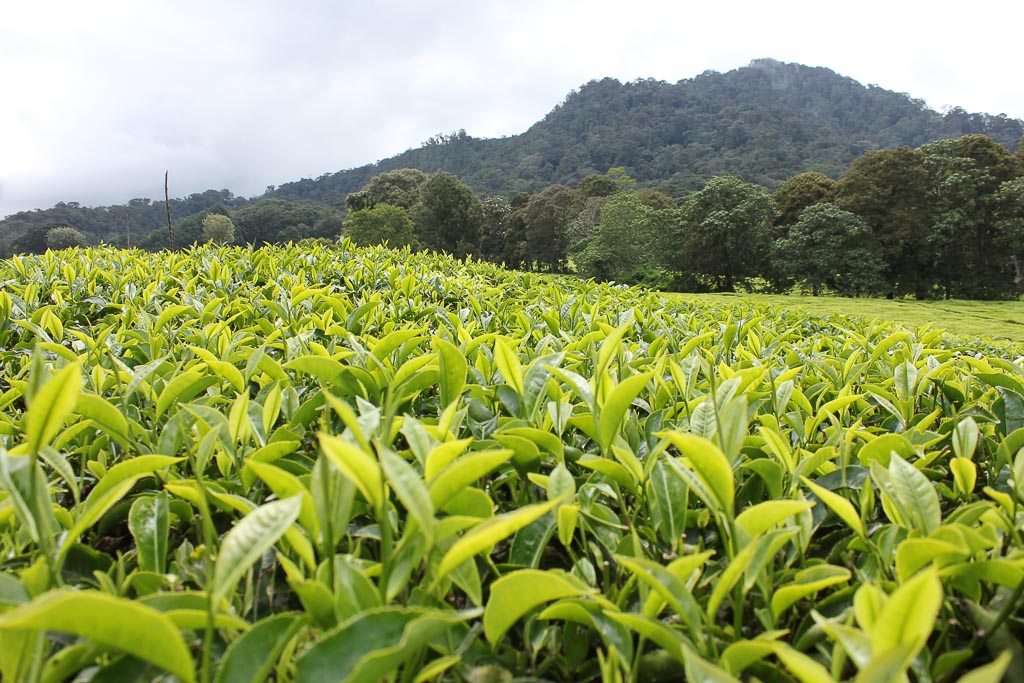
At the very center of this African tea success stands Kenya. The country is not just a participant in the global tea market—it’s a powerhouse. Kenya proudly ranks as the world’s top exporter of black tea, rubbing shoulders with giants like China and India. The secret? A landscape that seems almost designed for extraordinary tea. High-altitude expanses along both sides of the Great Rift Valley—Kericho, Bomet, Nandi, Kiambu, Thika, Meru—offer the perfect combination of equatorial sunshine, volcanic soils, and cool mountain air.
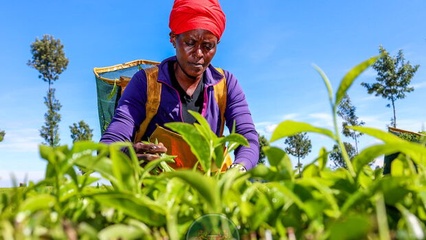
But what truly sets Kenya apart is not just geography—it’s people. Over 650,000 smallholder farmers form the soul of Kenyan tea, producing more than 60% of the national crop. Largely organized under the Kenya Tea Development Agency (KTDA), these farmers are not faceless suppliers; they are mothers, fathers, and community pillars who carefully pluck green leaves each morning with generations of knowledge at their fingertips. Alongside large corporate estates, they create a partnership of scale and intimacy.

You might wonder: how does a leaf picked by a farmer in rural Kenya find its way into a tea bag on a supermarket shelf in London or Lahore? The answer lies in two remarkably effective institutions working hand in hand. The Tea Board of Kenya (TBK) acts as the industry regulator, setting standards and safeguarding quality. Meanwhile, the East African Tea Trade Association (EATTA) functions as the vibrant commercial pulse—the engine that powers transparent auctions and connects growers to international buyers. Together, they form a public-private ecosystem that transforms green leaves into billions of shillings in revenue, fairly and sustainably.

What fills the cup from those leaves is distinctive and unforgettable: a deep, bright coppery hue and a brisk, awakening flavor that earned Kenyan tea its global reputation. Most of it is crafted using the Crush, Tear, Curl (CTC) method, producing perfect little granules that infuse rapidly and deeply—ideal for strong tea bags. But do not imagine Kenyan tea as stuck in tradition. Innovation thrives here. Alongside CTC, the country now produces elegant Black Orthodox teas, delicate white teas, and a genuine marvel: Kenyan Purple Tea. Made from a unique leaf variety packed with anthocyanin antioxidants, it carries a gentle, smooth taste and has sparked growing excitement among health-conscious drinkers worldwide.
So this International Tea Day, as steam rises from your cup, take a moment to savor what it truly holds. You are not just drinking tea. You are in touch with Kenyan highlands, with a smallholder farmer’s pride, with a leaf that bridges ancient ritual and modern, sustainable survival. Tea remains what it has always been: a quiet symbol of peace, connection, and our shared humanity.
Images courtesy of Kenya Tea Development Agency (KTDA)