
Across Africa, farmers are transitioning into azolla farming, a sustainable, eco-friendly practice that is gaining traction as a low-cost, high-protein feed and an organic bio-fertilizer. Cultivated in shallow ponds for lined tanks, azolla is increasingly being integrated into smallholder systems to supplement poultry, dairy, pig, and fish feed.

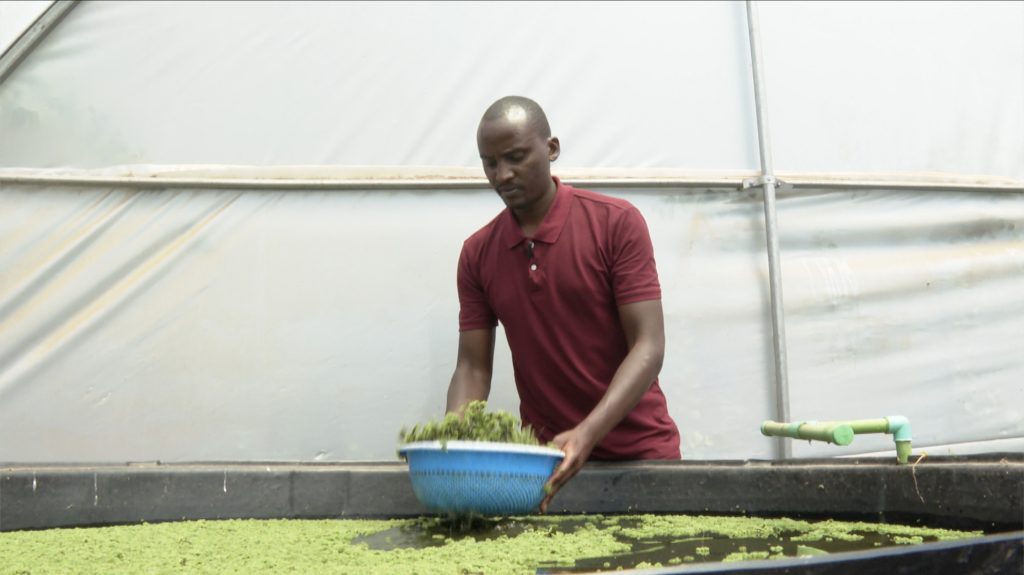
In Nakuru County, Robert Mwangi, founder of Bee My Partner, is championing azolla farming. On his farm, azolla plays a central role in supporting poultry, fish production and soil fertility management. According to him, azolla is a fast-growing aquatic plant that thrives vegetatively in water and serves as a valuable feed for fish, goats, poultry, and cattle. It can also be incorporated into formulated feeds to enhance nutritional value “While azolla can be found naturally in water bodies such as dams, it is better to source it from established cultivators to ensure quality and consistency,” he says.
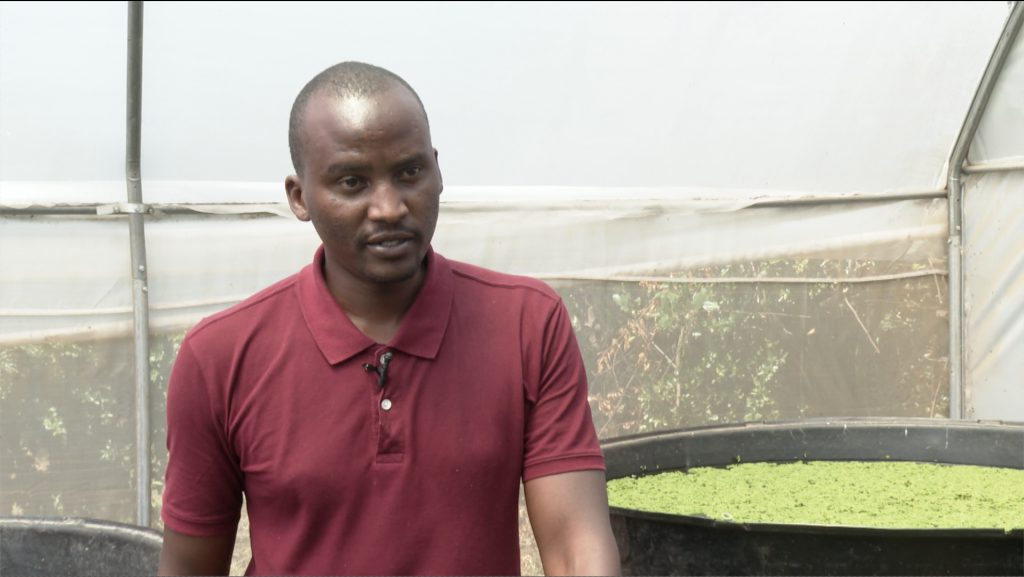
“My own journey into azolla farming began as a response to rising poultry feed costs, which were significantly eroding my profit margins.” He however says that the results with his first trial of farming azolla were both immediate and encouraging.
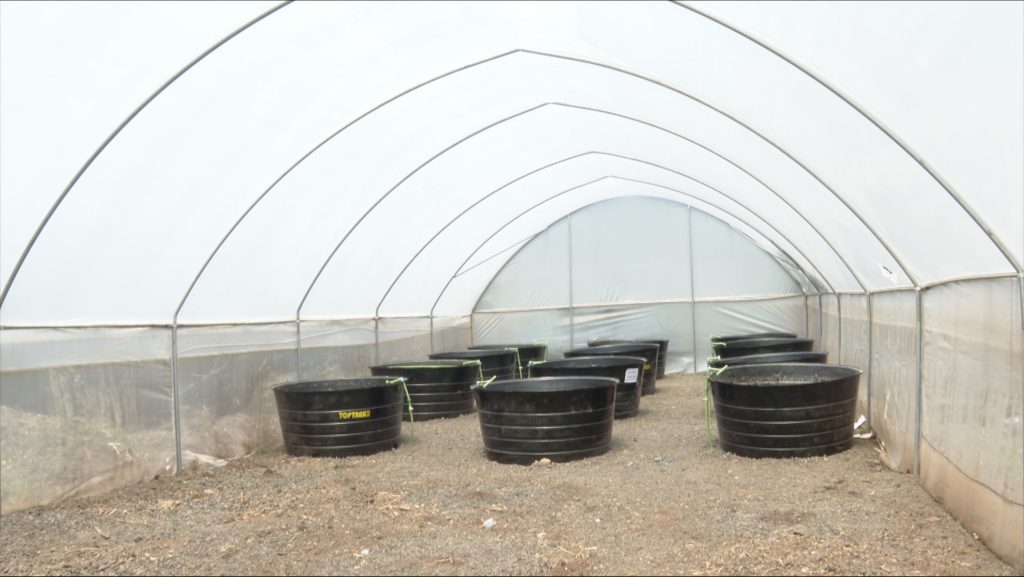
Azolla can replace between 15 and 30 percent of conventional livestock feed, reducing feed costs by as much as 20 to 50 percent depending on the level of adoption and current market prices. In more integrated systems, farmers report overall cost reductions of 30 to 40 percent when feed and fertilizer savings are combined, alongside steady improvements in farm income. This efficiency stems from azolla’s dual role, providing both nutrient-rich feed and nitrogen for crop production. Initially, he says, “I cultivated azolla in open ponds. However, inconsistent rainfall posed a challenge, as the ponds would occasionally dry up due to evaporation. This made me transition to greenhouse-based production, which has proven more reliable and productive. Today, I integrate azolla farming with aquaculture, creating a mutually beneficial system.”
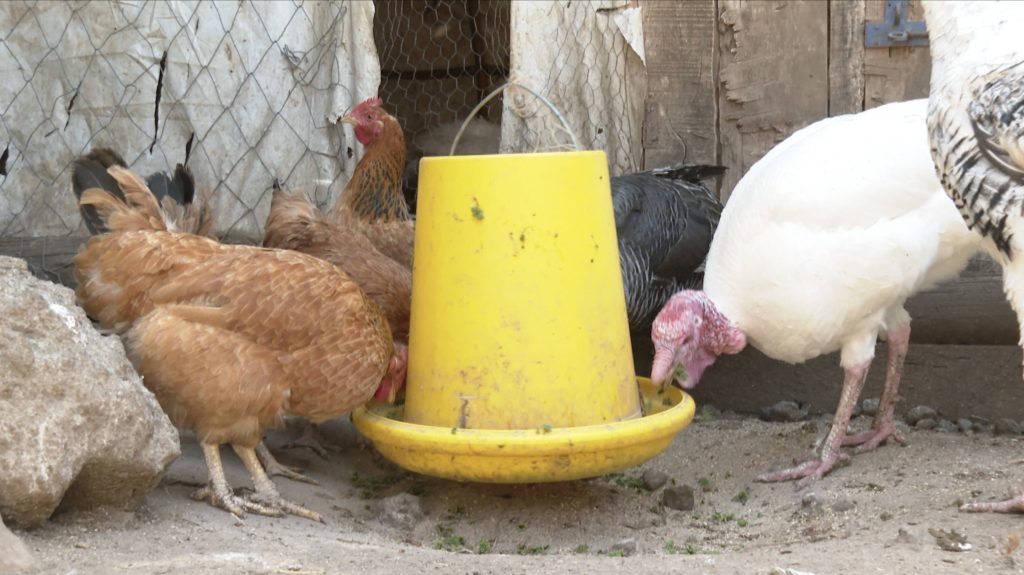
He however cautions against growing azolla in ponds stocked with tilapia as the fish readily consume it. Instead, he recommends pairing azolla with catfish, which are carnivorous and do not feed on the plant. In such systems, fish waste provides ammonia helping to maintain the lush green growth of azolla. For farmers without fish ponds, he suggests using fresh cow dung, preferably two days old, where it is mixed into a slurry and added to the water to support healthy cultivation of azolla.

Beyond feed production, Mwangi has expanded into organic fertilizer manufacturing. “I combine azolla, organic waste, manure, and nutrient-rich water from fish ponds. The mixture decomposes in about 20 days to produce high-quality fertilizer.” He says that this product has contributed to yield increases of up to 33 percent, particularly in maize and potato farming.
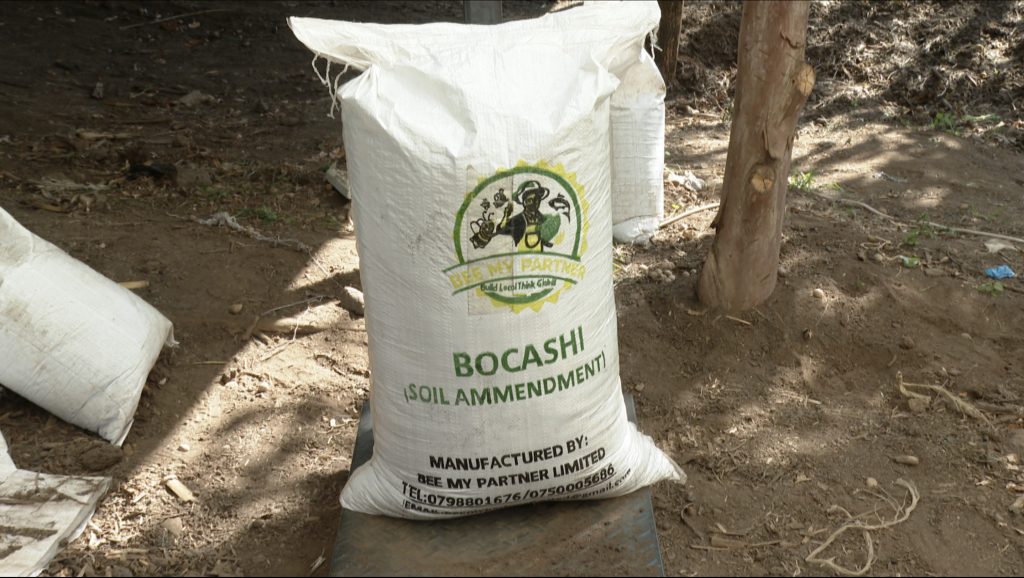
He currently sells the organic fertilizer at Ksh 2,000 per 50 kilogram bag, positioning it as a more affordable and sustainable alternative to synthetic fertilizers, which can retail at around Ksh 6,000 per bag. Beyond immediate cost savings, he emphasizes the long-term benefits of organic inputs, noting that consistent use improves soil health and gradually reduces the need for repeated fertilizer application.
He also highlights the suitability of organic fertilizers for horticultural production, especially for export markets where strict sanitary and phytosanitary standards must be met. He notes, “Adopting a circular agricultural model not only enhances efficiency but also strengthens resilience which will enable farmers to better navigate challenges such as climate variability and rising input costs.”
At the core of his work is a commitment to agroecology, an approach that aligns farming practices with natural systems. He believes that circular innovation offers practical solutions to some of the most pressing challenges in agriculture today, including climate change, food insecurity, and unsustainable production models. By diversifying and integrating farm enterprises, farmers can maintain productivity throughout the year.
In addition to his on-farm activities, he is actively involved in training young people in circular agriculture and agribusiness entrepreneurship. Through these efforts, he aims to create at least 400 decent jobs by 2027, contributing to both rural livelihoods and the broader agricultural economy. Azolla farming demonstrates how simple, nature-based innovations can deliver meaningful impact across the agricultural value chain. By lowering production costs, improving soil health, and enhancing farm productivity, it offers a practical pathway for smallholder farmers to build resilient and profitable enterprises.
Integrating feed production, fertilizer generation and water reuse within a circular system not only strengthens farm sustainability but also addresses broader challenges of food security, climate change, and rural employment. The continued adoption and scaling of such approaches will be critical in shaping a more sustainable and inclusive future for agriculture.
Azolla farming stands out as a scalable, resource efficient practice, one that reflects a broader shift toward resilient and regenerative food systems, helping farmers reduce cost, increase efficiency and make income.