An agricultural training program shifted a farmer from vegetable production to sage farming.
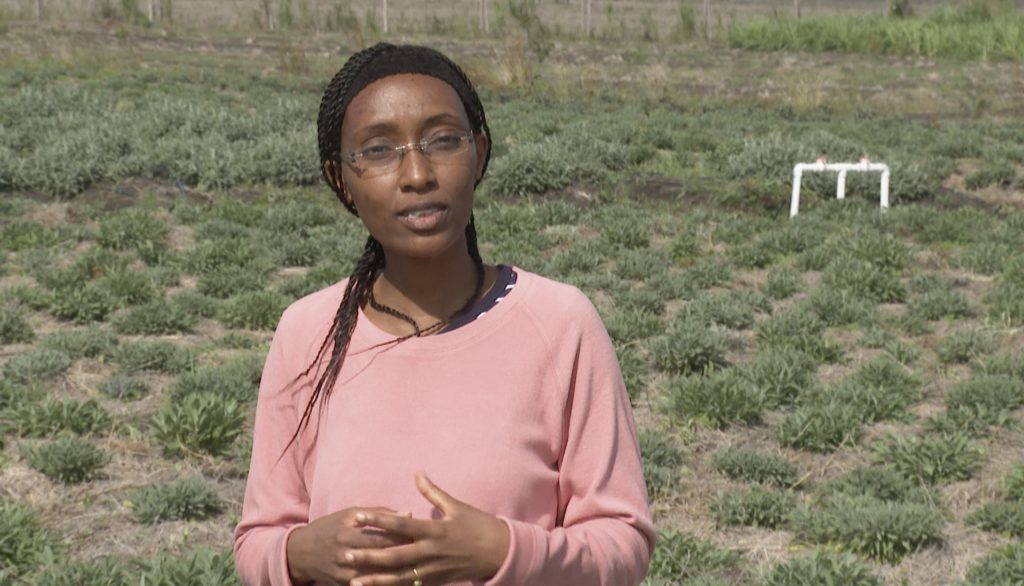
“I began my farming career with vegetable production, focusing on crops such as onions.However, after attending an agricultural training session, I was introduced to herb farming. Drawn by the nutritional and economic potential of herbs, I decided to venture into sage cultivation.”Grace Muchai, an organic herb farmer specializing in sage, shares her journey into sage farming.
Grace Muchai – Organic Sage FarmerSage farming is an emerging agribusiness in Kenya and across parts of Africa, though it remains largely untracked in national agricultural statistics such as the Kenya National Agriculture Production Reports.
Globally, the sage market is expanding steadily and is projected to exceed $5 billion by 2028. This growth is driven by rising demand for natural ingredients in health supplements and food products. While conventional sage remains widely used due to its affordability, demand for organic varieties is increasing, reflecting a broader shift toward sustainability and wellness.
Sage, a Hardy and Aromatic Perennial Herb
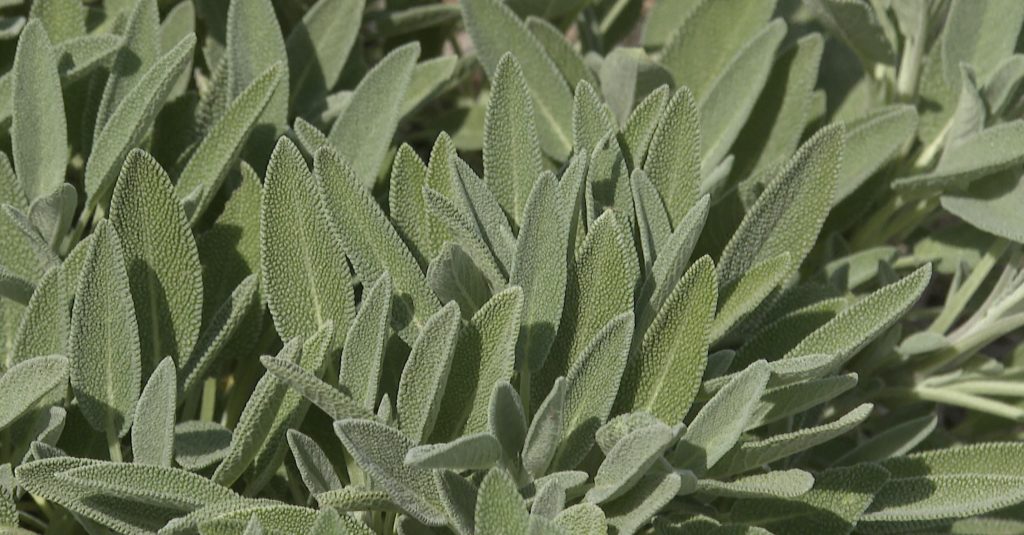
Sage is a low-maintenance perennial herb cultivated for its aromatic leaves, which are used in culinary applications either fresh or dried. Essential oil extracted from its leaves or flowers is commonly used to flavor beverages and produce perfumes. The plant typically grows 40–70 cm tall and can be harvested 3–4 months after planting. Productive plants are usually maintained for 4–5 years before replacement.
“Successful sage farming begins with proper soil management,” Grace Muchai says. Soil testing is a foundational step. Understanding the soil’s composition, identifying deficiencies, and making the necessary adjustments allows farmers to make informed decisions and operate from a position of strength.
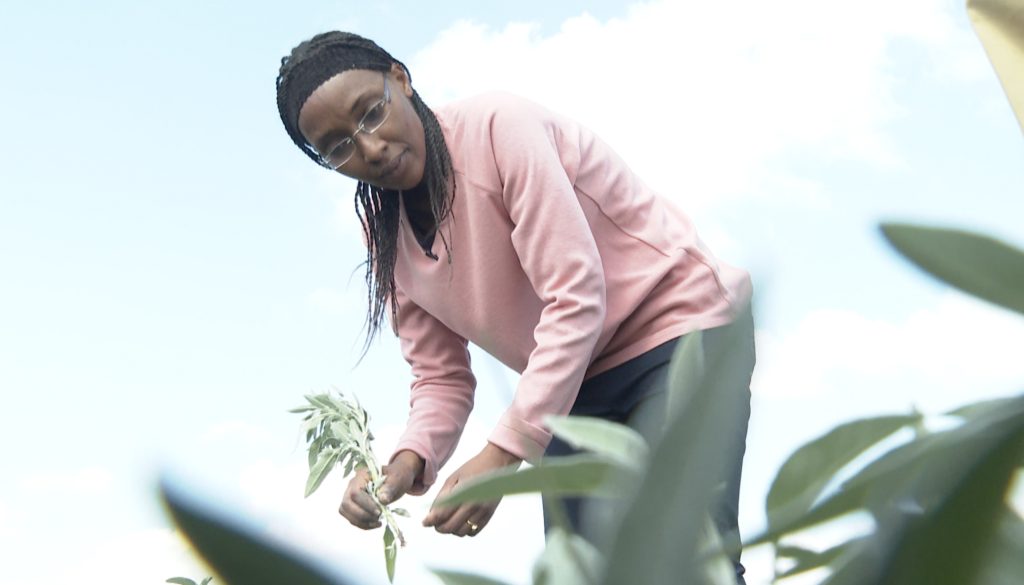
Grace Muchai Scouting her Sage Crop
“A smart farmer prioritizes building healthy soil rather than focusing solely on the crop, as fertile soil ultimately sustains plant growth,” she emphasizes. Muchai highlights the need for efficient farm operations, noting that proper resource planning and organization are key to simplifying farm activities. Additionally, she advises farmers to approach sage farming as a long-term investment rather than expecting immediate returns. She mentions one must invest in having systems like irrigation and human resources, insisting that having a good team onboard is essential and having the right technical support is key.
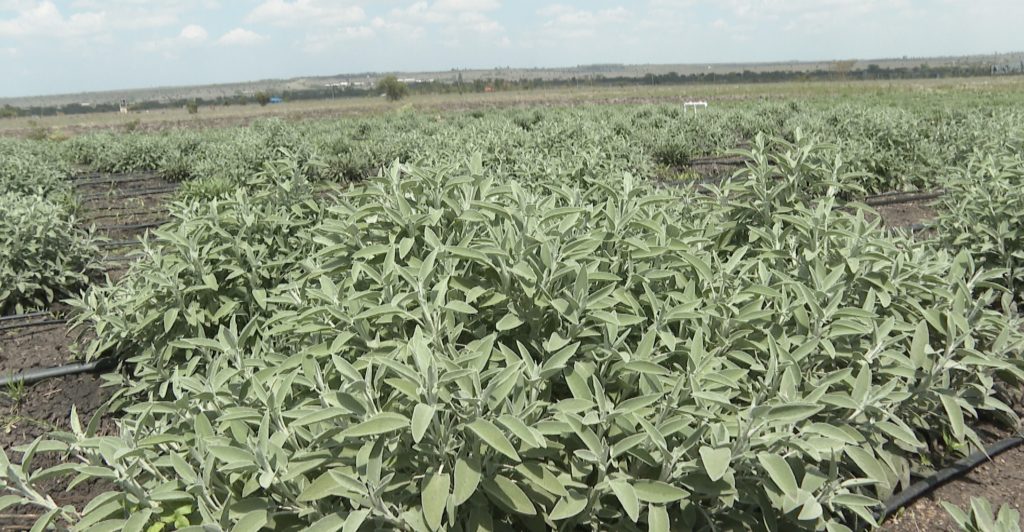
Muchai propagates her sage using either seedlings or cuttings. She sources seedlings from reliable propagators, while she obtains cuttings from mature mother plants. These cuttings are taken from rooted suckers along the main stem. For optimal growth, she recommends spacing the plants 60 cm between rows and 45 cm between plants to ensure adequate room.
“Farm management plays a critical role in achieving high yields. Daily scouting is essential to monitor plant health and detect any potential challenges early. Once an issue is identified, timely intervention is necessary to prevent losses. “Maintaining healthy, disease-free leaves is particularly important, as this directly affects the crop’s quality and productivity,” she said.
A Thriving Sage Farm
As an organic farmer, Muchai says, “I do not use synthetic fertilizers. Instead, I invested in a vermiculture unit, producing organic fertilizer from decomposed organic matter. This approach not only supports sustainability but also significantly reduces input costs.”
She also embraces a balanced approach to weed management. While many farmers aim to eliminate all weeds, Muchai recognizes that some can be beneficial.
For instance, she allows Mexican marigold to grow on her farm due to its natural insect-repellent properties. To further manage pests, she prepares a natural spray by mixing chili, ginger, and Mexican marigold with water, which she applies to her sage plants.
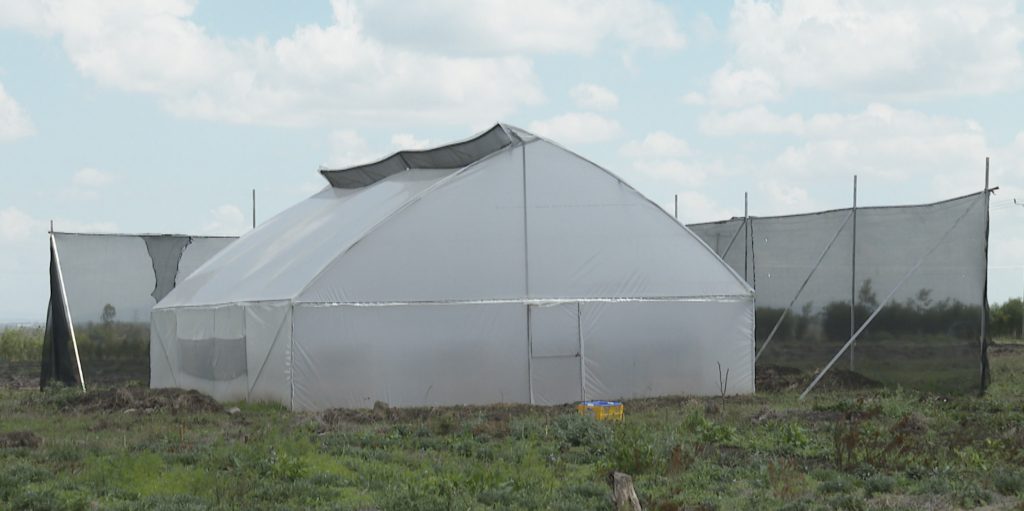
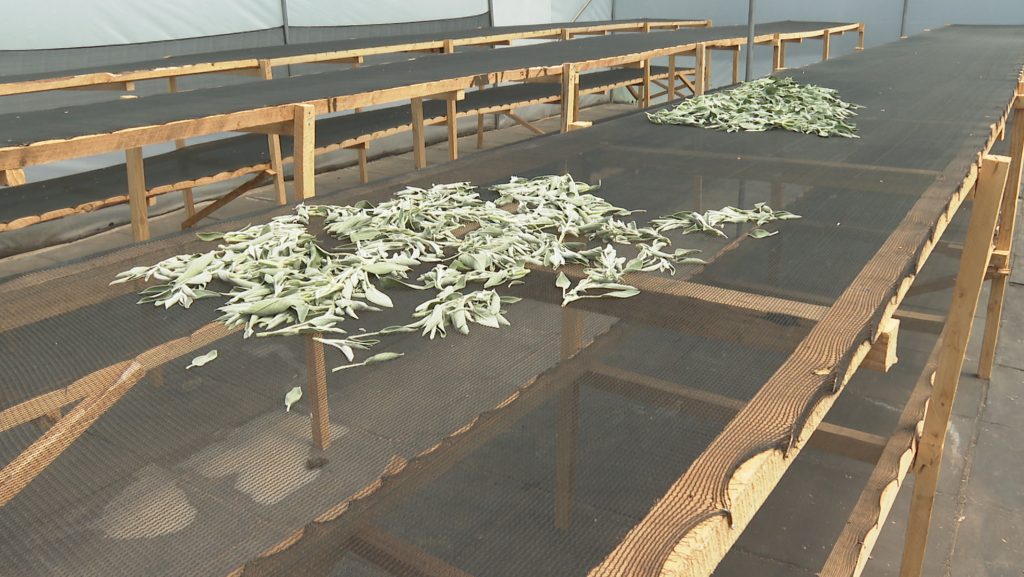
Transitioning into organic sage farming has proven to be a turning point for her business. She recalls investing in a solar dryer after her first harvest to add value to her produce. Drying the sage not only extends its shelf life but also opens up more market opportunities compared to selling fresh herbs alone. At the same time, she balances her income streams by selling fresh sage for quicker returns, which helps maintain cash flow and supports reinvestment in the farm.
Solar Dryer for Value Addition
Looking ahead, she is exploring export markets, noting that organic produce meets the strict sanitary and phytosanitary standards required by international buyers. The absence of synthetic pesticide use gives her a competitive advantage in these markets.
Grace Muchai concludes that sage farming is a profitable and empowering venture for farmers. She encourages others to explore it, emphasizing that with the right knowledge, commitment, and sustainable practices, it can provide both economic and environmental benefits.
Sage drying at the solar dryer
Sage farming presents a valuable opportunity to advance sustainable agriculture in Africa by combining health, economic, and social benefits. As a medicinal herb, sage supports wellness through its natural healing properties and offers farmers a high-value crop with growing market demand. Its cultivation can boost incomes through value addition and access to local and export markets.
Sage farming creates pathways to empower women and youth by promoting entrepreneurship, job creation, and financial independence. Overall, it stands out as a practical and inclusive approach to strengthening rural livelihoods and agricultural development across the continent.
Lorem ipsum dolor sit amet, consectetur adipiscing elit. Ut elit tellus, luctus nec ullamcorper mattis, pulvinar dapibus leo.