
From Farm to Landfills: How Are We Mapping Global Food Waste Crisis & How Are We Fixing It?
According to IGAD’s recent report on food crises (16th September 2025), an estimated 42 million people face high levels of acute food insecurity across six member states, i.e., Djibouti, Kenya, Somalia, South Sudan, and Sudan. Previous data shows that this number has tripled in recent years, rising from 13.9 million in 2016 to 41.7 million in 2025. This trend is alarming, given the region’s growing population and the unsustainable efforts required to achieve a food-secure Africa by 2030.
As a continent, urgent measures are needed to strengthen food sovereignty and ensure the realization of Sustainable Development Goal 2: zero hunger. Achieving this will require creating and amending policies, building strong systems, and fostering collaboration among stakeholders to support agricultural growth and establish sustainable food value chain systems.
This year’s International Day of Awareness of Food Loss and Waste carries the theme “Climate Finance for Food Loss and Waste.” According to the FAO, around 733 million people globally face hunger, while 2.33 billion, about 29% of the world’s population, are food insecure without regular access to nutritious meals. These numbers could rise further without immediate action to address food wastage and strengthen systems to minimize losses from farms. Alarmingly, one-third of the food produced worldwide never gets consumed, translating to at least 1.3 billion tons of food wasted annually across the food supply chain.
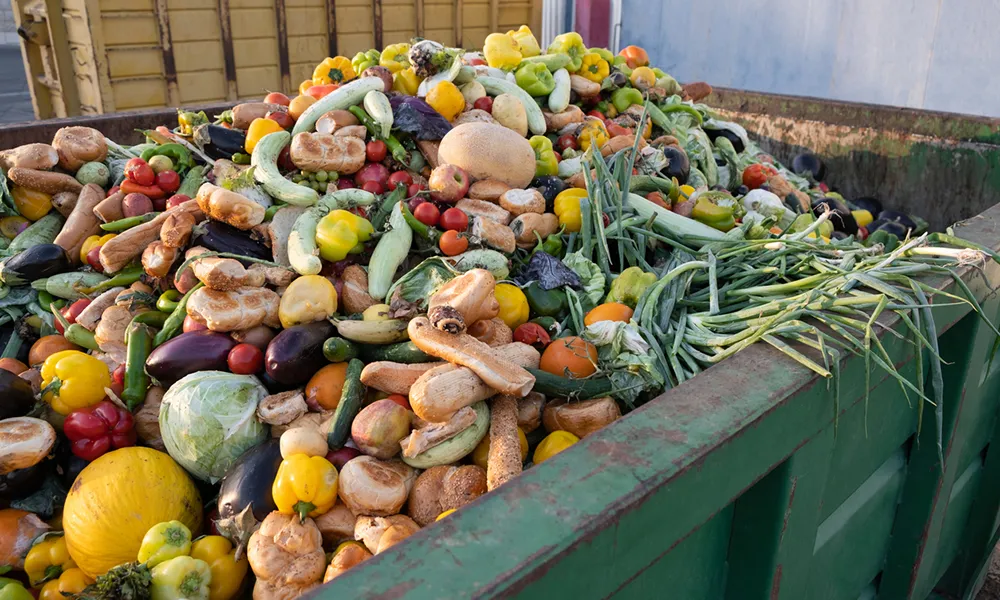
While much attention is given to food waste at the retail and consumer levels, less emphasis is placed on losses during harvesting, particularly in developing nations, especially in Africa. This overlooked crisis is costing the world heavily and demands urgent solutions. Reducing waste not only sustains human lives but also ensures equitable access to healthy and affordable food globally.
Food waste is also a serious environmental threat. When dumped in landfills, it emits methane gas, a greenhouse gas with 28 times the global warming potential of carbon dioxide, according to the EPA. The UN estimates that food waste contributes 8–10% of total agrifood system emissions, directly fueling climate change. If food waste were a country, FAO notes, it would be the world’s third-largest emitter of greenhouse gases after China and the United States. Beyond landfill emissions, wasted food represents unnecessary transport emissions, energy use in storage, and fuel consumption by farm machinery. Every instance of food waste means avoidable pollution, with no benefits, only harm.
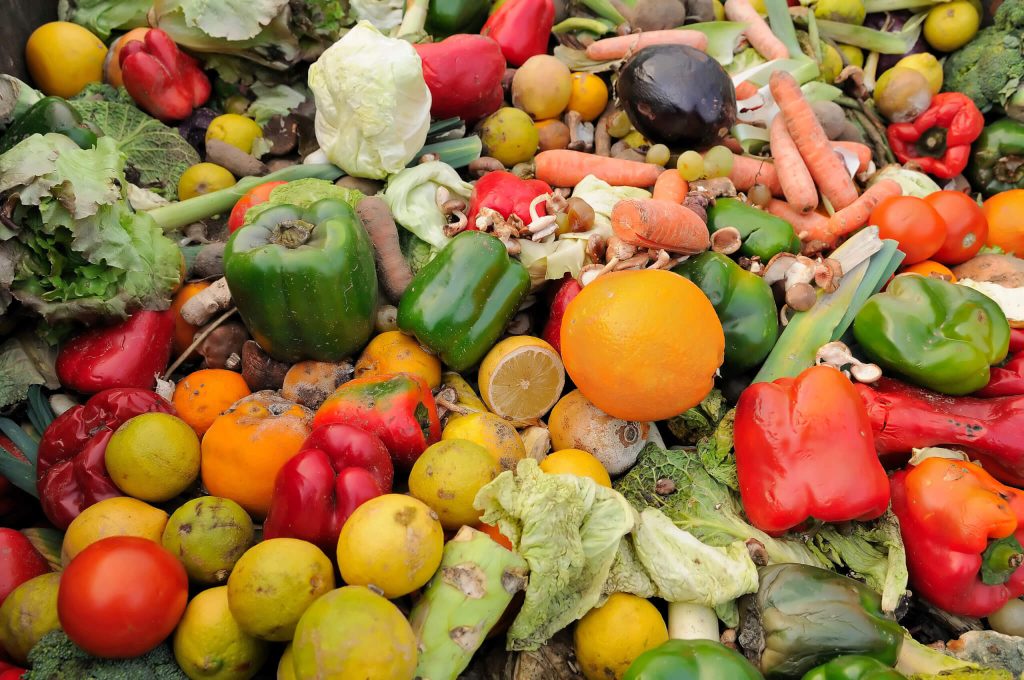
African countries must therefore improve post-harvest handling and storage methods to minimize losses. Controlled farming can reduce overproduction and support better planning so that crops are grown where markets already exist. At the household and hospitality levels, individuals can reduce waste by purchasing only what is needed, making shopping lists, and adjusting meal plans. Repurposing food, such as turning overripe fruits or excess vegetables into fermented, frozen, or dried products, prolongs shelf life. Value addition and proper storage further reduce spoilage, while surplus retail food can be donated to organizations and institutions. Governments can also play a transformative role by supporting food redistribution initiatives and championing policies that ensure nutritious, balanced diets for all citizens that tackle both hunger and malnutrition.
Globally, intentional action is required to establish policies and financing frameworks that channel climate funds into projects tackling food loss. Cold storage facilities, processing hubs, composting programs, capacity building programs to strengthen food system resilience, and circular economy initiatives that recover resources are critical examples. A systematic approach is needed to build sustainable agrifood systems by addressing the full value chain from production to consumption. This calls for coordinated investment in infrastructure, technology, policy frameworks, and capacity building. Done right, these measures can reduce losses, recover resources, cut emissions, create jobs, and strengthen food security while enabling climate-smart returns.
As we mark the International Day of Awareness of Food Loss and Waste, one truth stands out: every investment in reducing food waste is an investment in safeguarding our planet’s future. Preventing even one-third of the world’s food from going to waste would significantly combat climate change, hunger, and economic inefficiency. Achieving this requires strong collaborations, scaled-up solutions, and climate financing mechanisms that recognize food systems as essential climate infrastructure deserving the same attention as renewable energy and sustainable transport.
Our climate, food security, and collective future depend on bold decisions to stop wasting what we already have.
I’m interested in this important updates from your organisations to guide and protect me to improve on my plan towards agriculture.
Hello Idrissa, we appreciate your interest and pleased to learn of your enthusiasm for agriculture and your desire to enhance your agricultural endeavors.
Please anticipate further updates as we provide valuable insights, narratives, resources, and event information from across Africa, designed to support your agricultural planning.
In the interim, we recommend following our social media channels for timely updates. Thank you
Dear team,
This is an amazing article.
My interest has been directed to how articulately it emphasizes post-harvest data and losses in Africa, and specifically Kenya, where I am an avocado, tea leaves and short term vegetable garden small scale farmer, farm input or farm harvest loss data is not measured because of several challenges including maintenance of records.
That’s why I decided to do something.
This year, I developed a prototype software tool online that records farm inputs, farm harvests and farm losses and stock movement to trace my farm losses.
In addition, I created it in such a way that I am now able to records employees casual labourers and on their gender,age,ability/disability, refugee status and basic contact details.And I can also create a quotation,invoice and credit note.
The prototype tool can now produce daily harvest performance per employee, per far, per gender, per age, refugee status and even on whether they are persons with disability.The reports are optional – graph oriented or list oriented.And best of all, I can set the beginning and ending date range.
However, I need to scale it up and make it more user-friendly because I have tested it with a few farmer friends and have made an initial assessment report on the results.
Therefore, if you are aware of any person or organization who wishes to walk with me (and probably help fund the improvement), feel free to contact me.
Hello Eddie. Thank you, for reaching out about your innovative software.
We welcome the opportunity to learn more about how your product can benefit the agricultural sector. For a formal review and discussion, please send your full proposal and details to our primary contact address: info@africafarmingjournal.org
In the meantime, stay current with farming trends and news from across the continent by following us on our various social media platforms. Thank you
TGreat article on this issue of fiid loss and waste. As we look at national and global interventions, each of us must reflect & ask what they are doing at household level on FL&W and purpose to improve. Well done Africa Farming Journal!
Dear Wanjiru,
Great point. You are absolutely right! While national strategies are important, true progress on Food Loss and Waste ultimately depends on the reflection and commitment to improve at the household level. Thank you very much