
At the fertile highlands of Kiambu County, in Lari Constituency, we meet a progressive and diversified farmer, George Muturi, founder of Comfort Worms and Insects. His work reflects a modern approach to agriculture, combining livestock and sustainable soil management practices. On his farm, he rears pigs, poultry, fish, and black soldier flies, alongside vermiculture, an enterprise focused on breeding worms to produce organic fertilizer. Through this integrated system, Muturi demonstrates how agricultural waste can be transformed into valuable inputs, effectively turning what is often discarded into a resource that supports soil health and food production.
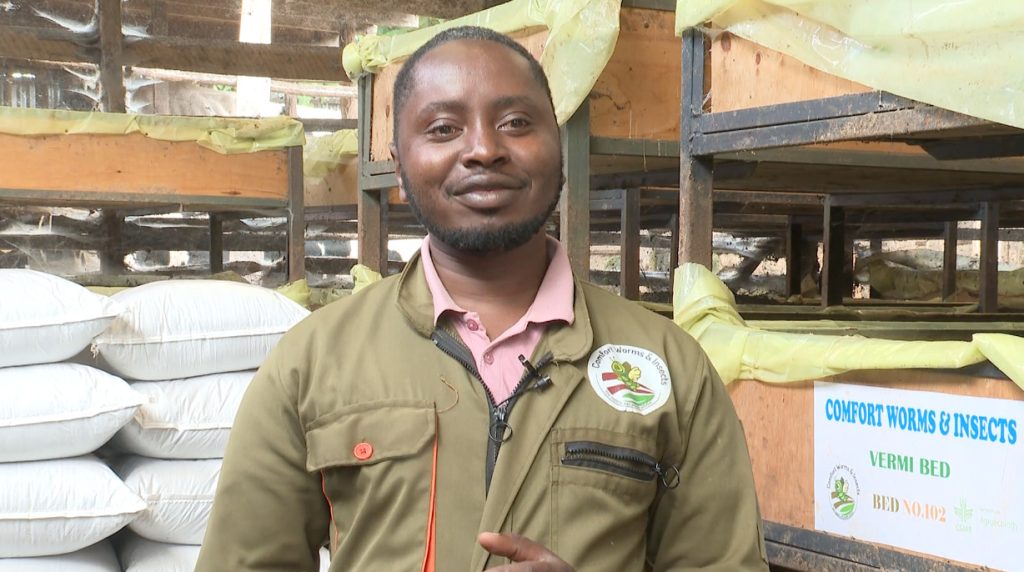
Muturi began his journey in vermiculture farming in 2014. Like many early stage agripreneurs, he encountered significant challenges. Limited access to capital constrained his ability to expand, while social perceptions within his community presented an additional barrier. He recalls being labelled the “worm guy,” a reflection of the limited understanding of vermiculture at the time. Despite these setbacks, he remained committed to his vision. A major turning point came when he participated in an agribusiness support program backed by the European Union and the Danish Embassy. This initiative provided not only financial and technical support but also a structured framework that enabled him to professionalize and scale his operations.
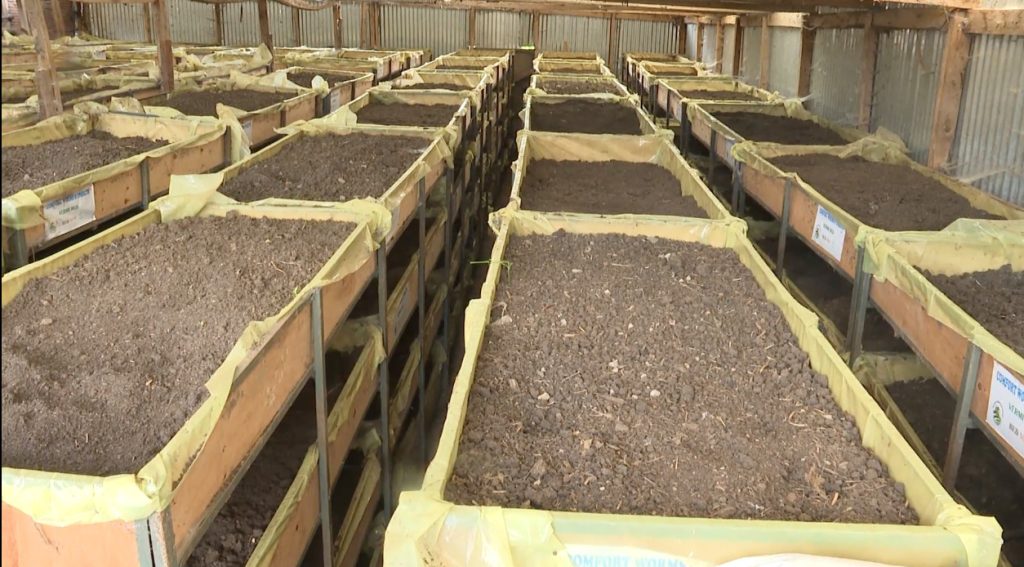
To better understand vermiculture, Muturi explains that it is both a science and a disciplined practice. Successful worm farming requires more than simply placing organic waste in a pile. It demands controlled conditions, including proper structures and systems. According to him, maintaining the right environment is critical for producing high quality vermicompost. For instance, organic waste with high acidity, such as citrus peels, can disrupt the pH balance of the worm bedding. Similarly, fresh chicken manure, though rich in nutrients, generates excessive heat due to high nitrogen content, which can harm the worms before the composting process stabilizes. These technical considerations highlight the importance of knowledge and careful management in achieving consistent results.
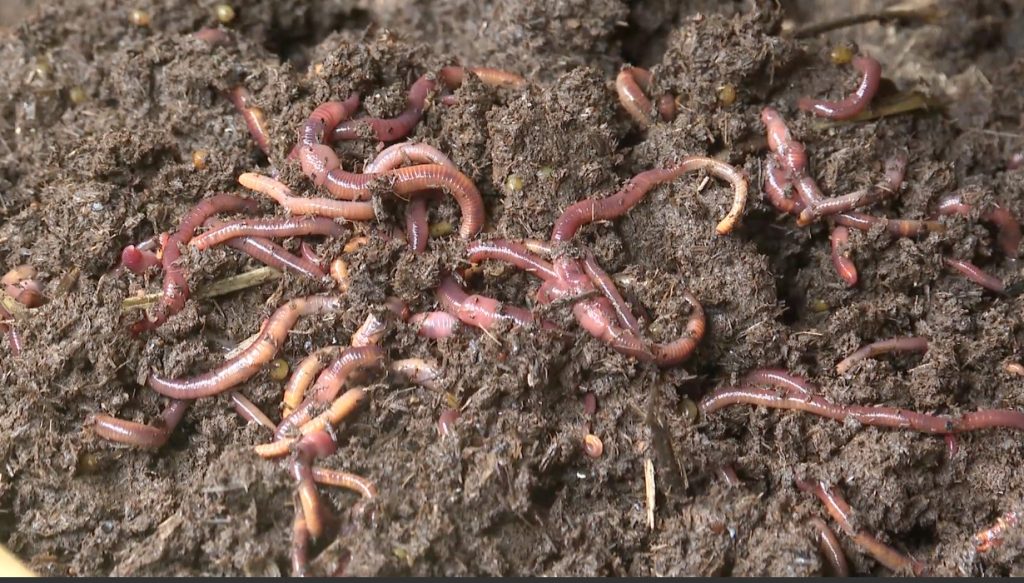
Within the broader horticulture sector across Africa, there is a growing demand for organic inputs. Muturi strongly advocates for organic fertilizers, noting that they are richer in nutrients, environmentally sustainable, and better suited for long-term soil health compared to synthetic alternatives. He observes that many farmers focus on producing vermiliquid during composting, often driven by market trends. However, his approach prioritizes solid vermicast. He maintains that solid castings are more effective in improving soil structure and fertility over time, offering lasting benefits rather than short-term gains.
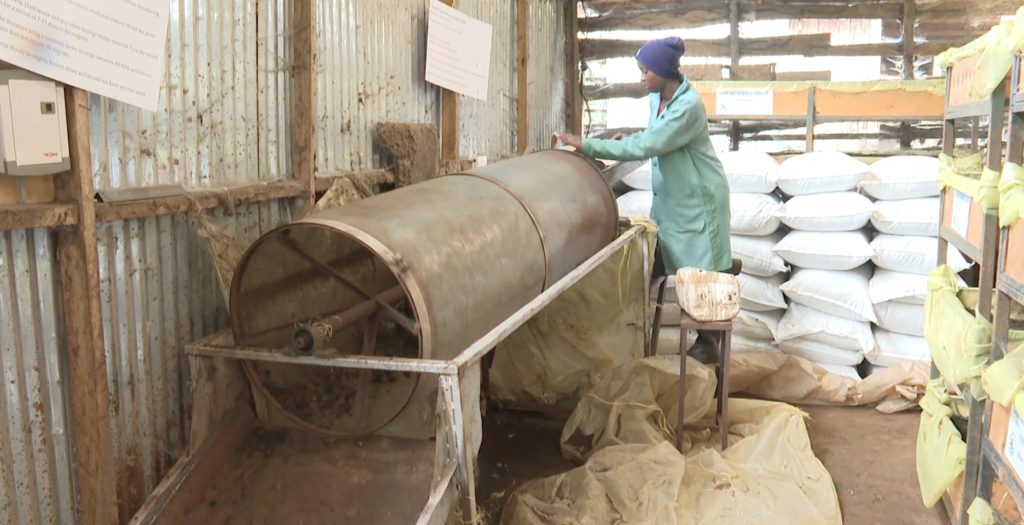
Muturi’s vermiculture facility reflects a high level of organization and efficiency. The composting units are well-designed to protect the worms and optimize production. However, he emphasizes that the enterprise requires daily attention and close monitoring. Environmental factors must be managed consistently to maintain productivity. This level of dedication illustrates that while vermiculture offers promising returns, it is not a passive activity but one that demands discipline and technical understanding.
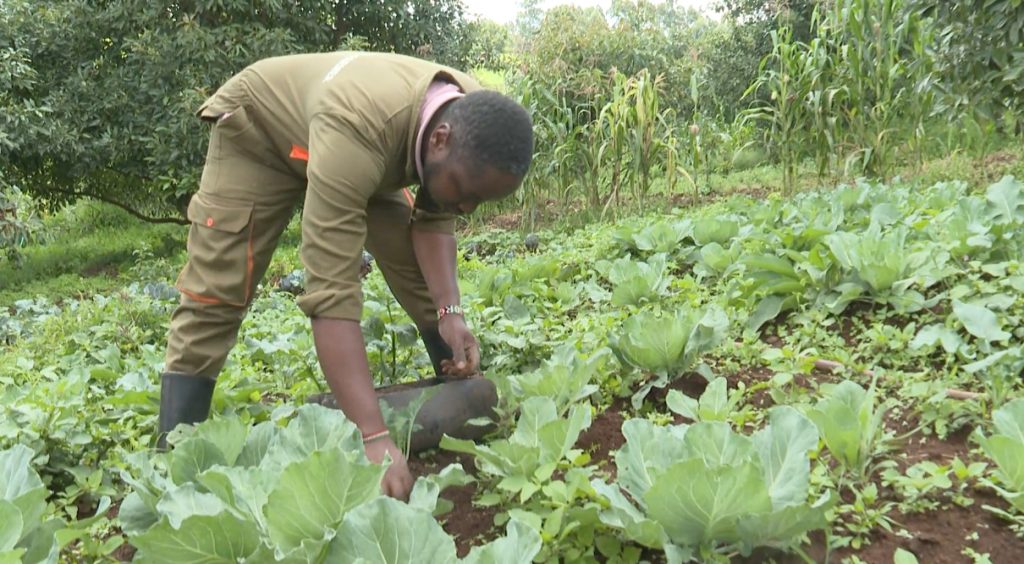
Beyond production, Muturi’s work provides insight into agriculture as a viable commercial venture. His experience demonstrates the potential for investment, value addition, and market growth within sustainable farming systems. He is particularly keen on inspiring young people to consider vermiculture as a business opportunity. Looking ahead, his company aims to expand regionally by decentralizing bio-fertilizer production and establishing a network of youth-led vermiculture hubs across the country. This vision aligns with the broader goal of creating inclusive agricultural value chains.
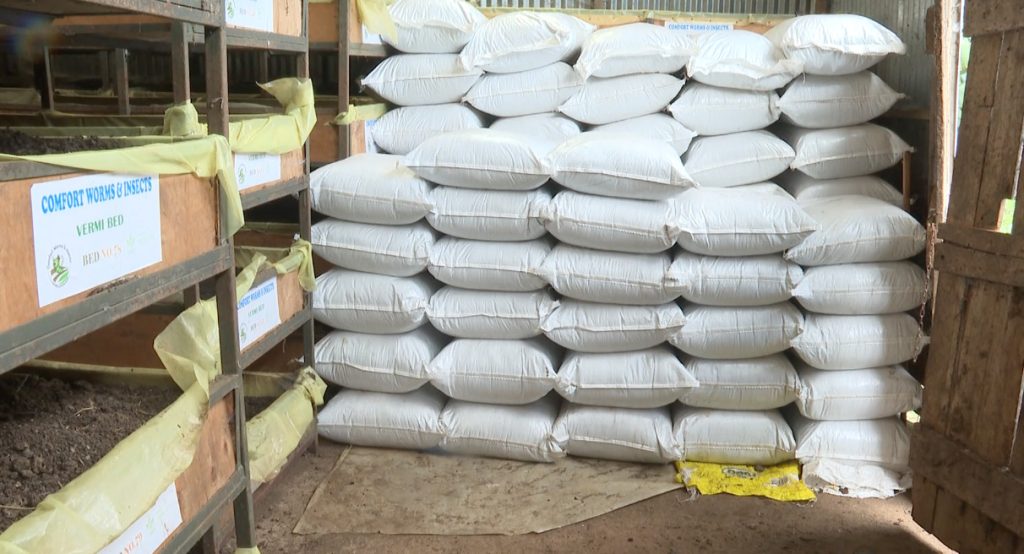
Vermiculture offers significant environmental and socio-economic benefits. Environmentally, it supports waste recycling, reduces reliance on chemical fertilizers, and enhances soil health, which is essential for sustainable food systems. Socio-economically, it creates employment opportunities, especially for youth and women, while providing farmers with affordable and effective soil inputs. Across Africa, where agriculture remains a key economic sector, vermiculture presents a practical pathway to bridge sustainability and profitability. With the right knowledge, investment, and support systems, it holds strong potential to transform livelihoods and contribute to resilient agricultural development.