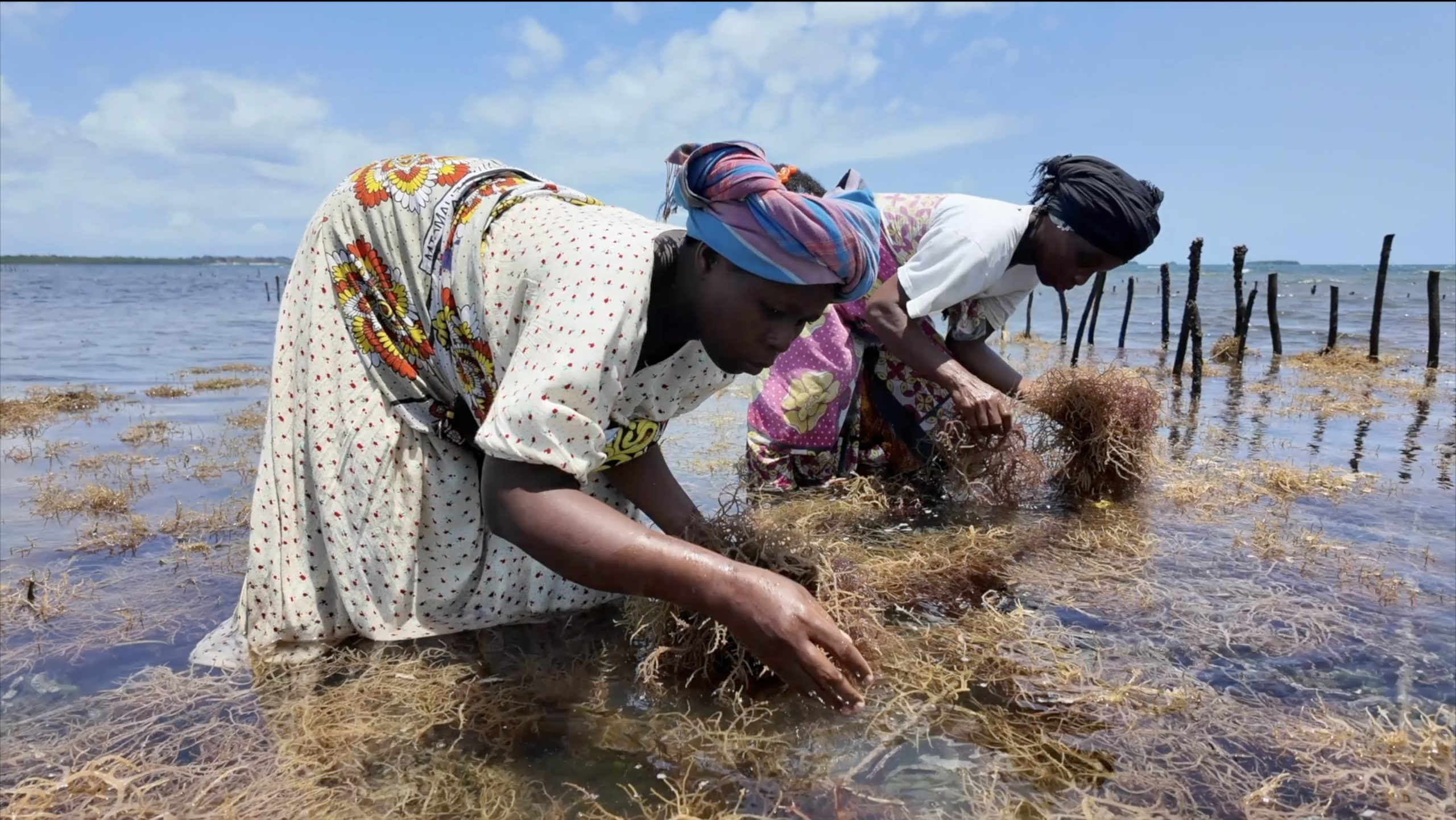
In the cool waters off Kibuyuni village, Tima Mwalimu shares that what started as a desperate bid for income has rebuilt her home and paid her seven children’s school fees, proof that Kenya’s seaweed farmers are rewriting their destinies, one harvest at a time.
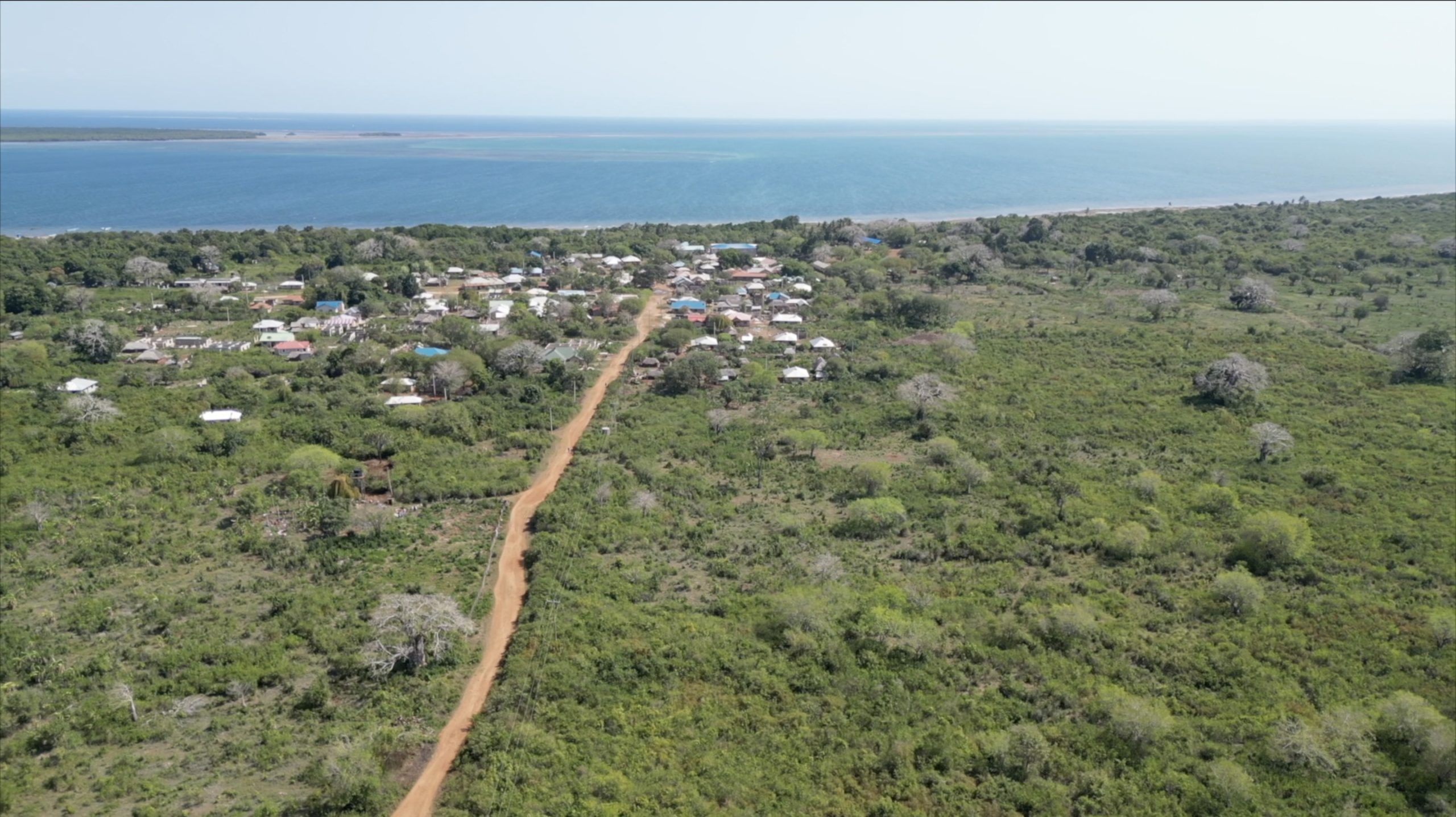
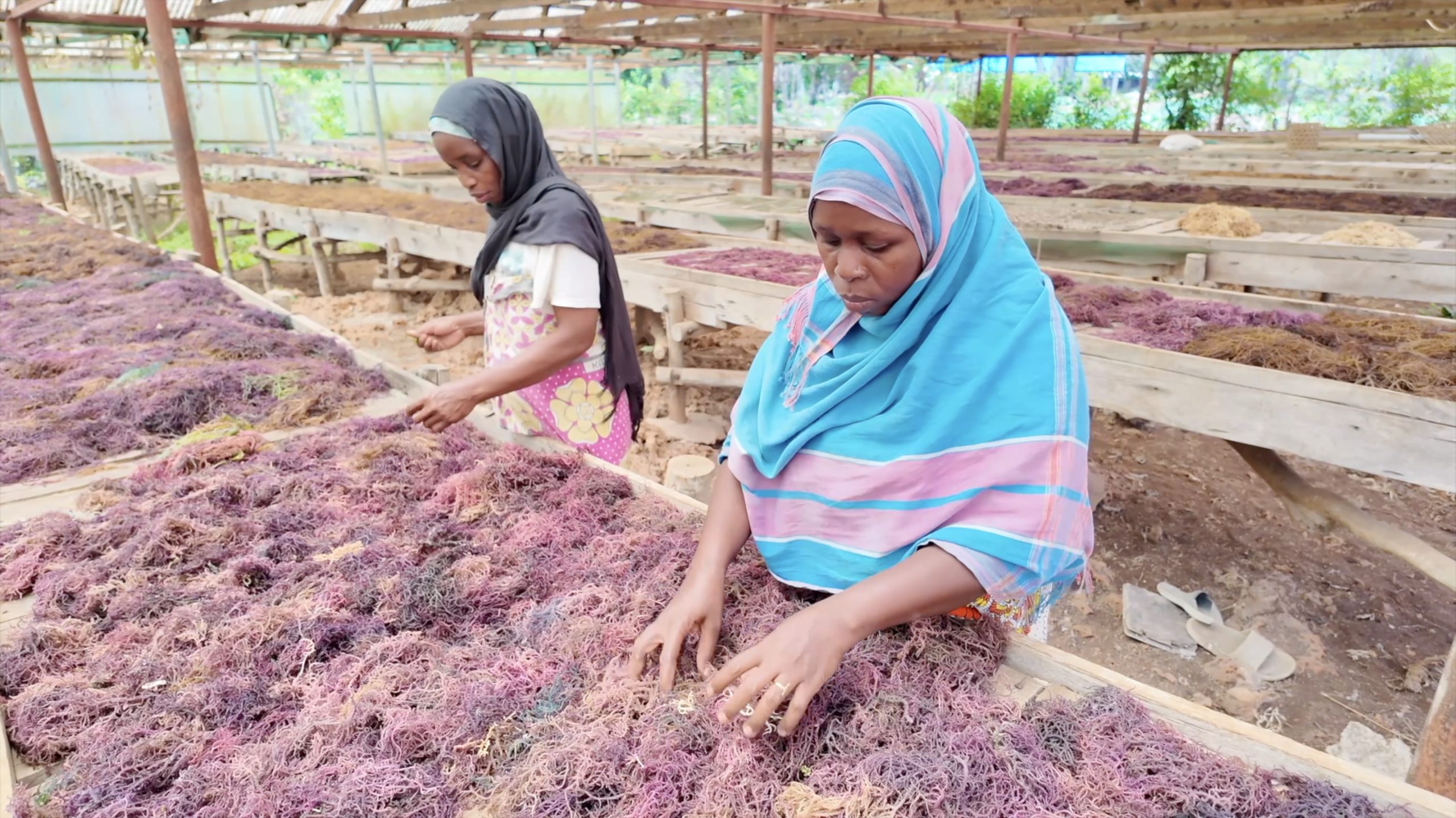
Seaweed farming along Kenya’s coast traces back to 1986, when chemists ran experimental trials in Gazi Bay, around the same time Tanzania kicked off its industry. Markets stalled Kenya’s efforts then, but by 2008, Kibuyuni became the revival hub, sparking a blue economy now spanning over 20 villages. Today, about 1,020 farmers, mostly women and youth tend two key species: Eucheuma denticulatum (Spinosum) and Kappaphycus alvarezii (Cottonii), selected for their fit to local ecosystems.
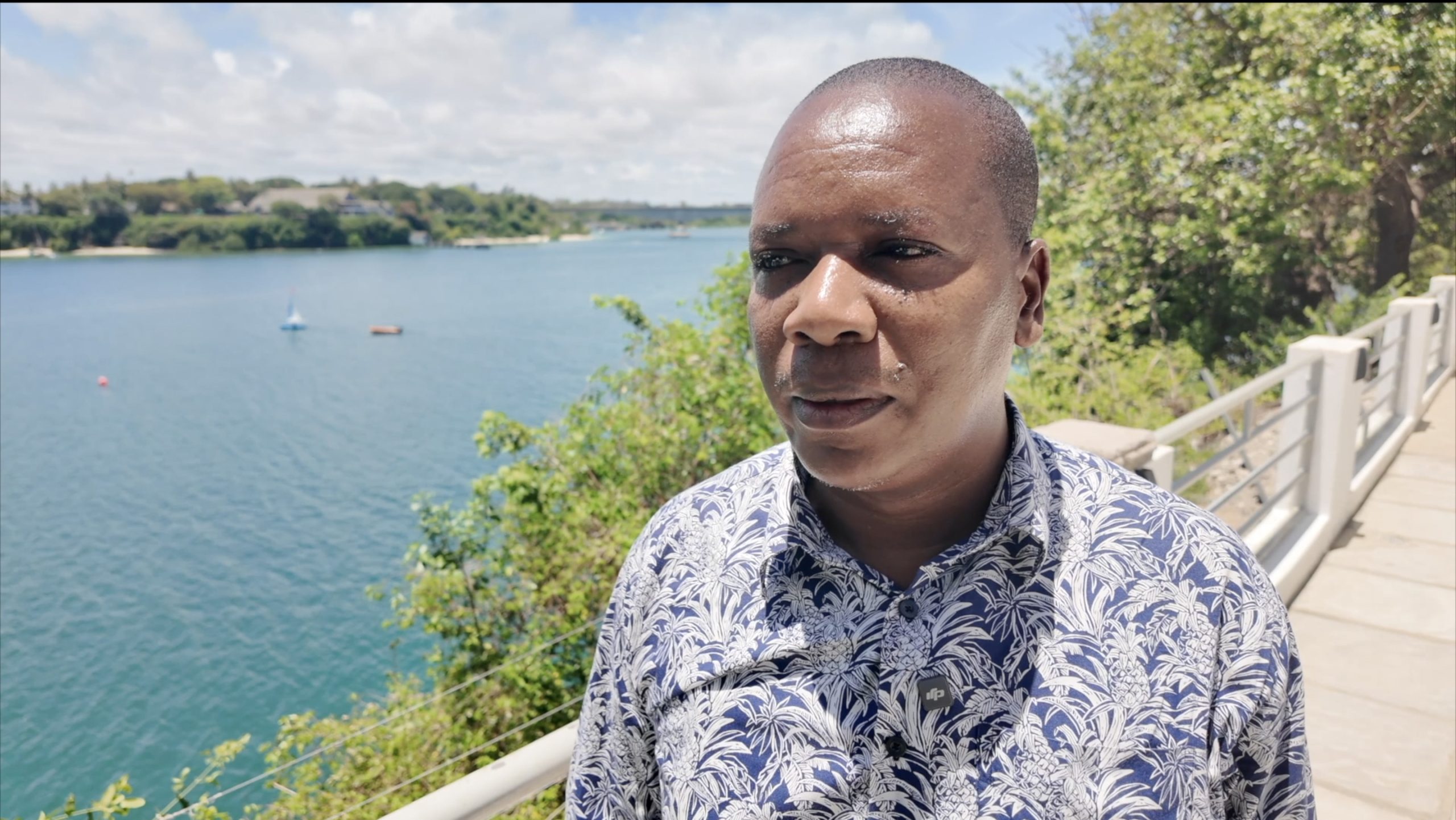
Dr. David Mireira, principal marine scientist at the Kenya Marine and Fisheries Research Institute (KMFRI), credits precise biology for this growth. “You’re managing an ecosystem, not just planting,” he says, noting research into more species to expand farms northward to Lamu.
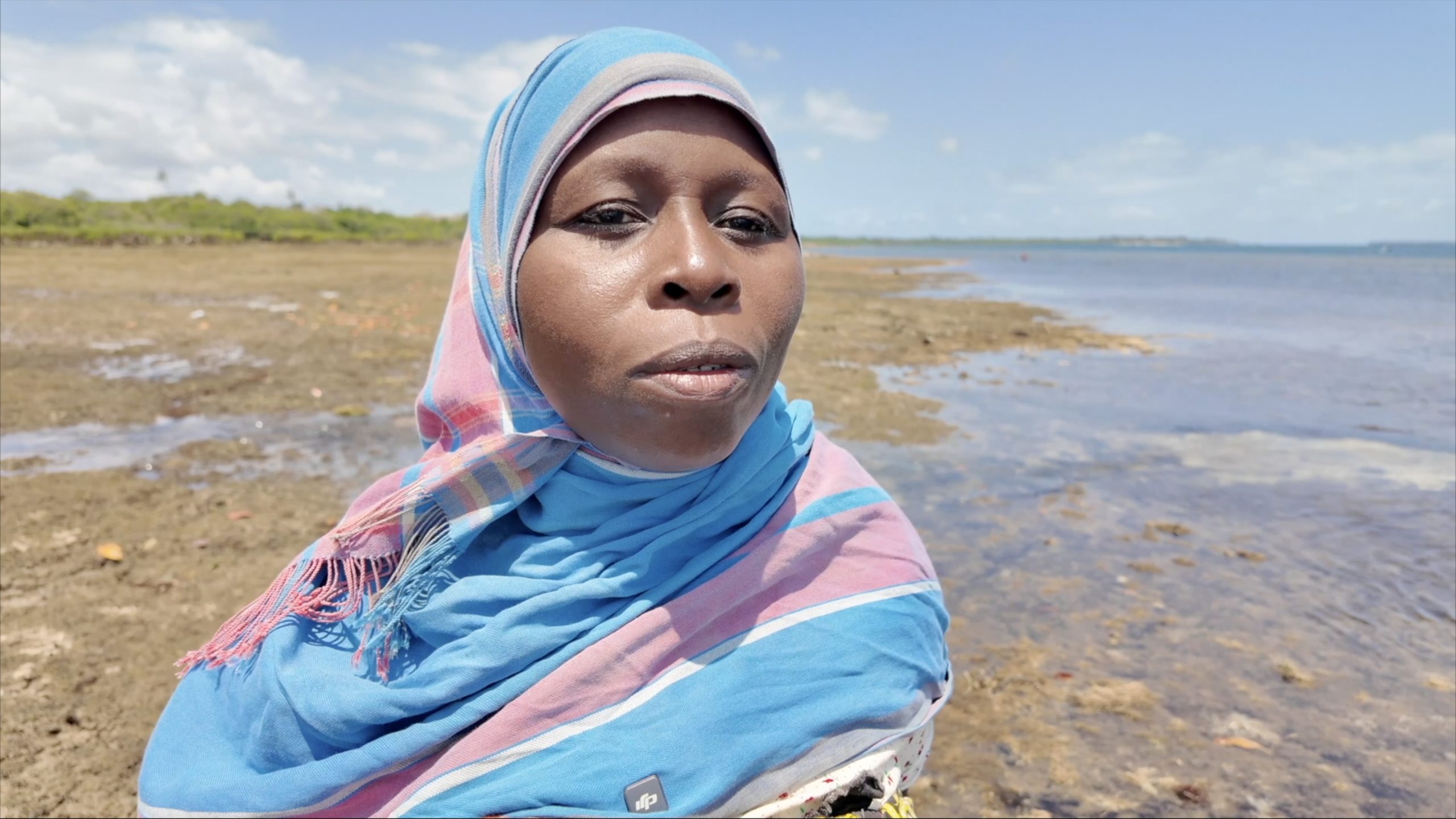
With men dominating deep-sea fishing, seaweed offered women like Tima a foothold in the ocean economy. “My house used to be a mud-walled house, but now I have built a brick house with my own money,” she shares proudly, also covering school fees while employing local men. This shift empowers families; youth join as near-shore fish dwindle, turning idle hands to productive ropes.
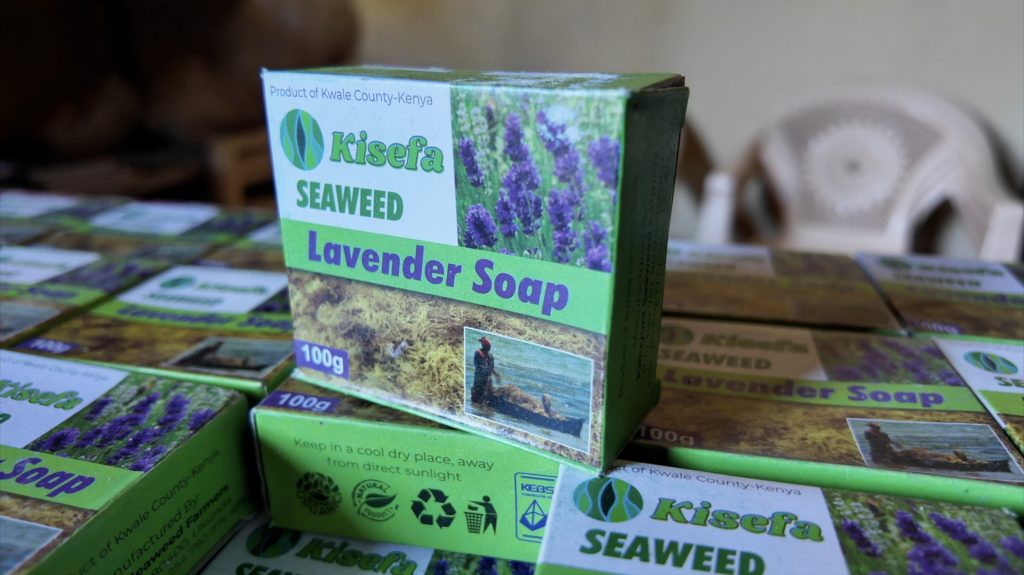
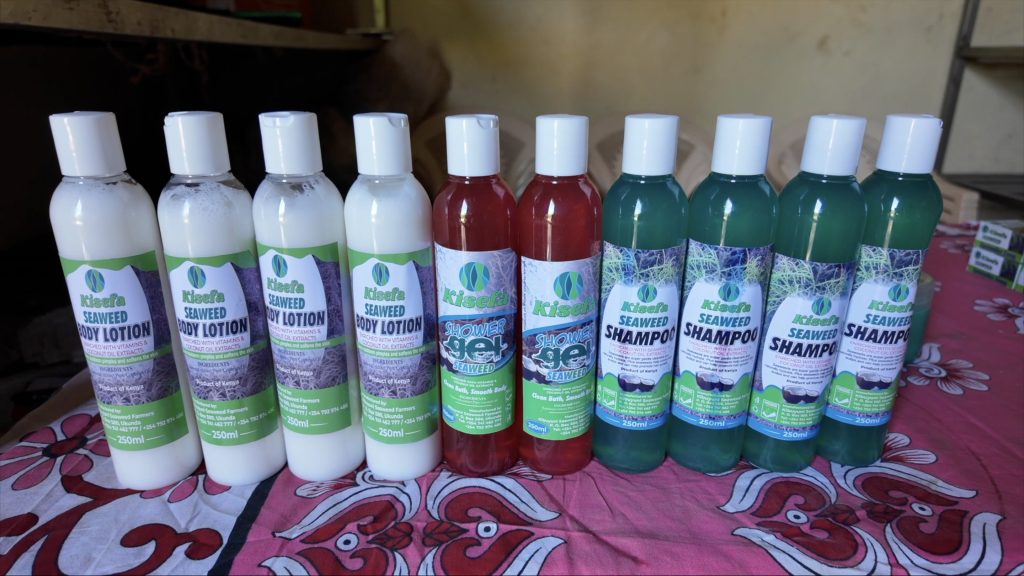
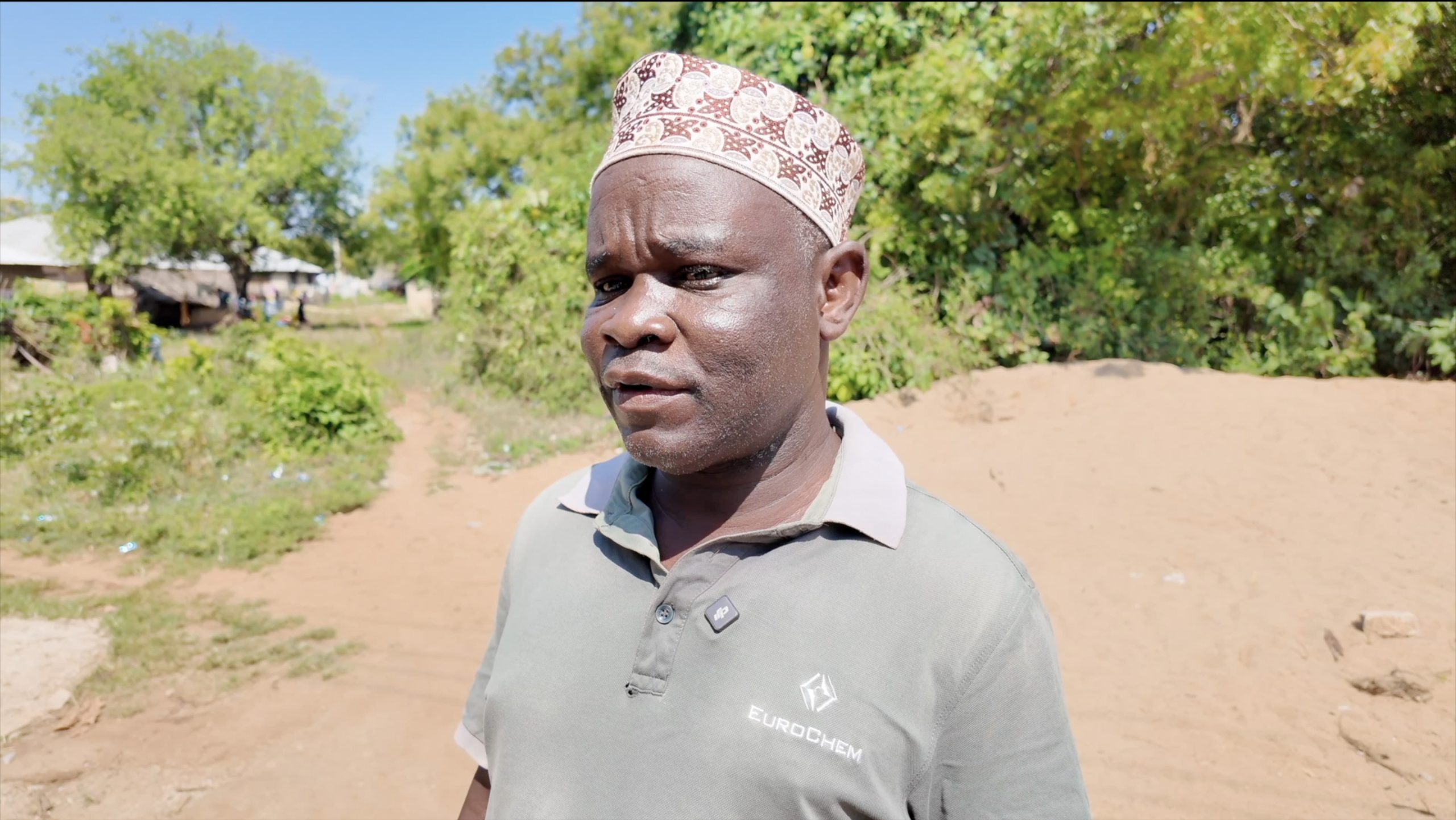
In Kibuyuni, Teyi Bakare, secretary of the Beach Management Unit, pushes value addition. Farmers craft soaps and samples from dried seaweed, fetching higher prices than raw exports. “We want to value-add for more people, do business with profit, and help the community,” Bakare says, eyeing stainless-steel machines to process carrageenan locally instead of shipping to Indonesia or the Philippines.
Climate change brings “ice-ice” disease from warming waters, bleaching crops white, while 2023’s erratic rains flooded farms. Dr. Mireira’s team counters with weather station alerts for early harvests and tree-planting to mitigate floods. Poverty hampers inputs like ropes, but partners like The Nature Conservancy and Plan International provide support.
These trials build resilience. Long-term farmers report higher incomes, stone houses replacing muddy makuti ones, and covered medical bills—tangible signs of transformation.
Expansion beckons, but it needs investment for suitability maps from Kwale to Lamu. “We’ve covered only a small section,” Dr. Mireira notes, urging private sector and government backing. Commercial long-line farms in Lamu hint at deeper-water potential, blending community and industry.
As sunsets paint the Indian Ocean gold, ropes sway with promise. Kenya’s coast evolves from tourism backdrop to sustainable hub, where science meets grit.
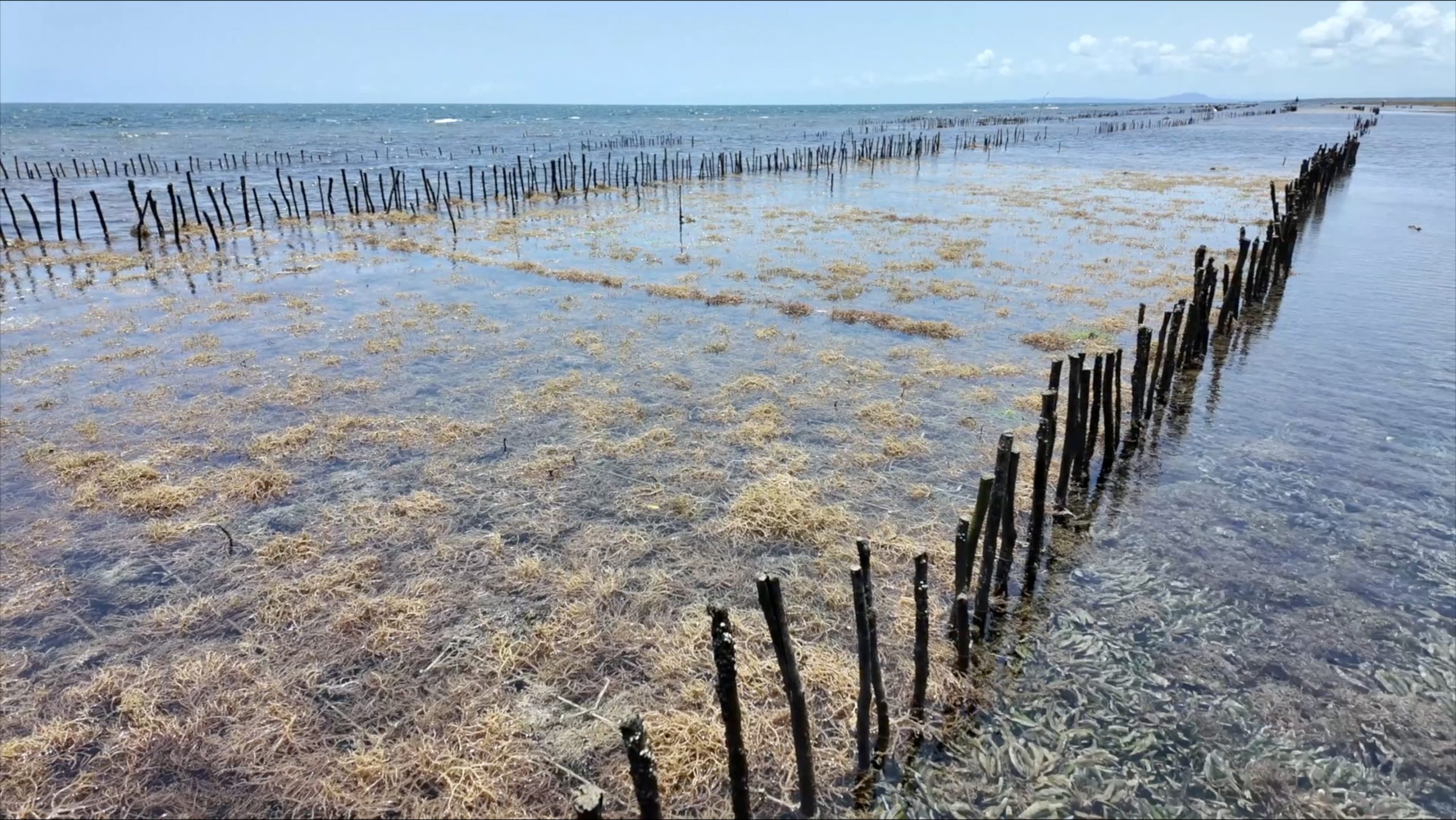
The seaweed farmers call for support to coastal farmers by urging people to buy Kenyan seaweed products, advocating for value-addition funding or planting mangroves to combat climate threats. They say that people’s action can turn blue gold into green futures.