
A former fashion designer is quietly reshaping how Kenyans think about “poor man’s food.” What was once the drought-resilient fallback of rural households is now feeding a growing gluten‑free market, fueling home bakeries and offering farmers a new lifeline through value addition.
Across Africa, cassava has climbed to become the third largest food crop, and in Kenya its image is changing fast. Traditionally seen as the food people turned to when rains failed, cassava’s resilience made it a symbol of survival rather than success.
“When we were small cassava used to be considered food for the poor because cassava is resistant to drought,” says entrepreneur and food processor Careen Asamba – Director, Samwa Natural Foods, recalling how it survived when other crops failed. Today, she notes, “because of the health benefits of cassava people are now embracing it as an alternative to wheat.”
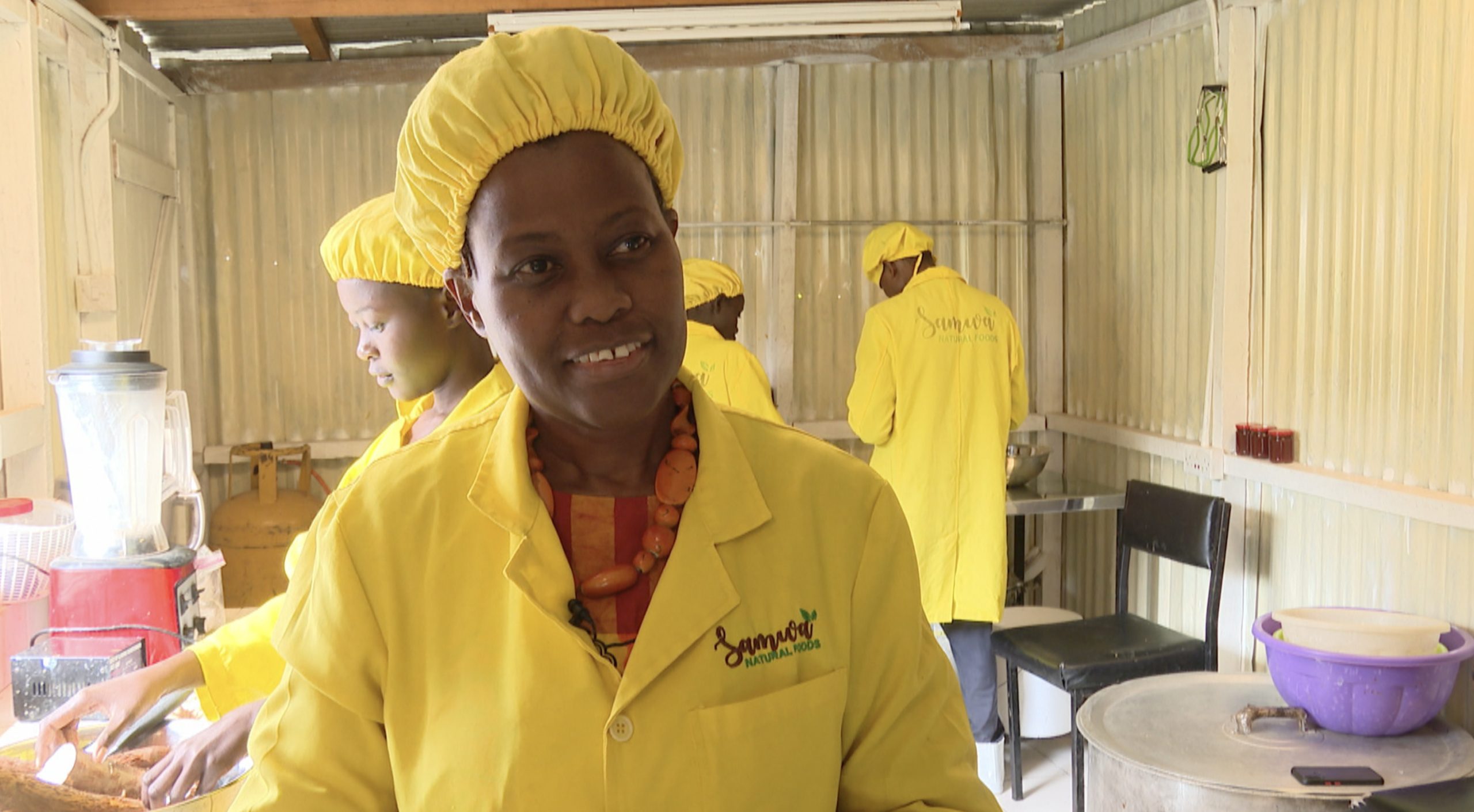
Cassava’s appeal to processors is technical as well as emotional. It contains about 70 percent starch by dry weight and is high in carbohydrates, making it ideal for flour, starch, glucose, ethanol and even livestock feed. In many tropical areas, dried cassava residues and peels are already being used for pigs, cattle, sheep and poultry, with dried peels also finding a place in biofuel and biogas production.
In Careen’s compact processing unit, the transformation from raw root to premium flour begins with a crucial safety step. Workers sort the cassava, cut it into manageable pieces, then peel off the outer skin, which she bluntly calls “poisonous.” “Make sure you remove all the peel because the peel has cyanide which is poisonous,” she explains, adding that the fibrous “string” in the middle is safe and even adds roughage.
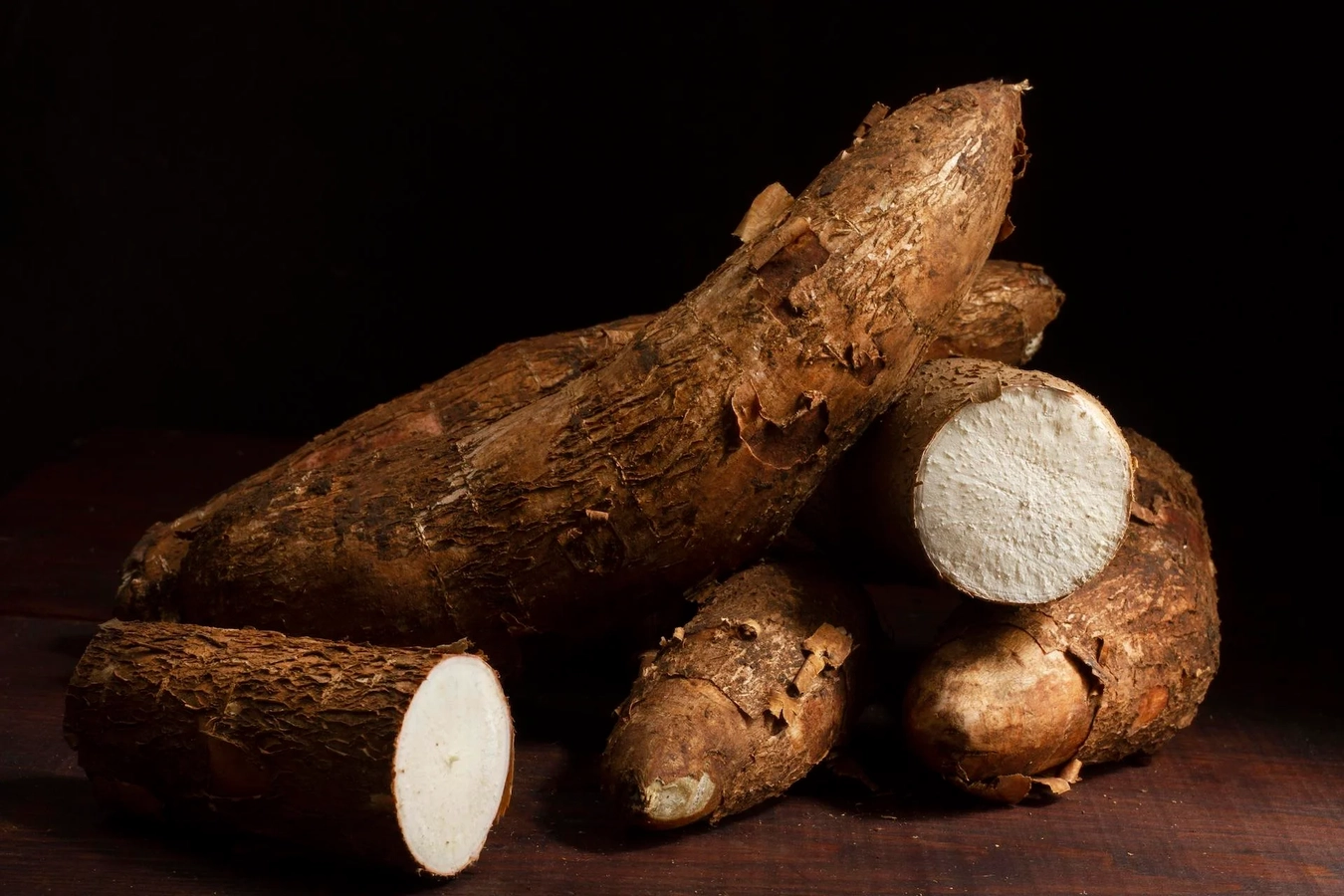
Size, she says, is not critical at this stage. “The size really doesn’t matter, we throw them in the slicing machine and the machine just chops them into smaller pieces.” For startups without equipment, she is quick to reassure: “You can actually do this using your hand, you actually don’t need a machine if you are a startup.”
After washing, the sliced cassava is spread in a solar dryer for three to four days, “depending on how hot the sun is,” until it is “crispy.” From there it moves to the mill, emerging as a fine, white flour that looks almost indistinguishable from wheat. But the conversion comes at a cost, “You get only 20 percent out of 100 kilos of fresh cassava you get only 20 kilos of flour,” she explains.
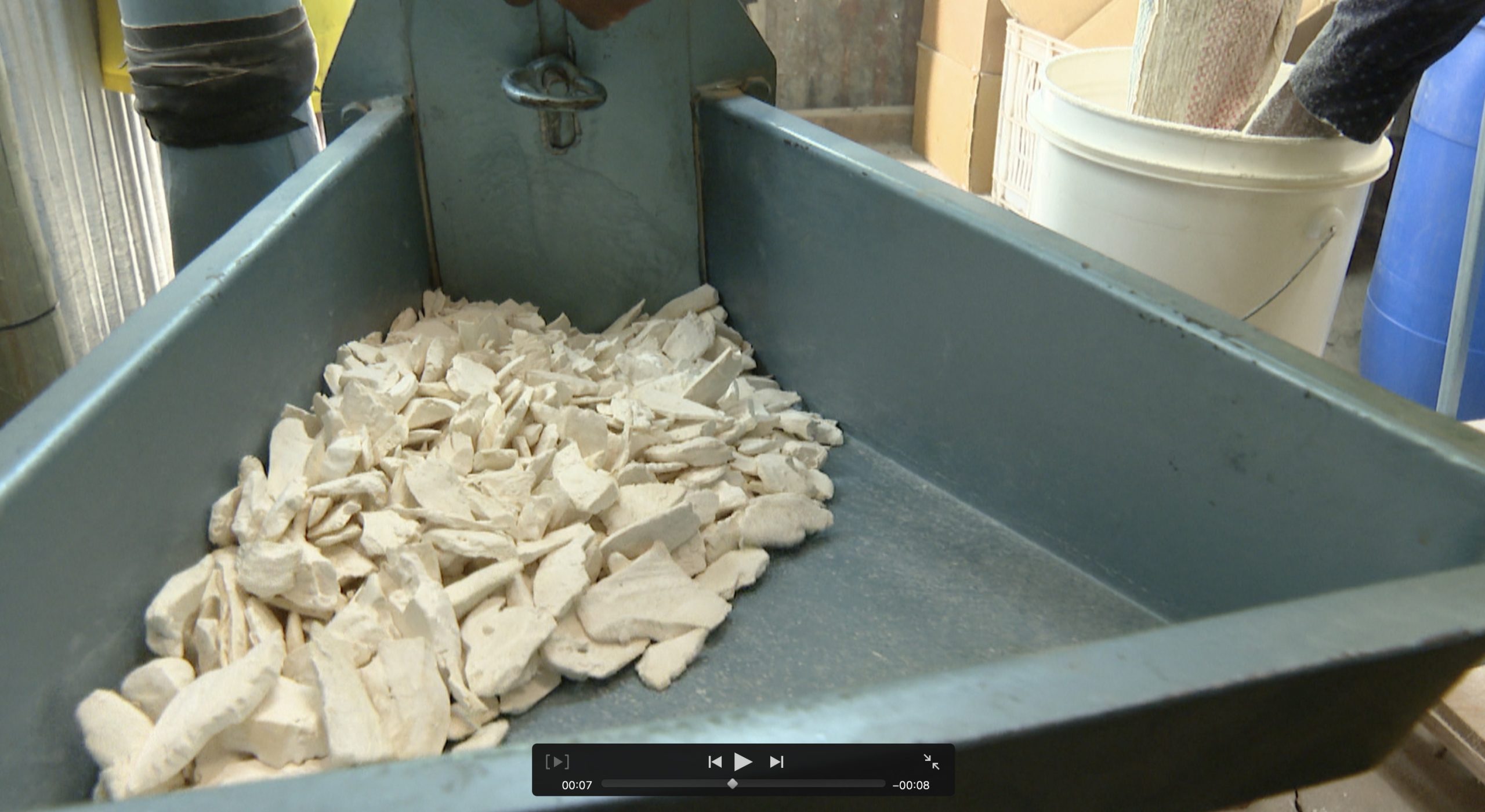
Careen’s venture was born out of a gap she saw while hunting for gluten‑free products in Kenyan supermarkets. “I went around looking for gluten‑free products and I only found what is imported, almond flour and oatmeal which was very expensive for the common mwananchi,” she says. Determined to find a local answer, she turned to indigenous tubers and settled on cassava as “the cheapest and readily available and also affordable to most people.”
Her goal was clear, “I wanted to make flour that is a substitute for wheat that can be affordable to everyone from the low‑income people to the high-income people.” Cassava’s neutral, familiar taste helped. “Cassava is very close to wheat in terms of taste. When you make products like cakes, bread, pancakes, the taste is not too far from wheat,” she explains, arguing that this makes it easier for consumers, especially children, to accept.
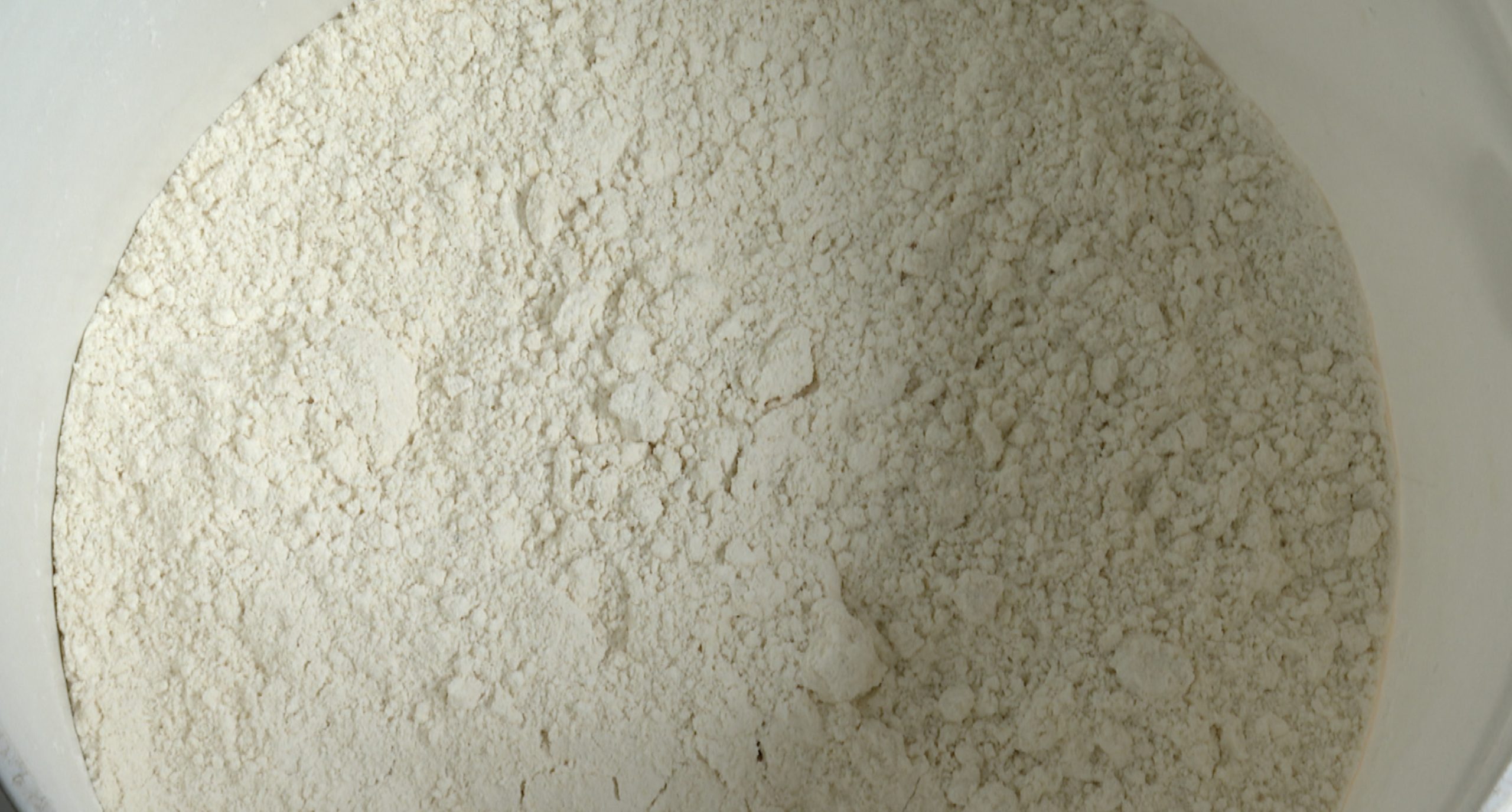
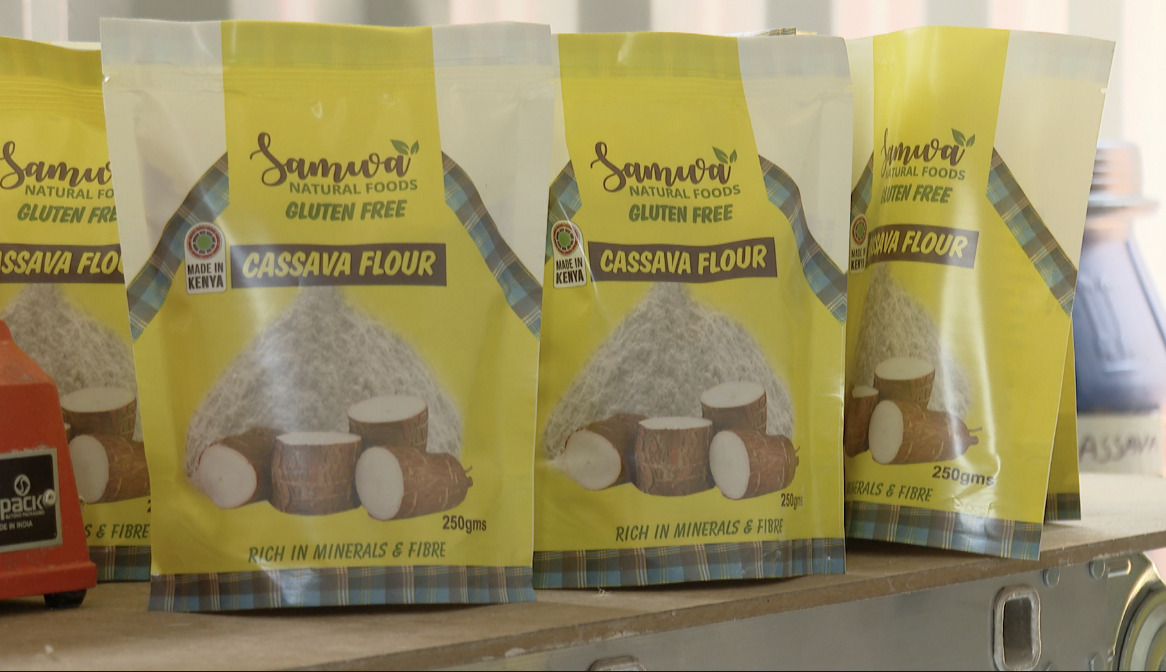
From her small premises, she now produces gluten‑free cassava flour packed in 250‑gram, 500‑gram and 1‑kilogram sizes, priced at about 80, 140 and 260 Kenyan shillings respectively. The most expensive part of the operation is not the cassava itself, but the specialized packaging. “The packs are expensive because they are special packs. To maintain the quality, moisture doesn’t come in,” she says. Properly packed, her flour boasts a shelf life of up to two years while retaining its color, taste and nutritional profile.
The demand for cassava flour has grown. “People have embraced cassava flour and actually it’s the most selling product that we have,” she says, adding that even consumers who are not gluten‑intolerant “fortify their flour” with it.
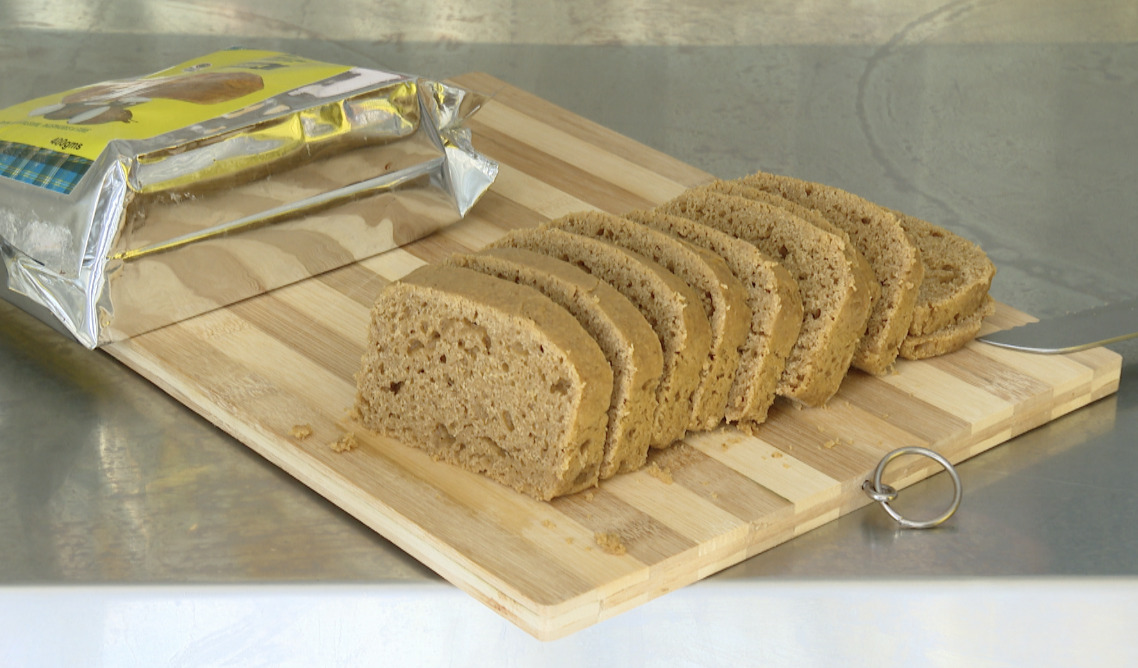
Careen’s journey did not end with flour. Pushed by her online community on Facebook and Instagram, she moved “a notch higher” into baking ready‑to‑eat gluten‑free products. “My clients are the ones who demanded it, they were asking me, ‘Do you have ready‑to‑eat gluten‑free products?’ because people are busy,” she explains. That demand convinced her to invest in a bakery, turning cassava flour into cookies and bread.
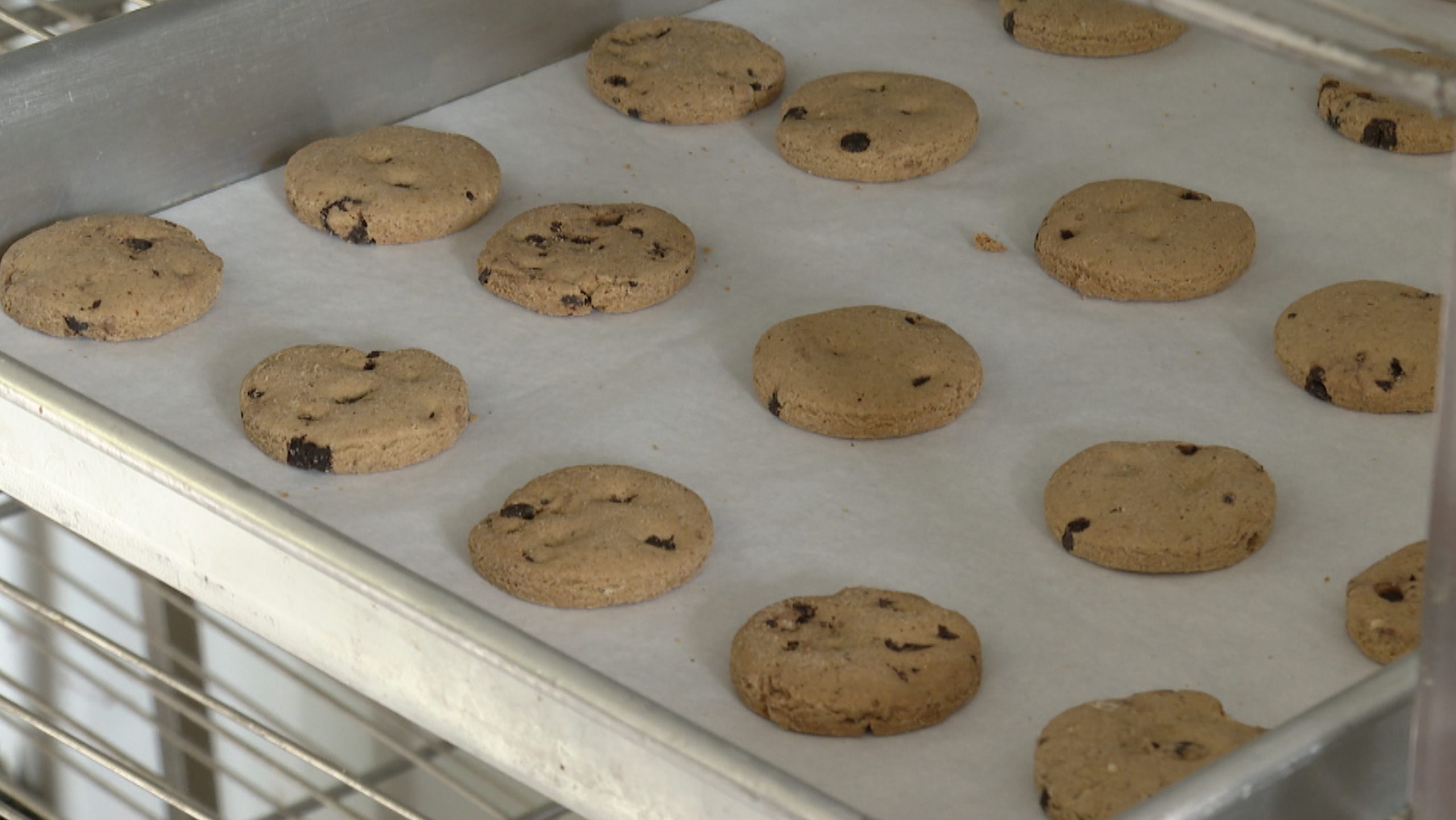
In her compact “home bakery,” she mixes cassava flour with corn flour to improve texture and rise. “Cassava flour is dense so the corn flour helps with the binding and it also helps it to rise because it’s light,” she says, adding xanthan gum as a binding agent. The exact ratios remain a guarded secret, “I won’t tell you the exact grams, it’s my secret recipe,” she says laughing.
She sells through local supermarkets but prefers direct sales. “We also have an online shop on our website and we prefer selling online because then we actually make more because there are no commissions going to the supermarkets and there are no delays of payment,” she notes.
Beyond business, she frames cassava as a health ally, especially for people with diabetes and gut problems. She highlights its resistant starch, which is good for gut health and also helps with people who have diabetes because it digests very slowly.” Cassava also contains vitamin C and contributes useful carbohydrates to local diets.
Nothing, she insists, goes to waste. Residues and peels that are unsafe for humans become feed and fuel. “Cassava residues are used for animal feed. The dried peels of cassava roots are fed to sheep and goats. Peels when dried are used as biofuel for cooking and there is a significant potential for biogas production,” She explains.
Driven not by formal training but by passion and a humble tuber once dismissed as survival food. In transforming cassava into flour, cookies and opportunity, Careen’s story mirrors a wider shift in Kenyan agriculture where value addition, health consciousness and digital markets are turning old crops into new economies.