
According to UNESCO, women represent less than one third of the world’s researchers. This gap persists despite notable progress and sustained global efforts to promote equitable access and participation for women in science, technology, engineering, and mathematics (STEM).
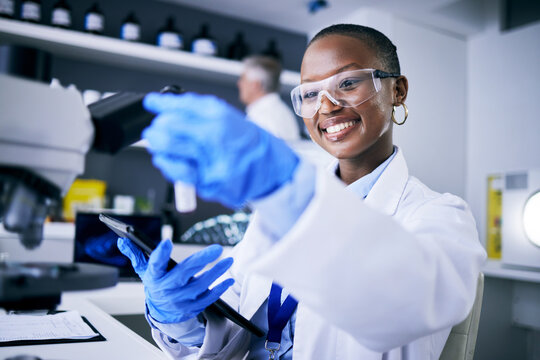
While policies, advocacy campaigns, and educational reforms have opened more doors than ever before, women remain significantly underrepresented across many STEM disciplines and leadership positions.
In this International Day of Women and Girls in Science, the contribution of women in STEM has been noted as not only a matter of equity or representation, but of innovation, problem-solving and ensuring transformative contribution that could lead to sustainable solutions.
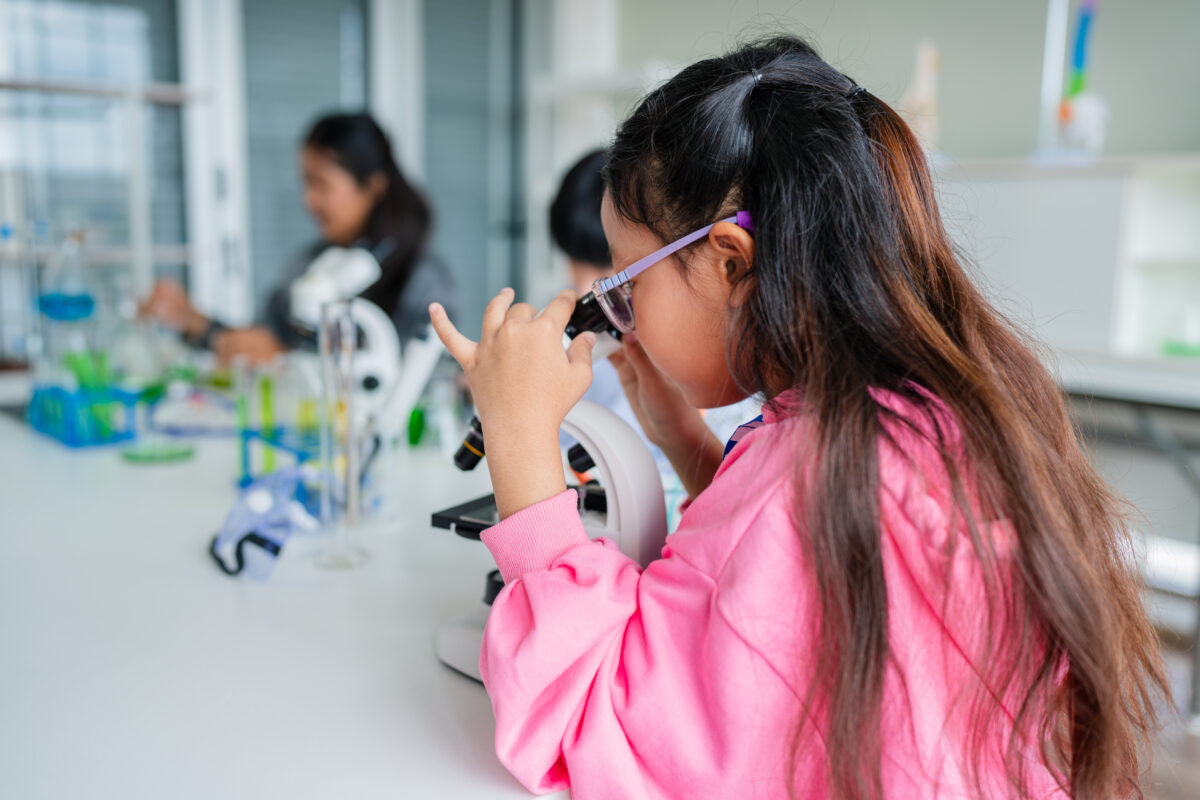
In a world where there are numerous challenges such as climate change, food insecurity, undergoing digital transformation with the advent of AI, poor healthcare systems, limited opportunities, increasing displacement due to economic hardships are just but a few real-world crises that need to be solved.
Women and young girls have the chance to change industries and different sectors through strong collaborations. When scientific inquiry, technological application, engineering design, and mathematical modelling are applied altogether, will enable inclusive, practical, context-driven solutions that solves real-world problems.

Imagine where biology and data algorithm predicts disease outbreaks, or engineering sustainable urban water systems that predict scarcity patterns, or using nutritional science with data, math and technology to value-add food rich in nutrient with correct measurements that have longer shelf life without additives, or combining agriculture, science, research to come up with skin care organic products like sunscreen that would help individuals of all kinds of skin. Women are uniquely positioned to bridge these fields in meaningful ways.
When we consider the pillars of STEM, women are encouraged to interconnect the disciplines so as to address real world problems as they emerge. It is great to understand as science helps us understand the natural world, technology helps us improve how we live and connect, engineering helps transform ideas into functional design, while mathematics provides structure, for data analytics, prediction and decision making.
This fields helps improve innovation and societal advancement. We can’t deny, STEM really plays a great role in modern society. It is driving growth across industries from agriculture, manufacturing, renewable energy, health care among others. Creating employment opportunities, fueling economic development and actually shaping the future of work.

Africa continues to produce remarkable women who are redefining the boundaries of science, technology, engineering, and mathematics (STEM). As a continent, there is growing need to recognize and celebrate women who have achieved significant milestones in these fields. Their achievements demonstrate that gender should never be viewed as a limitation to participation in scientific advancement or continental transformation. These women not only excel in research and innovation but also contribute solutions that directly benefit society.
Several African women have been recognized through platforms such as the Working to Advance Science and Technology Education for African Women (WAAW), reflecting the growing presence of women in STEM fields, serving as role models for future generations. Dr. Rose Leke of Cameroon is an immunologist and malaria researcher whose work has contributed to health policy development and malaria control efforts across Africa. Dr. Quarraisha Abdool Karim of South Africa is an epidemiologist known for her research on HIV prevention among women, helping to improve understanding of gender-related health challenges.


In technology, Kenya’s Juliana Rotich co-founded Ushahidi, an open-source crisis mapping platform widely used in disaster response and humanitarian coordination. Dr. Adeola Olubamiji of Nigeria is another trailblazer in STEM. She made history as the first Black person to earn a PhD in Biomedical Engineering from the University of Saskatchewan in Canada. She specializes in metal and plastic additive manufacturing, commonly known as 3D printing. Her work has contributed to advancements in medical technology and modern manufacturing processes.


Women also play an important role in agricultural STEM. Dr. Segenet Kelemu of Ethiopia is a molecular plant pathologist whose research focuses on crop diseases affecting staple foods. Professor Mary Abukutsa Onyango of Kenya researches the nutritional value of indigenous vegetables, supporting improved diets and local food systems. Dr. Mercy Diebiru Ojo of Nigeria applies Semi-Autotrophic Hydroponics technology to produce disease-free yam seeds, helping to improve crop productivity.


In agricultural technology, Esther Kimani of Kenya develops artificial intelligence solutions that detect pests and diseases, supporting small-scale farmers in reducing crop losses. Joyce Rugano, also from Kenya and founder of EcoRich Solutions, developed the WasteBot decomposer, that is AI powered which converts organic waste into fertilizer within twenty-four hours, supporting sustainable farming and waste management. The achievements of African women in STEM, particularly within agriculture, are extensive and continue to grow. Their contributions span research, technological innovation, advocacy, policy development, and leadership.
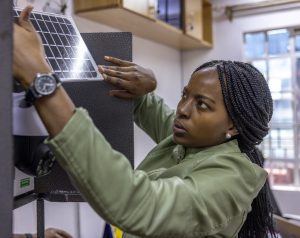

Women’s participation in STEM across diverse sectors continues to play a critical role in Africa’s transformation. From agriculture and healthcare to engineering, digital technology, environmental conservation, and industrial development, women are contributing in research, innovation, and practical solutions that address some of the continent’s most pressing challenges.
Their involvement proves the strengthening of scientific discovery, improvement in service delivery, and encouraging the development of technologies that respond to local realities.n When women are fully included in STEM, societies benefit from broader perspectives, increased creativity, and more inclusive problem-solving approaches.
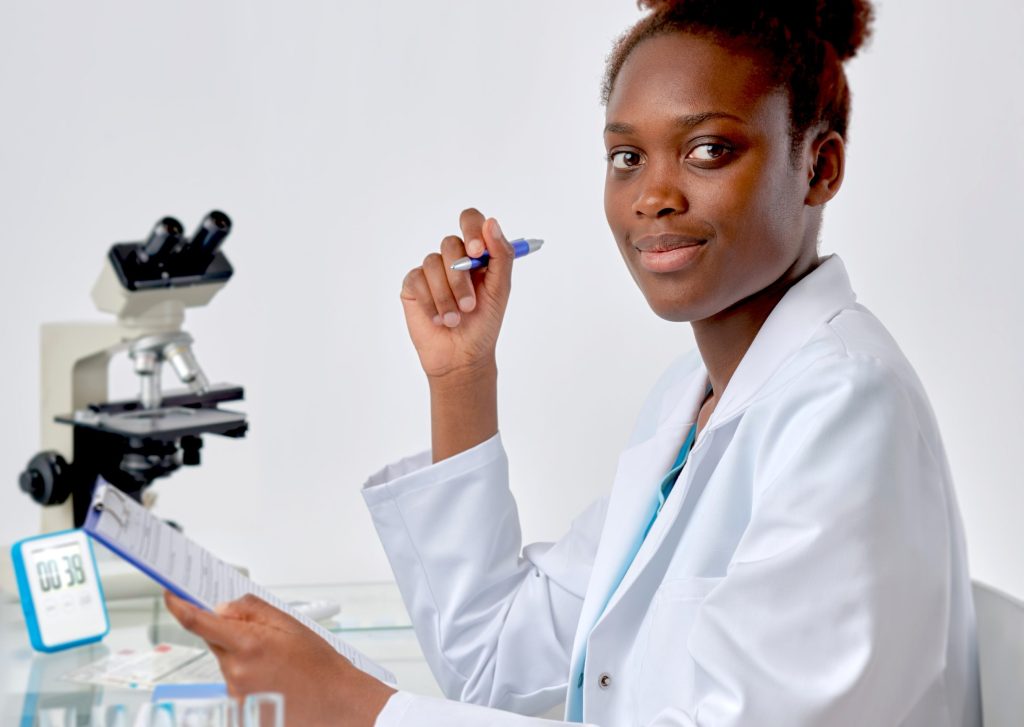
For Africa to achieve sustainable growth, food security, improved healthcare systems, and economic competitiveness, deliberate investment in encouraging young girls to pursue STEM, strengthening women’s education, expanding research opportunities, and promoting female leadership within STEM fields remains essential. Supporting women in these sectors strengthens institutions, drives innovation-led economies, and motivates younger generations to pursue scientific careers.
The continued advancement of women in STEM is not merely a matter of gender inclusion but a strategic pathway toward building resilient, progressive, and self-reliant African societies.
Images courtesy of UNESCO, AFP