
Beneath every meal served in Africa lies a quiet, overlooked hero: the soil. On World Soil Day, this living skin of the earth demands attention, not just from scientists and policymakers, but from anyone who cares about food, climate, and the future of the continent.
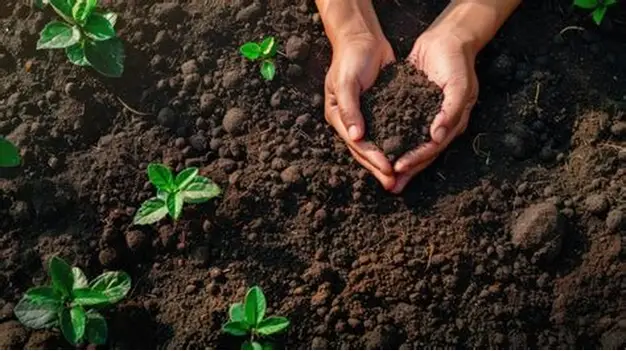
Rich or depleted, protected or eroded, the soil under our feet is silently shaping whether African families eat well, whether farmers thrive, and whether nations can withstand the shocks of droughts and floods. Its story is as urgent as it is invisible.
Soil is far more than brown dirt. It is a living ecosystem made of minerals, decaying plant and animal matter, water, air, and an astonishing diversity of microorganisms that recycle nutrients and keep plants alive.
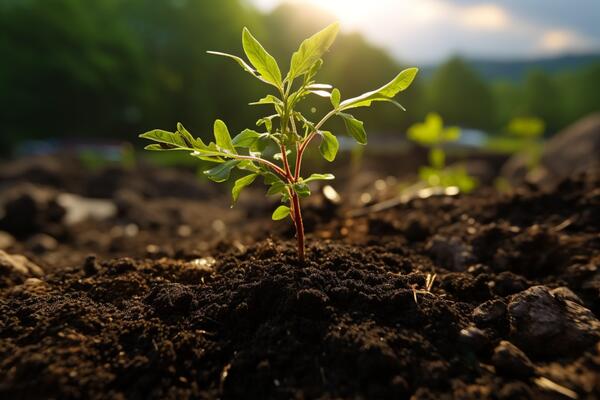
Healthy soil acts as a pantry, water tank, and anchor for crops, storing essential nutrients like nitrogen and phosphorus, holding moisture during dry spells, and stabilising roots against wind and rain. It also functions as a massive carbon store, helping to slow climate change when managed well, and as a filter that cleans water as it seeps down into aquifers and rivers.
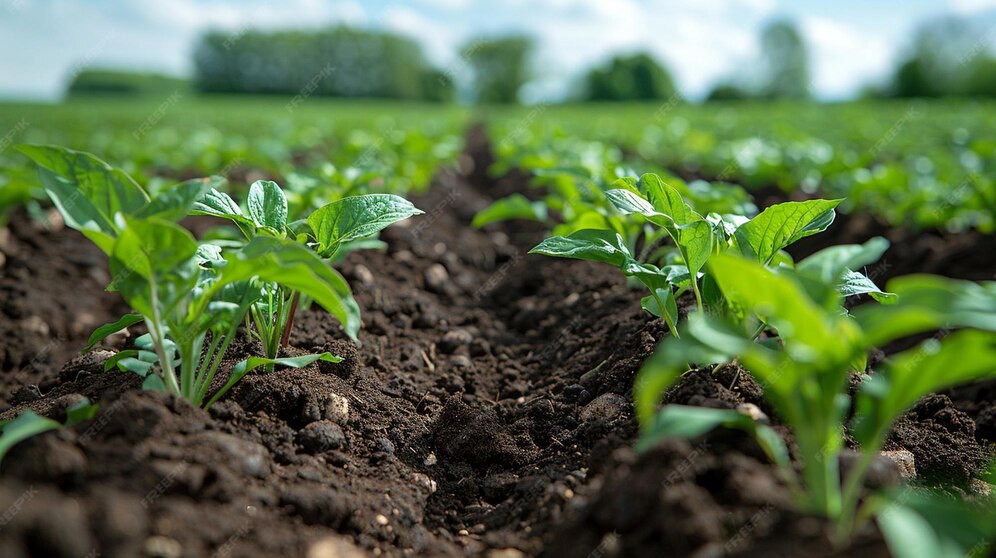
Across Kenya and the wider African continent, the character of the soil often determines the destiny of communities. In Kenya’s central highlands and parts of the Rift Valley, deep, dark volcanic and loamy soils provide ideal conditions for maize, tea, coffee, potatoes, and high-value horticultural crops. These soils, when carefully managed, offer good structure, drainage, and fertility, allowing roots to penetrate deeply and access both water and nutrients
 .
.
By contrast, the sandy, fragile soils of arid and semi-arid counties in northern and eastern Kenya struggle to hold water and nutrients, forcing farmers and pastoralists to rely on drought-tolerant crops like sorghum, millet, pigeon peas, and cowpeas, or on livestock that can roam in search of pasture.
The main soil types are sandy, clay, silt, and loam: each tells a different story about what can grow, and at what cost. Sandy soils feel gritty and drain quickly, making them prone to drought stress but suitable for crops such as groundnuts, watermelon, cassava and some vegetables if farmers add plenty of organic matter and irrigate wisely.
Heavy clay soils, common in low-lying areas and some river valleys, hold water tightly and can become waterlogged, yet they are well suited for rice, sugarcane and certain vegetables where drainage and water control are properly managed. Silty soils, smooth and silky to the touch, are naturally fertile and support cereals, vegetables and fodder crops. Loam—a balanced mix of sand, silt and clay—is often considered the “gold standard” for agriculture, providing good drainage, aeration and nutrient-holding capacity, making it ideal for staples like maize, beans and wheat, as well as many fruits and vegetables that fill African markets.
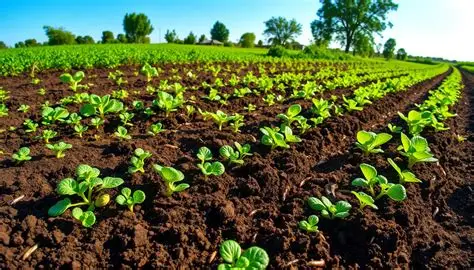
As we reflect on the 2025 World Soil Day theme, “Healthy Soils for Healthy Cities,” it becomes undeniably clear that the ground beneath our feet is not just a rural concern but the vital foundation of our urban future.
The call to action is simple yet profound: soil stewardship is climate action, community building, and food security—all rolled into one. Protecting and nurturing this resource is an investment in our collective well-being. The time for all citizens and urban planners to prioritize the health of our soils is now.
Images Courtesy of plantnative.org
In Mexico, we also have examples of soil restoration; from urban gardens that also help regulate the temperature by up to 9.5 degrees! On a planet that has already exceeded 1.5 degrees Celsius above pre-intensity warming. Global, and with three-quarters of the planet experiencing severe drought, deforestation, and erosion! #Solutions: https://www.socialdocumentary.net/exhibit/Joel_Enr%C3%ADquez_S%C3%A1nchez/6303