
On 27 November 2025, the High Court of Kenya delivered a landmark ruling that offered significant relief to smallholder farmers. The court affirmed that farmers have the right to save and share their indigenous seeds, an important victory for seed sovereignty and agricultural freedom.

This judgment followed a determined challenge by farmers and various organizations against a punitive legal framework that sought to restrict traditional seed-saving, sharing, and exchange practices. Such constraints threatened to undermine long-standing cultural systems of seed stewardship across Africa, the preservation and exchange of indigenous seeds have been integral to community life for generations. These practices have safeguarded local food heritage, strengthened agricultural resilience, and maintained vital biodiversity. The Court’s decision therefore represents not only a legal win but also a reaffirmation of Africa’s enduring legacy of community-driven seed management.
The contested law had stipulated that any farmer involved in sharing indigenous seeds could face a prison sentence of up to two years, a fine of KSh 1,000,000, or both. Such punitive measures posed a direct threat to traditional seed practices and risked phasing out the cultivation of indigenous crops. Critics argued that the law was designed to promote genetically modified seeds supplied by multinational corporations, suggesting that government policy had been influenced by foreign interest groups. This, would have resulted in the marginalization of local seed systems by prioritizing commercialized seed varieties over indigenous ones. This law threatened to undermine Kenya’s cultural heritage and farming traditions.
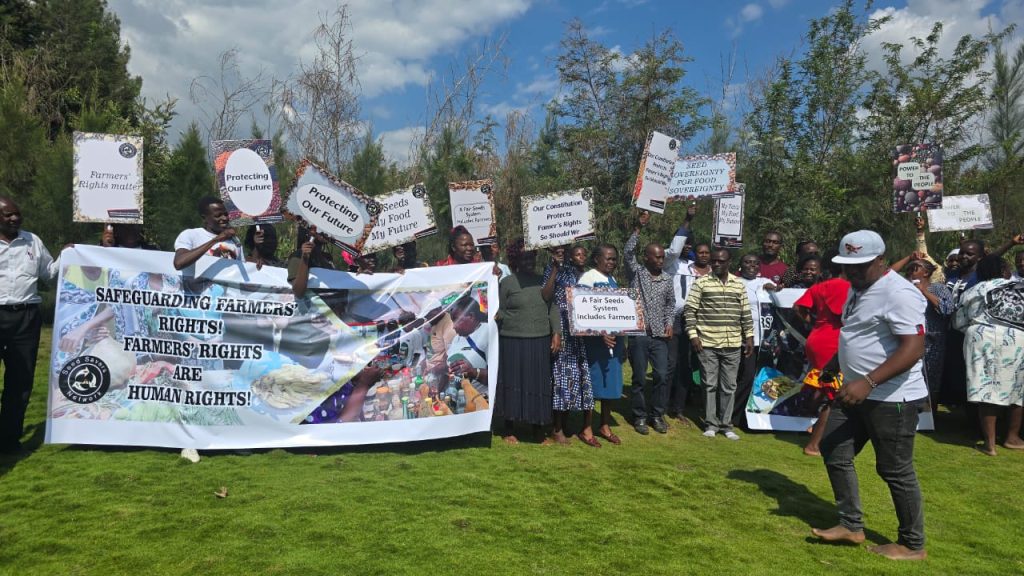
Kenyan farmers from the Seed Savers Network on July 2022 filed a lawsuit challenging the Seed and Plant Varieties Act (CAP 326), with support from organizations such as Greenpeace Africa, Biodiversity and Biosafety Association of Kenya (BIBA Kenya) and the Law Society of Kenya. The farmers argued that the Seed Act goes against the 2010 Kenyan Constitution, specifically Article 11(2)(a) of the Constitution mandates that the state shall promote all forms of national and cultural expression through literature, the arts, traditional celebrations, science, communication, information, mass media, publications, libraries, and other cultural heritage. Additionally, Article 11(2)(b) requires the promotion of the intellectual property rights of the Kenyan people. Furthermore, Article 11(2)(b) allows Parliament to enact legislation recognizing and protecting the ownership of indigenous seeds and plant varieties, including their genetic diversity and use by Kenyan communities. These clearly shows that the Seed and Plant Varieties Act (CAP 326), undermined the constitution culture protection by failing to adequately safeguard indigenous seeds and the rights of local farmers, threatening Kenya’s cultural heritage and biodiversity.
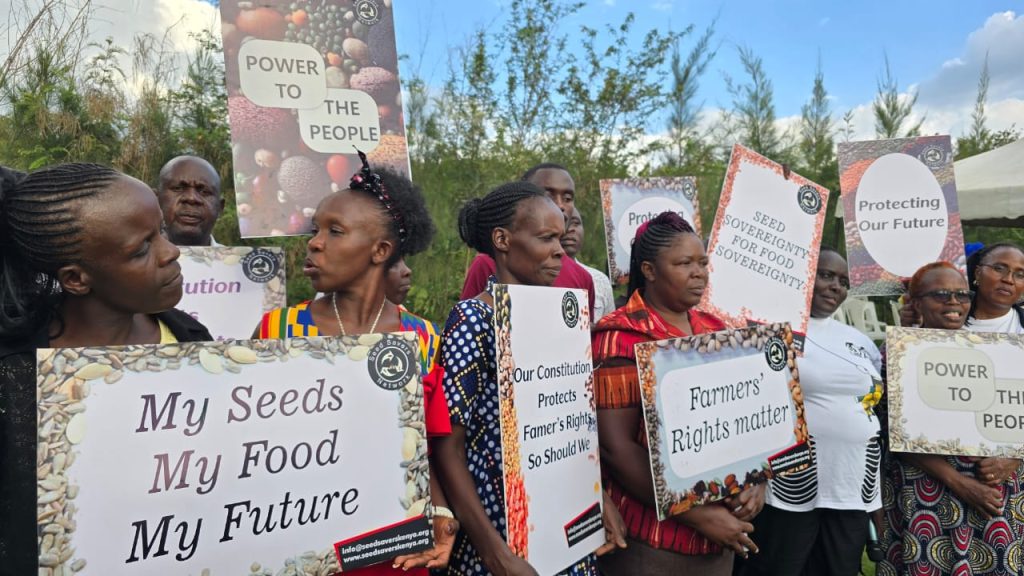
The High Court ruling has brought significant relief to farmers in Kenya and marks an important step in protecting Africa’s food sovereignty from unconstitutional legislation. By safeguarding indigenous seeds and agrobiodiversity, the decision supports the continuity of traditions that strengthen local food systems. Preserving indigenous seeds ensures that traditional knowledge can be passed from one generation to the next, which helps maintain our cultural heritage and community identity. Indigenous seeds are central to climate resilient agriculture, for they naturally adapt to local ecological conditions.
Farmers in Kenya are now free to save, share, and exchange indigenous seeds without the fear of being criminalized for their traditional practices. We have to commend the courage of fifteen farmers who took a stand against unjust and punitive laws that threatened to erode seed sovereignty and weaken our long-standing cultural traditions. Their action has defended the rights of local farmers and has protected the country’s rich agricultural heritage.
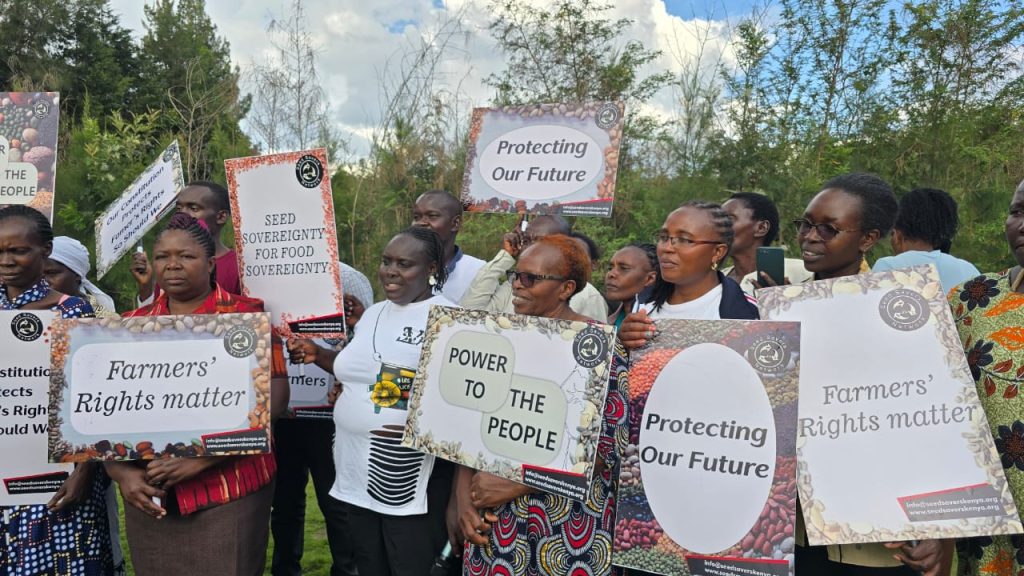
The future of smallholder farming is secured, thus guaranteeing long-term sustainability for our food systems ensuring that traditional practices continue to thrive.