
How Kenya’s Coastal Communities Are Restoring Coral Reefs and Securing Their Future.
Coral reefs are vanishing fast, but along Kenya’s coast, a hopeful movement is emerging. Farming corals is not just about saving underwater gardens—it’s about saving livelihoods, food security, and the future for coastal communities.
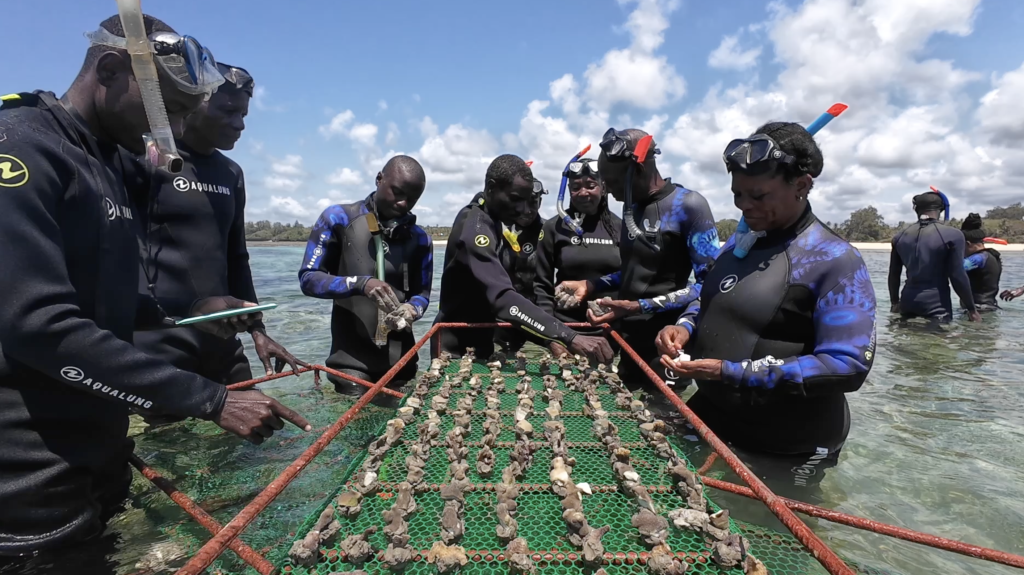
Coral reefs cover less than 1% of the ocean floor but support a staggering 25% of all marine life. However, these vibrant ecosystems face grave threats from climate change and human activities, with 82% of Kenya’s hard coral reefs already destroyed. The World Economic Forum warns that up to 90% of the world’s coral reefs could disappear by 2050 if urgent actions are not taken.
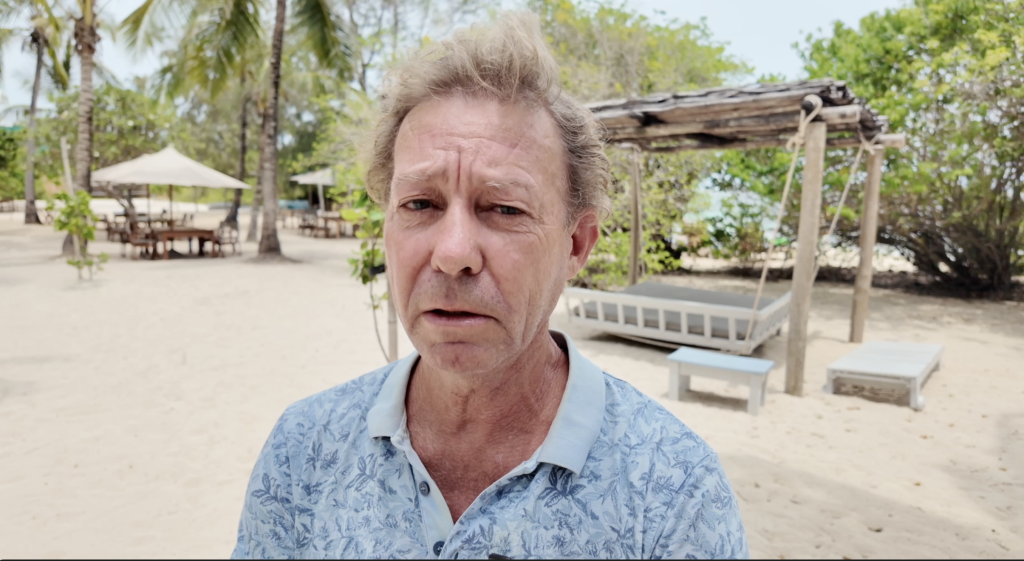
Desmond Bowden, CEO of Oceans Alive Kenya, underscores the urgent need for restoration. “Last year, we lost about 30% of coral due to rising sea temperatures caused by climate change. We are researching resilient corals and planting those most likely to survive in deeper ocean areas,” he explained. Bowden emphasized that “without improved livelihoods, conservation cannot work. Community involvement in restoration is key to achieve healthy oceans and healthy communities.”
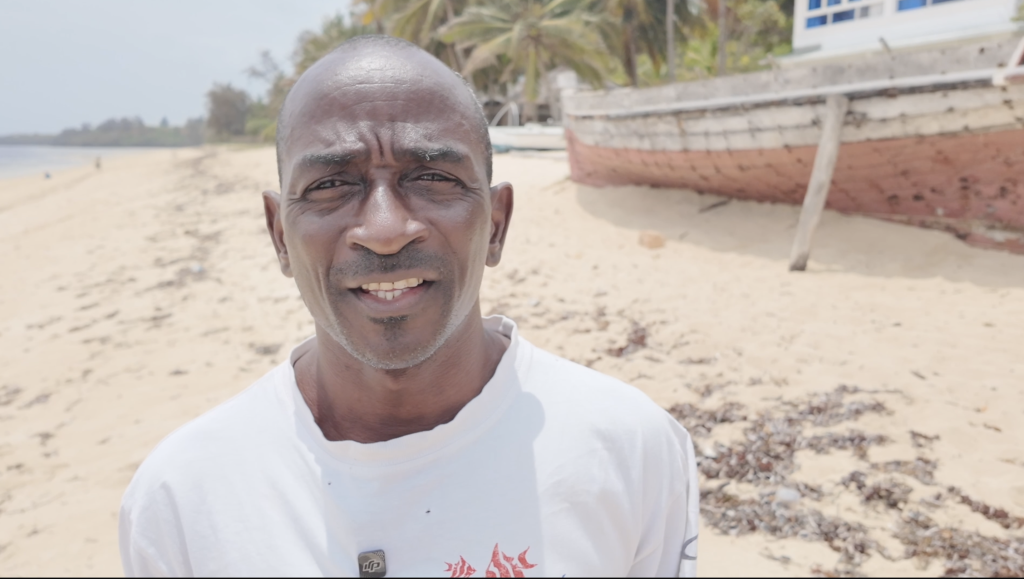
Coral reef farming has become a transformative tool for conservation. Dickson Juma, from the Kuruwitu Conservation and Welfare Association, highlights global warming’s toll: “After the up season in March and April, we notice massive coral bleaching. This drives us to replant more corals. Coral farming has had a big impact on our community. Restored reefs create breeding sites for fish, vital for our economic survival. Coral survival means human survival.”
Another community member, Katana Hinzani, described their restoration efforts: “We make coral nursery tables, plugs and artificial coral bricks, carrying them into the ocean for coral nurseries. Corals stay on these tables for six months before replanting in damaged areas. Through this, we not only restore degraded ecosystems but also build ecological resilience.”
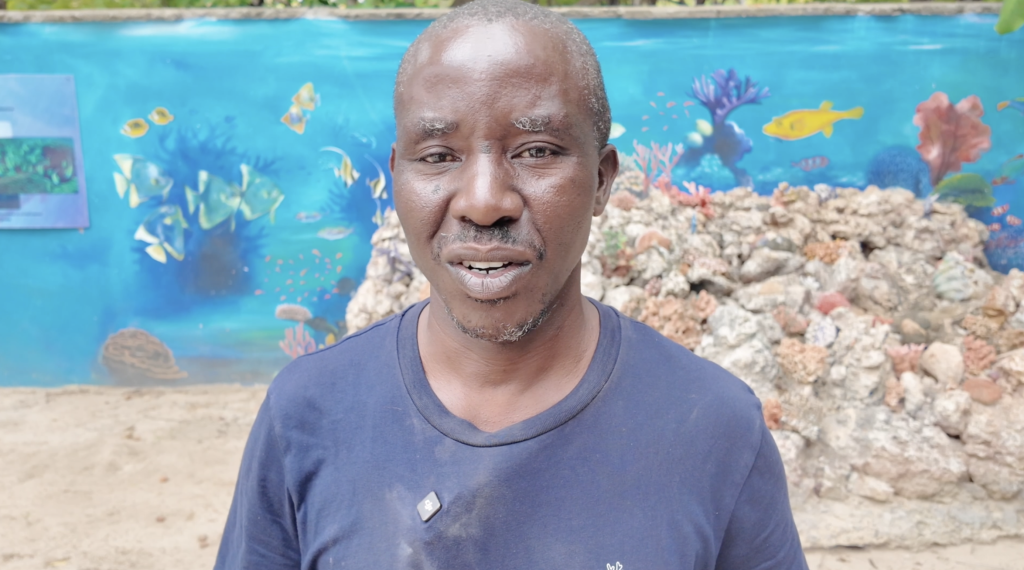
Scientific researcher Nancy Ogega from Oceans Alive Kenya added, “Coral restoration is a way for humans to help ecosystems that cannot recover naturally. We need both ecological and social resilience — without that balance, fish populations decline, directly harming community livelihoods.”
Beyond ecological benefits, coral reef farming advances several Sustainable Development Goals. It protects marine biodiversity (SDG 14), supports food security and poverty alleviation (SDGs 1 and 2), promotes decent work through sustainable tourism (SDG 8), and aids climate resilience (SDG 13). It also supports health, gender equality, and coastal community protection against climate disasters.

The fate of coral reefs mirrors our societal choices. As Dickson Juma puts it, “Safeguarding coral reefs means safeguarding ourselves, our food, our coastlines, economies, and future..” African governments, private investors, scientists, and youth are called to unite in strengthening Africa’s coral reef farming movement before the damage is irreversible.
Images Courtesy of Oceans Alive Kenya and Kuruwitu Conservation and Welfare Association.