
Cotton Production, An Economic Game Changer
Cotton cultivation fuels economies worldwide, with a select group of countries dominating production and millions of lives uplifted with its trade.
In 2025, India has emerged as the world’s largest cotton producer with an estimated production of around 6.6 million metric tons, accounting for over 24% of global output. India’s expansive arable land, particularly in Gujarat, Maharashtra, and Punjab, supports millions of smallholder farms reliant on cotton as a cash crop.
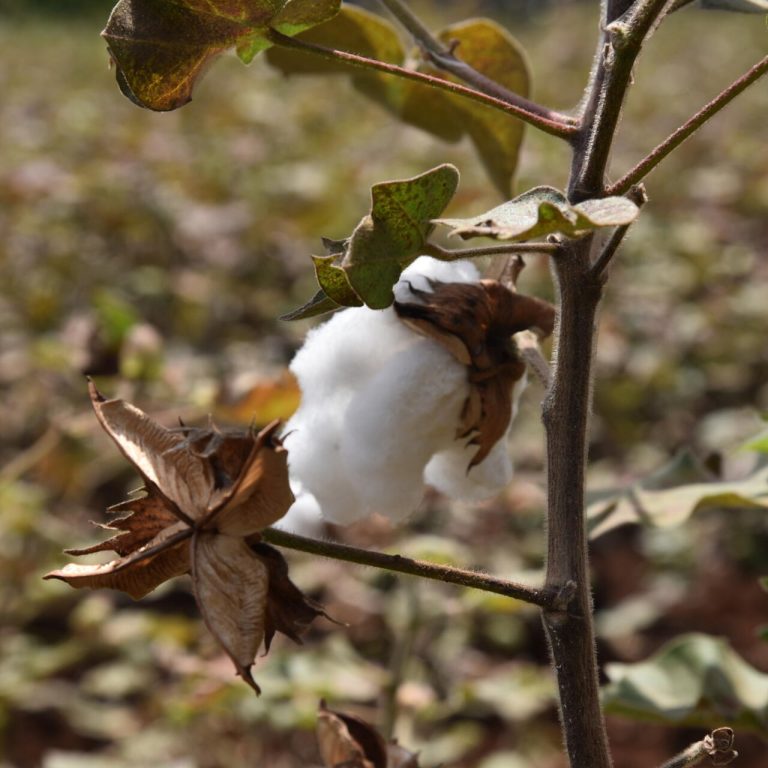
Advanced biotechnology, mechanized picking, and government-backed sustainable farming practices have elevated its production capabilities. India’s textile industry is integrally linked to its cotton sector, supporting numerous processing facilities and robust export markets across Asia.
In Africa, cotton production is rebounding with a projected market value of $6.36 billion for 2025 and expected growth to $8.08 billion by 2030. Mali remains Africa’s top cotton producer, yielding about 1.3 million bales for the 2025/2026 season. It is followed by Benin and Côte d’Ivoire, with significant output despite various climatic and market challenges.
West African countries dominate, contributing over 2.6 million metric tons across the sub-region, while Eastern Africa notably accounts for around 1 million metric tons. Studies indicate that the cotton industry in Africa is vital not only as a source of foreign exchange but as an economic growth engine, supporting livelihoods of millions and employing significant percentages of the rural workforce. For example, research in Benin demonstrates a positive correlation between cotton production expansion and economic growth, emphasizing the need for investments in human capital to optimize sustainable development outcomes.
Kenya’s cotton industry, though currently small compared to global leaders, is showing promising signs of revitalization. The country produces about 3,000 bales of cotton annually, but the demand ranges between 140,000 and 260,000 bales, indicating substantial reliance on imports.
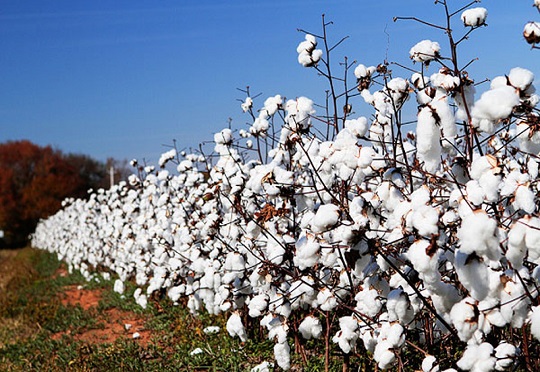
The launch of a new cotton ginnery in Lamu County marks a pivotal moment toward local value addition and industry growth. This facility aims to increase regional production threefold, benefiting local farmers by reducing transportation costs and strengthening local market access. It is projected to serve farmers across Lamu, Kilifi, Tana River, Kwale, and Taita Taveta counties.
Cotton farming employs approximately 140,000 smallholder farmers in Kenya, predominantly concentrated in the coastal region and parts of western Kenya, such as Homa Bay and Siaya counties. Yields average about 0.53 tons per hectare, though investors look to replicate higher yields seen in other countries through improved seeds and better farming practices.
The benefits of cotton production to Kenya extend beyond income generation. The revitalized cotton sector stimulates rural job creation, empowers local communities, and supports Kenya’s broader industrialization and “Buy Kenya, Build Kenya” campaign aimed at championing domestic manufacturing and consumption of Kenyan products. Additionally, this renewed focus on local cotton production aligns with climate goals by reducing carbon footprints related to imported textiles.
Cotton continues to be a cornerstone commodity both globally and in Africa, linking millions through agriculture, trade, and industrial production. India, China, Brazil, and the United States dominate production, fueling lucrative textile industries worldwide. Africa’s leading producers like Mali and Benin showcase the crop’s economic importance to rural livelihoods and national growth.
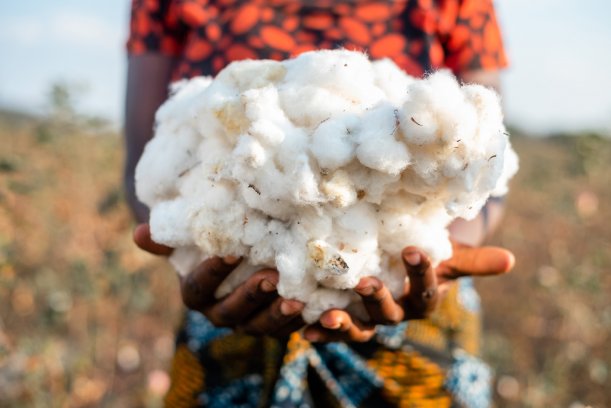
Kenya, while a smaller player, is building momentum with strategic public-private partnerships, infrastructural investments, and supportive policies, aspiring to transform cotton into a major economic driver that uplifts farmers and reinforces the national economy.
As research affirms, the future of cotton lies in innovation, sustainable practices, and value addition, all critical in harnessing the full economic potential of this versatile crop.