
International Day of Rural Women
This day, observed every year on October 15, is a vital global occasion that honors the indispensable role rural women play in ensuring food security and driving sustainable development across the world.
Rural women, especially in developing countries, produce the majority of the food consumed both locally and globally, contributing between 60 to 80 percent of agricultural output in many regions. Their work extends beyond farming; they manage natural resources, conserve biodiversity, process and prepare food, and sustain the economies and well-being of rural communities.
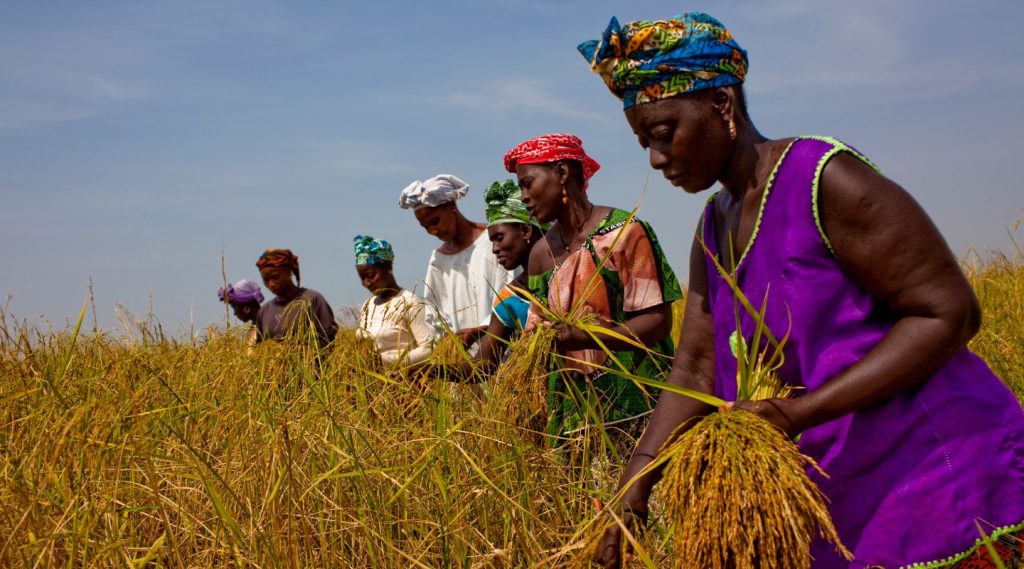
This day emphasizes the immense contributions of rural women in feeding millions and sustaining livelihoods, while also spotlighting the barriers that hinder their full empowerment and independence.
Rural women are the backbone of agriculture and rural development. Their labor and expertise keep food systems functional, from planting and harvesting crops to maintaining soil health and water resources. They often hold traditional and indigenous knowledge crucial for sustainable farming and environmental stewardship.
In many societies, rural women are custodians of biodiversity and local seeds, practices which are vital to agricultural resilience and climate adaptation. Their involvement in food production is not just about growing crops but also about ensuring the nutritional needs of families and communities are met through food preparation, processing and marketing.
Despite their critical contributions, rural women face persistent challenges that limit their potential and threaten their livelihoods. One of the most significant obstacles is lack of access to land, as customary and legal systems often deny women secure land rights. Without control over land, rural women struggle to invest in and expand their agricultural activities.
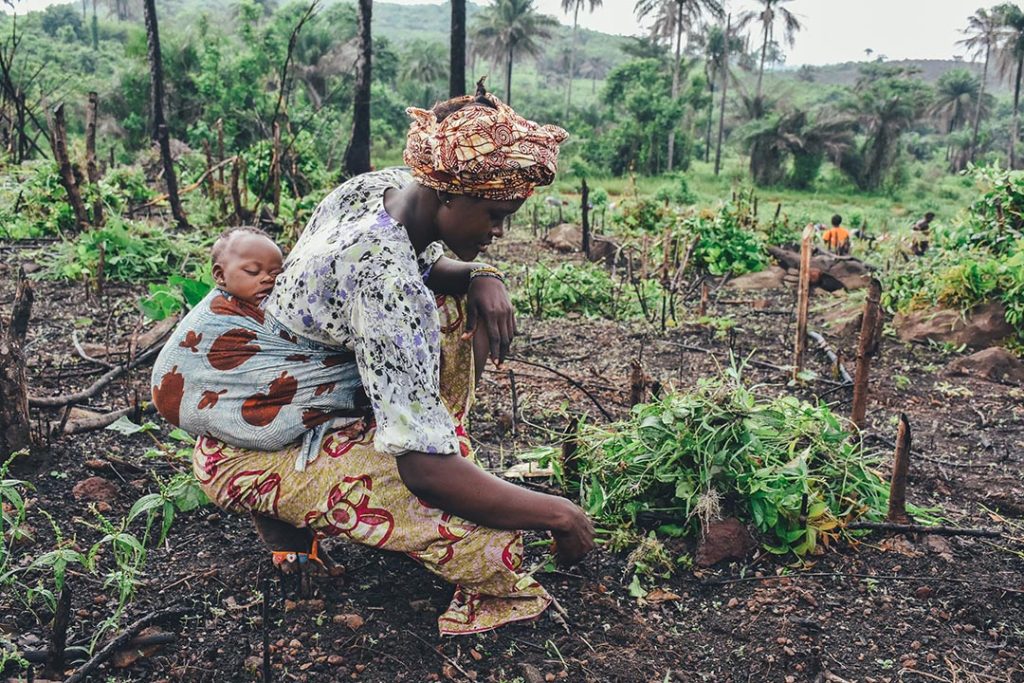
Additionally, they have limited access to financial services, agricultural inputs, machinery, education, technology, and extension services compared to their male counterparts. Gender norms and inequalities further constrain their ability to participate in decision-making processes related to agriculture and rural development.
The effects of climate change exacerbate these vulnerabilities, as rural women frequently work small plots of land more exposed to droughts, floods and other ecological disruptions. Many must walk long distances daily to collect water and firewood, affecting the time and energy they can dedicate to productive activities.
The sustenance of food security by rural women depends on addressing these numerous barriers comprehensively. Empowerment through education and skills development is central to building their independence. Programs that provide rural girls and women with access to quality education, vocational training and agricultural knowledge help increase their productivity and open economic opportunities beyond subsistence farming.
In places like Kenya, organizations such as Kakenya’s Dream demonstrate the transformative impact of integrating education, health, leadership development and climate resilience training for rural women and girls. Such holistic approaches allow women to become agents of change, confident in their roles in agriculture and community governance.
Legal and policy reforms are urgently needed to guarantee rural women’s land rights and access to financial services tailored to their needs. Financial inclusion, including credit facilities and insurance products, equips rural women to invest in inputs and technologies that enhance productivity and reduce labor intensity.
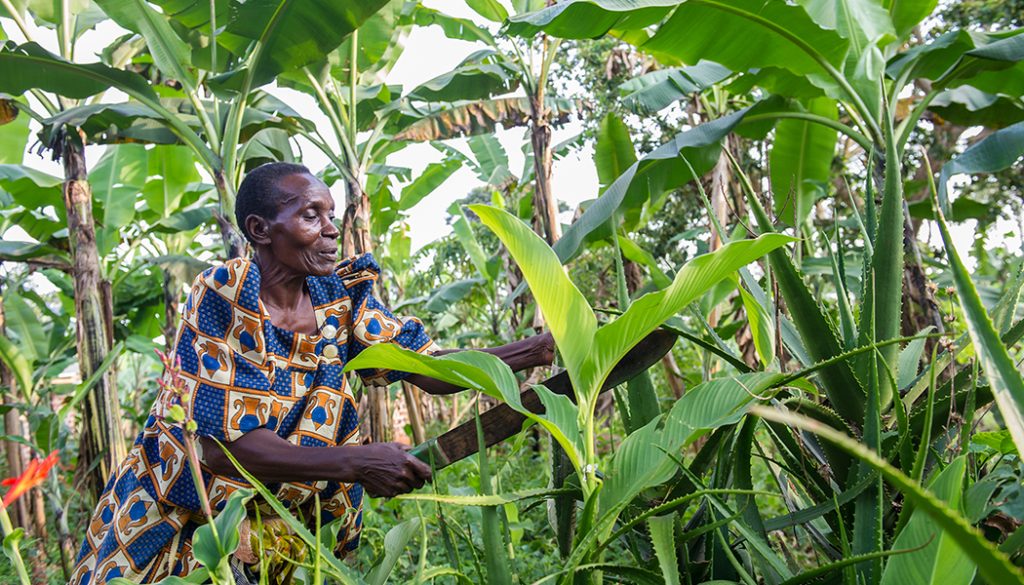
Strengthening rural infrastructure, such as irrigation, storage and processing facilities, is also essential to reduce post-harvest losses and improve market access. Social protection mechanisms can safeguard vulnerable women from shocks, enabling them to maintain agricultural activities and community roles resiliently.
Moreover, recognizing and promoting rural women’s leadership is necessary for food systems transformation. Their participation in local and national decision-making ensures that policies reflect their realities and capitalize on their knowledge.
Involving rural women in climate adaptation planning and environmental management empowers them to protect natural resources sustainably while securing agricultural production. Supporting rural women’s access to markets and fair-trade conditions helps them scale their economic activities and gain financial independence.
The International Day of Rural Women serves as both an acknowledgment and a call to action. It celebrates the strength, resilience and invaluable contributions of rural women while urging governments, civil society and international partners to deepen investments in their empowerment.
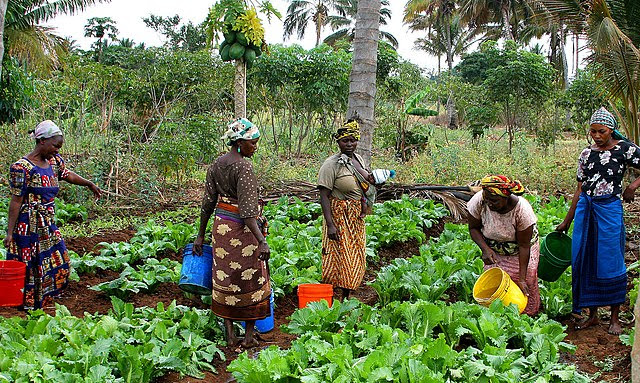
Rural women are the unsung heroes of global food security. Their work feeds families, supports economies and nurtures the environment. Enabling them to sustain their independence through education, land rights, financial access, leadership and climate resilience holds the key to ending hunger, reducing poverty and building a just and sustainable future.
The International Day of Rural Women powerfully reminds the world that empowering these women is indispensable for a nourished, equitable and resilient planet for all.