
Food insecurity and food waste remain major global challenges, affecting economic growth, social wellbeing, and the environment. According to the Global Report on Food Crises, 266 million people face high levels of acute food insecurity, while 36 million children experience acute malnutrition in countries and territories facing nutrition crises. These figures highlight the need for organized action at both national and global levels to address the root causes of hunger, food insecurity, and malnutrition. According to the United Nations Environment Programme’s Food Waste Index Report, the world wastes food worth more than US$1 trillion every year. Food loss and waste also contribute to an estimated 8–10% of global greenhouse gas emissions and occupy an equivalent to nearly 30% of the world’s agricultural land. These figures show how food waste contributes to environmental degradation, wasted cultivated land and climate change while millions of people struggle to access enough food.
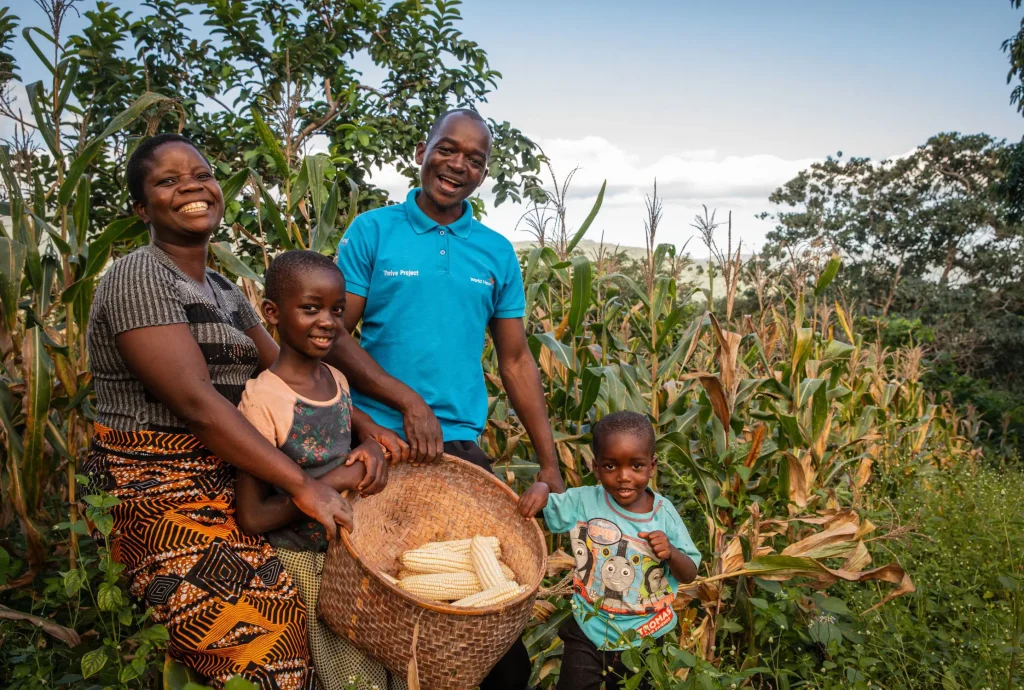
With millions of people facing hunger and billions unable to afford a healthy diet, reducing food loss and waste is an important step towards improving global food security. Hunger and malnutrition affect people’s health, reduce productivity, and make it harder for communities to escape poverty. Achieving Sustainable Development Goal 2 (Zero Hunger) by 2030 is essential. The goal aims to end hunger, achieve food security, improve nutrition, and promote sustainable agriculture. Progress towards this goal can also support economic growth, education, equality, and the overall wellbeing of communities.
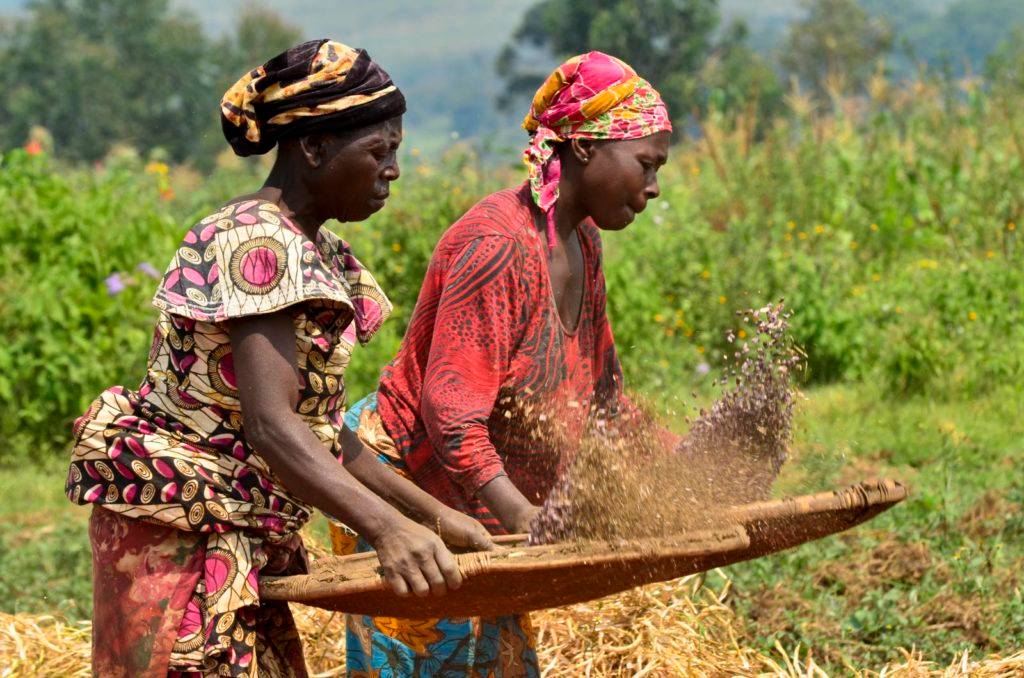
As we mark World Food Day 2026 under the theme “Innovative Today, Nourish Tomorrow,” we are reminded of the need to develop practical and innovative solutions to address food insecurity, malnutrition, and food loss and waste. Innovation should basically focus on building inclusive and sustainable food systems that ensure everyone has access to sufficient, safe, diverse, and nutritious food while protecting the environment for future generations. In order to achieve this, there is need of collaboration among different stakeholders, develop partnerships that invest in research, technology, infrastructure, and policies that support sustainable agricultural development. This will help strengthen agricultural value chains, create employment opportunities, and support small-scale farmers so as to improve production, reduce losses, increase incomes, and promote sustainable growth in the agricultural sector.
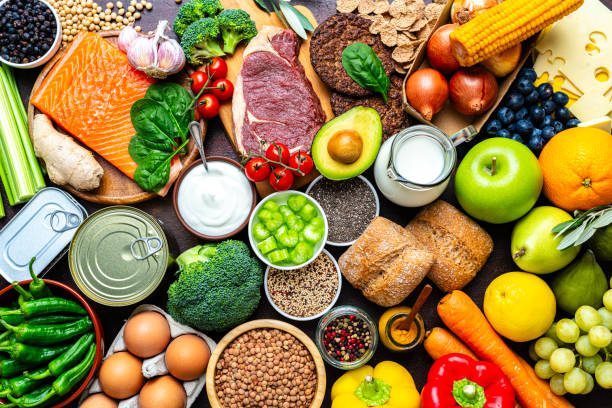
Science and technology plays an important role in transforming food production, enhancing value addition, handling, storage, processing, and marketing. With reliable and accurate data, farmers can better understand what to produce, when to produce it, and where to sell their products creating new market opportunities, and increase farmers’ earnings. Having better access to market information, enables farmers to better respond to demand, while reducing post-harvest losses, and avoiding unnecessary waste along the supply chain. With improved storage facilities, cold-chain systems, processing technologies, and transport infrastructure will help preserve food quality and extend shelf life. Innovation strengthens agriculture resilience when it comes to climate change. Through research, it enables the development of crop varieties that perform well under different climatic conditions and livestock breeds that are productive and better adapted to changing environments.
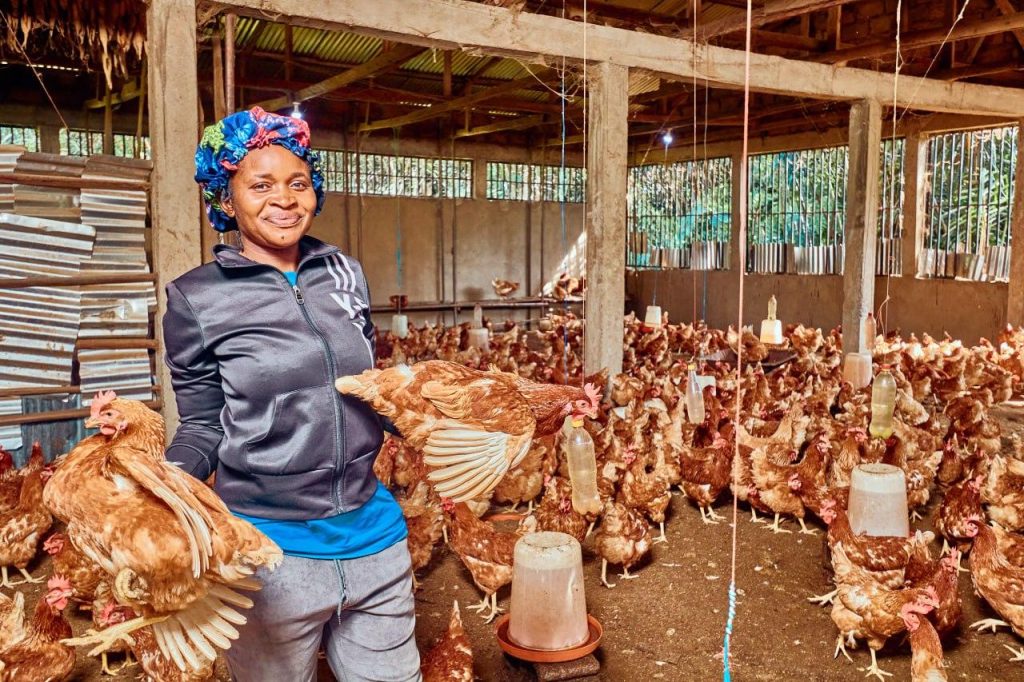
Innovation must go beyond developing new technologies; it must lead to practical solutions that improve farmers’ livelihoods, reduce food loss and waste, strengthen food security, and protect the environment. By working together and investing in sustainable food systems today, we can build a future where nutritious food is accessible to all and agriculture supports both people and the planet and natural resources are protected for future generations. How we innovate today will shape how we nourish tomorrow.
Images Courtesy of World Vision, UNDP, WFP, Chocolate Lifestyle and Finstock Evarsity.