
Potatoes are one of the most loved and widely consumed foods across the world. From potato fries and crisps to traditional African meals prepared with potatoes, the crop has become an important part of daily diets in many homes. Its versatility, nutritional value, and growing industrial use continue to make it an important crop for both food systems and economic development. It’s a crop that is climate resilient, has fast maturity, with a growing consumer demand, which positions it as a strategic solution for Africa’s food security and economic transformation

Potatoes are naturally gluten free, making fresh potatoes suitable for people living with celiac disease or gluten intolerance. They are highly nutritious and provide essential nutrients needed for human health. They are rich in complex carbohydrates, which supply the body with steady energy. Potatoes also contain important vitamins and minerals including Vitamin C, potassium, iron, zinc, magnesium, calcium, folate, and vitamin B6. It is valued for its dietary fibre content. This makes it a strategic crop, to help fight hunger and malnutrition in developing nations, because they are not only affordable, easy to prepare, but their production yield is high within a short period.
Globally, potatoes are among the most productive food crops. According to the Food and Agriculture Organization (FAO), potatoes can produce more food per unit of land and water compared to major cereals such as maize, wheat, and rice. The crop matures quickly, with many varieties ready for harvest within three to four months. This fast maturity makes potatoes highly suitable for smallholder farmers and areas facing changing climate conditions.

As the world marks the United Nations International Day of the Potato, we can’t fail to mention its significant contribution to socio-economic development. The potato value chain creates employment opportunities in farming, transport, storage, processing, marketing, and food service industries. The crop supports rural livelihoods and contributes to agro-industrial growth through processing into products such as crisps, starch, flour, frozen chips, and animal feed.
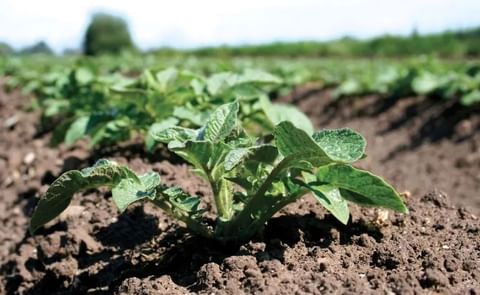
Potatoes are crops that are not affected by international market fluctuations, for they are largely traded within local and regional markets. This helps stabilize prices and protects many farmers from global price shocks. This helps strengthen community resilience and food security. To ensure its sustainability as a strategic crop when it comes to food and income security, it’s important to recognize as well the untapped potential of the crop, especially in Africa. Increased investment in certified seed systems, disease management, irrigation, storage facilities, extension services, and market access could significantly raise production levels across the continent. Experts estimate that reducing post-harvest losses and improving productivity could create millions of jobs within the potato industry.
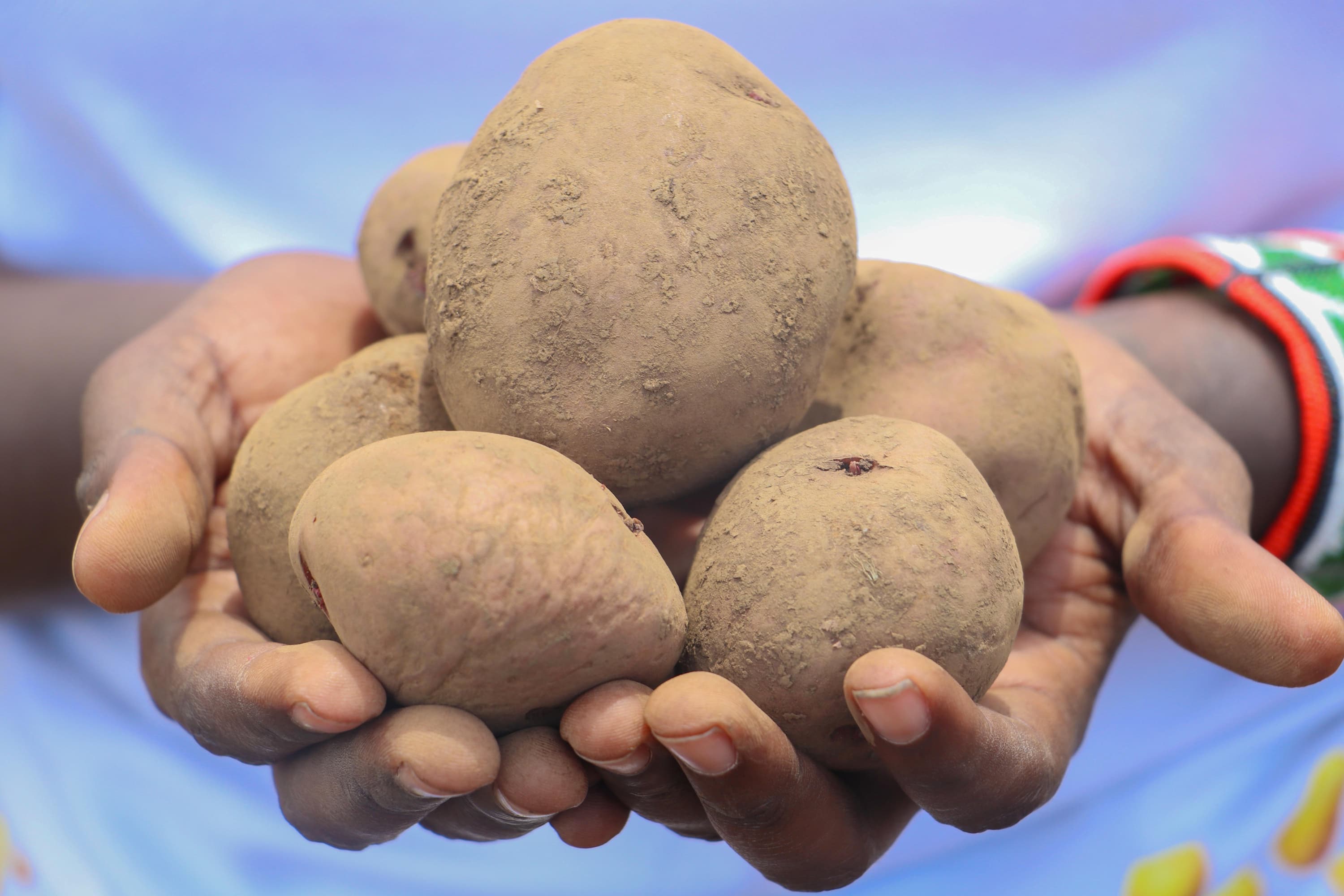
As the world marks World Potato Day, Africa has an opportunity to recognize that potatoes are not just a food crop, but a strategic driver when it comes to food security, nutrition, employment, and industrial growth. And with Africa’s population rising, increased diet change, and rising pressures on agricultural systems, investment in potato production, certified seed systems, irrigation, research, mechanization, storage, and value addition is becoming more important across the continent. The continent has the opportunity to strengthen the potato sector through research, farmer support, value addition, and improved market systems to unlock the industry socio-economic potential across Africa while building a more resilient and food secure future.
Images courtesy of Nakuru tubers, PotatoPro, Solynta, Farmworx Kenya & Potatonet.