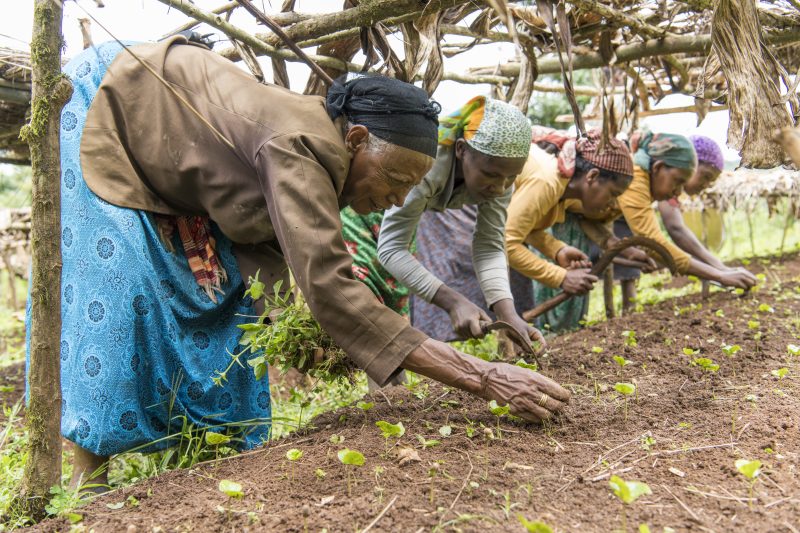
Women are essential in Africa’s agricultural sector. Within households, they contribute significantly to agricultural activities, particularly at the production level. According to the Food and Agriculture Organization (FAO), women account for a large share of employment in agrifood systems, especially in the lower levels of agricultural value chains. In spite of their contribution, rural women still face major challenges. These include limited access to land, markets, finance, technology, and agricultural services. They as well face high burden of unpaid care and domestic work and often have fewer employment opportunities outside agriculture. Social norms and traditional practices further limit their access to resources and opportunities in more profitable nodes in the agricultural value chain.
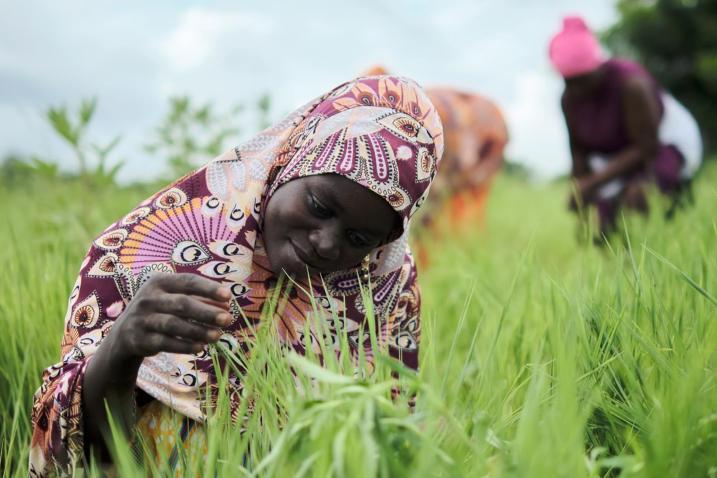
In sub-Saharan Africa, women make up the majority share of the agricultural workforce. However, many work as casual labourers or contribute to family farming without receiving adequate payment or recognition for their work. These inequalities tend to limit their ability to invest in agriculture, expand their businesses, and respond to challenges such as climate change and food insecurity. But in order to achieve sustainable food security and improve agricultural productivity, it tends to require deliberate efforts to address these barriers. Rural women need equal opportunities to access land, agricultural inputs, finance, knowledge, technology, and markets. They must also have a voice in decisions that affect their livelihoods and the future of agriculture.
The Beijing+30 agenda highlights the importance of advancing gender equality and strengthening women’s participation in development. In agriculture, this means ensuring that rural women have equal opportunities to participate in decision-making, influence policies, and take up leadership positions. Their experiences and ideas should be considered When developing agricultural programmes and policies. Governments also need to strengthen laws and policies that protect women’s rights to own, inherit, and control land and other productive resources. These efforts support Sustainable Development Goal 5 (SDG5), particularly Target 5.a, which calls for reforms to give women equal rights to economic resources, including access to land, property, financial services, inheritance, and naturaI resources in accordance with national laws.
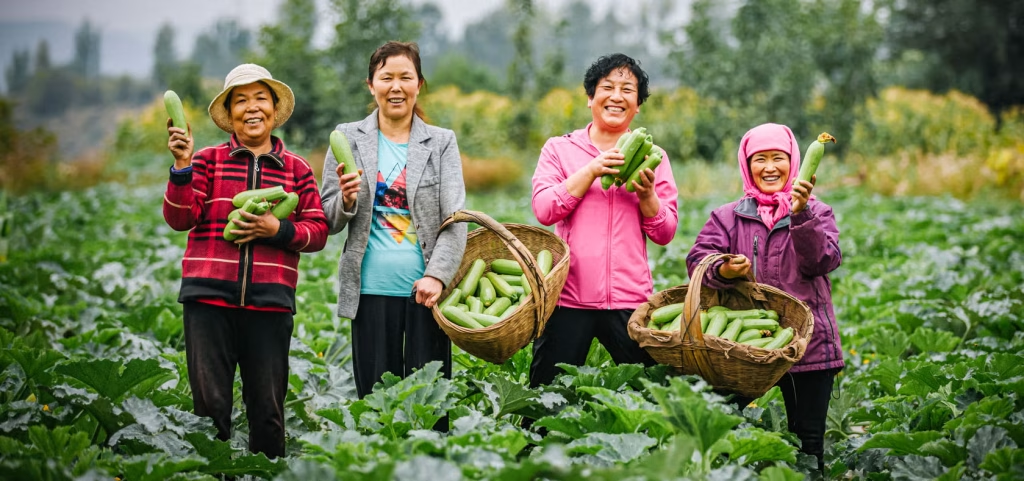
Improving women’s access to land, agricultural inputs, extension services, finance, and digital technology is key, when building inclusive and productive agrifood systems. Such investments help women increase production, improve their incomes, create employment, and strengthen their ability to cope with economic and environmental challenges. Agriculture potential to create decent employment opportunities in the green economy, particularly in rural areas is extremely high. Supporting women to participate in agribusiness, value addition, processing, and marketing can help reduce poverty and strengthen rural economies. When women have access to education, resources, and economic opportunities, the benefits by proxy extends to their families and communities through improved nutrition, education, stable household, and improved livelihoods.
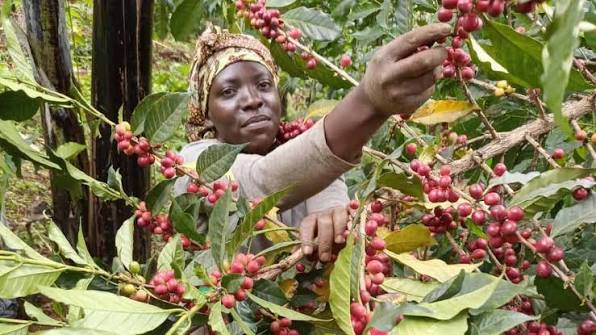
As we mark the International Day of Rural Women on 15 October, whose, 2026 theme, Rural Women Rising: Building Resilient Futures with Beijing+30,” provides an opportunity to recognize the contribution of rural women to agriculture and food systems. 2026, being United Nation’s year of the woman farmer, also calls for transformative efforts that will address the barriers that prevent women from fully participating in agricultural development
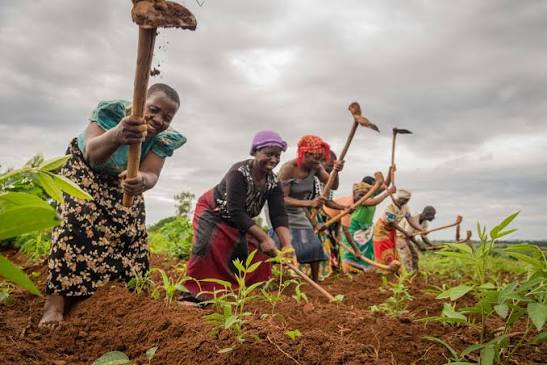
Empowering rural women is not simply a matter of promoting gender equality, it is also an investment in the future of agriculture and food security. There is need for collaborative action, from different stakeholders, to work together to improve women’s access to productive resources, markets, technology, and leadership opportunities. When rural women have the resources, skills, and freedom to make decisions, they are better placed to build successful agricultural enterprises, improve their livelihoods, and contribute to resilient food systems. Recognizing their work is important, but creating an environment where theycan own, invest, lead, and benefit from agriculture is what will drive lasting sustainable сhange in our food systems.