
Rangelands are a vital resource across the Intergovernmental Authority on Development (IGAD) region, supporting the livelihoods of millions of pastoralist and agro-pastoralist communities that depend largely on livestock production. According to IGAD, about 70 percent of the region consists of arid and semi-arid lands (ASALs), making rangelands one of the most important ecosystems for sustaining livelihoods and economic activities in the region.
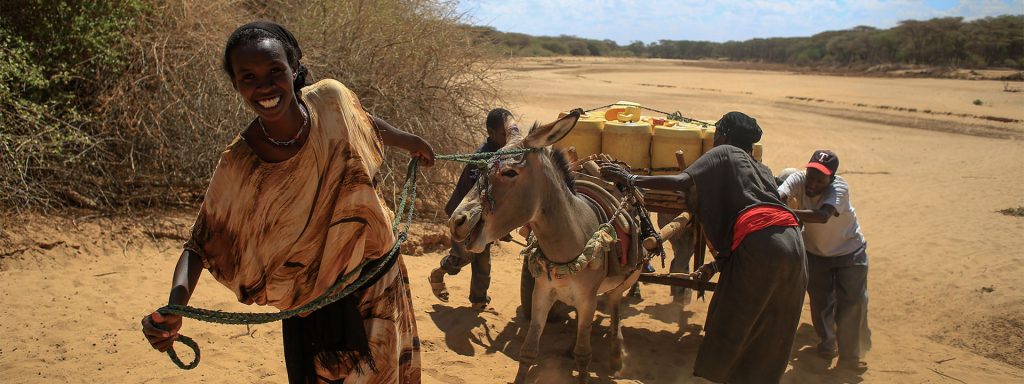
The eight IGAD member states, Kenya, Ethiopia, Somalia, Djibouti, Eritrea, Sudan, South Sudan, and Uganda, continue to face recurring droughts that have intensified in recent years due to climate variability and climate change. These prolonged dry periods have placed immense pressure on rangelands, livestock production systems, water resources, and food security.
Rangelands remain essential for both local communities and national economies despite the challenges faced within the IGAD region. They provide grazing land and feed for livestock, which are key sources of food, income, and employment. Rangelands also supply wood for fuel and construction, support biodiversity, protect watersheds, and provide raw materials for various industries. In many areas, they serve as important carbon sinks, helping to mitigate the impacts of climate change.

As the world commemorates the World Day to Combat Desertification and Drought 2026 under the theme, “Rangelands: Recognize. Respect. Restore.”, attention is being drawn to the critical role that rangelands play in climate resilience, food and water security, biodiversity conservation, and the preservation of the cultural heritage of pastoralist and indigenous communities. The theme highlights three key actions. First, it calls for recognizing the ecological, social, and economic value of rangelands and their contribution to sustainable development. Second, it emphasizes on respecting the traditional knowledge and stewardship practices of pastoralist and indigenous communities who have managed these landscapes for generations. Third, it advocates for restoring degraded rangelands through sustainable land management, improved grazing practices, and investment in ecosystem rehabilitation to secure livelihoods and maintain essential ecosystem services for future generations.
Failure to effectively address desertification, it worsens the impacts of drought across the IGAD region. During prolonged dry periods, millions of people face food shortages and often depend on emergency food assistance. Rising food prices, reduced agricultural production, and declining livestock productivity further increase the vulnerability of rural communities and urban households alike. To reduce the effects of future climate related disasters, governments need to invest in long-term solutions that strengthen water security and agricultural resilience. These include expanding water harvesting and storage systems, constructing and rehabilitating dams, promoting irrigation, and adopting water recycling technologies for agricultural use. Reliable access to water is essential for sustaining crop and livestock production, particularly in arid and semi-arid areas.

African governments should also encourage the cultivation of climate resilient and drought tolerant crops that can withstand changing weather conditions while providing stable food and income sources for farmers. Increased investment in agricultural research, extension services, and climate-smart farming practices can further enhance productivity and resilience.
One of IGAD’s key priorities is to reduce drought-related risks and improve food security across its member states. Achieving this goal requires strong government commitment through the development and implementation of effective policies, as well as well coordinated drought risk management and response systems. Early warning mechanisms, disaster preparedness programmes, and sustainable natural resource management must form part of national development strategies.

Agriculture remains the backbone of many economies in the region and offers significant opportunities for economic growth. The sector supports livelihoods, supplies raw materials to industries, and creates employment opportunities across agricultural value chains. Increased investment in agricultural development can help reduce poverty, generate jobs, strengthen rural economies, and improve food security. When supported by sound policies and adequate infrastructure, agriculture has the potential to drive sustainable socio-economic transformation throughout the region.
As the world marks the 2026 World Day to Combat Desertification and Drought, we can’t fail to mention why healthy rangelands are essential for resilient communities, sustainable livestock production, and long-term food security across the IGAD region. Protecting these landscapes requires collective action from key stakeholders. By recognizing the value of rangelands, respecting the knowledge of pastoralist communities, and investing in the restoration of degraded ecosystems, countries can strengthen their ability to withstand drought, conserve biodiversity, and secure livelihoods for future generations. Sustainable management of rangelands is not only an environmental necessity but also a practical pathway toward economic growth, climate resilience, and lasting prosperity in Africa and beyond.
Images courtesy of Northern Rangelands Trust, Oxfam and IGAD