
Schools across Kenya are undergoing significant transformation under the Competency Based Curriculum (CBC), which emphasizes on practical learning and the development of life skills. One notable transformation has been the establishment of long-term, sustainable food production systems within schools, particularly in the Arid and Semi-Arid Lands (ASALs). These initiatives are helping learning institutions improve food self-sufficiency while providing students with hands-on agricultural knowledge and skills.
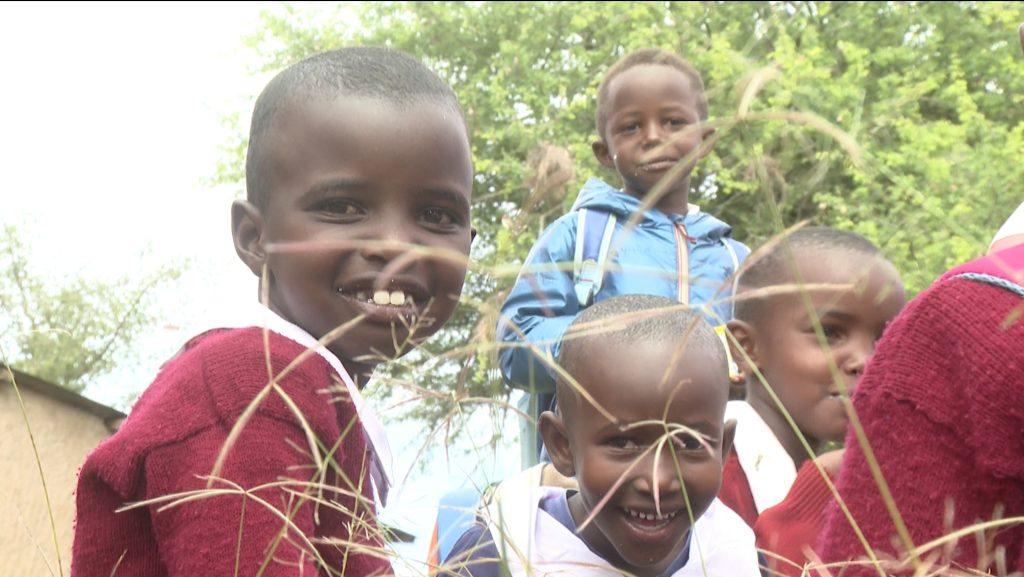
To support schools through the 4K club, the Rockefeller Foundation, working in collaboration with Farming Wonder founded by Mr. Daniel Thairu, has facilitated the installation of multi-storey gardens in schools across Kenya. The project is aimed to strengthen food security, improve livelihoods, and support economic growth through climate-smart agriculture. The multi-storey gardens provide an innovative solution in addressing challenges related to limited land and water resources, allowing schools to produce vegetables and other nutritious crops throughout the year. Beyond food production, the program seeks to improve access to healthy and balanced diets for learners while demonstrating sustainable farming practices that can be replicated within local communities.
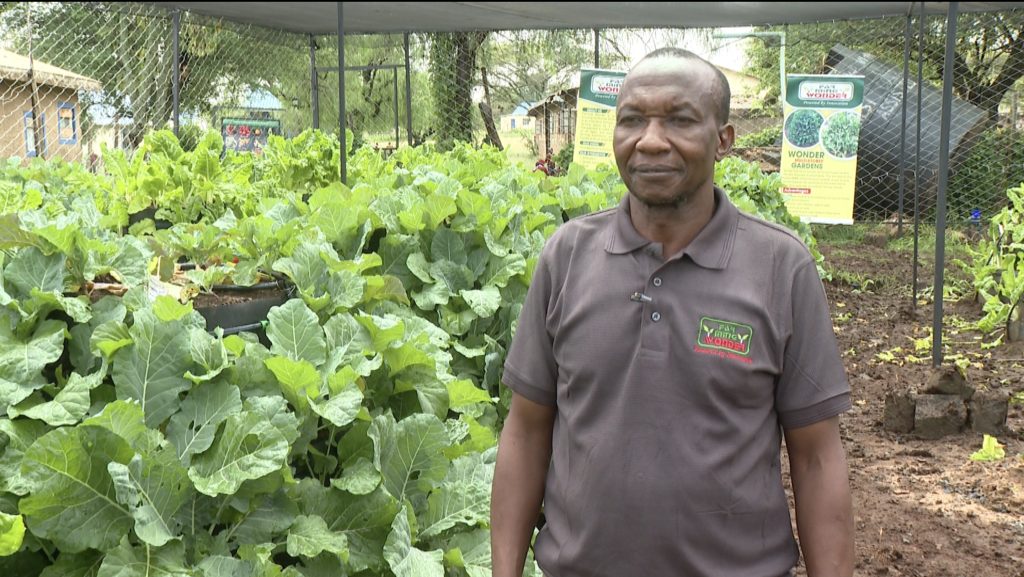
Ole Simbano Watson, the Principal of Sajiloni Primary School, says the school’s feeding program has undergone a significant transformation since the introduction of vertical gardens through the support of Farming Wonder. Previously, the school relied on purchasing vegetables for students’ meals. Today, a significant portion of the vegetables served to learners is harvested directly from the school’s gardens, helping reduce food costs while improving access to fresh produce.
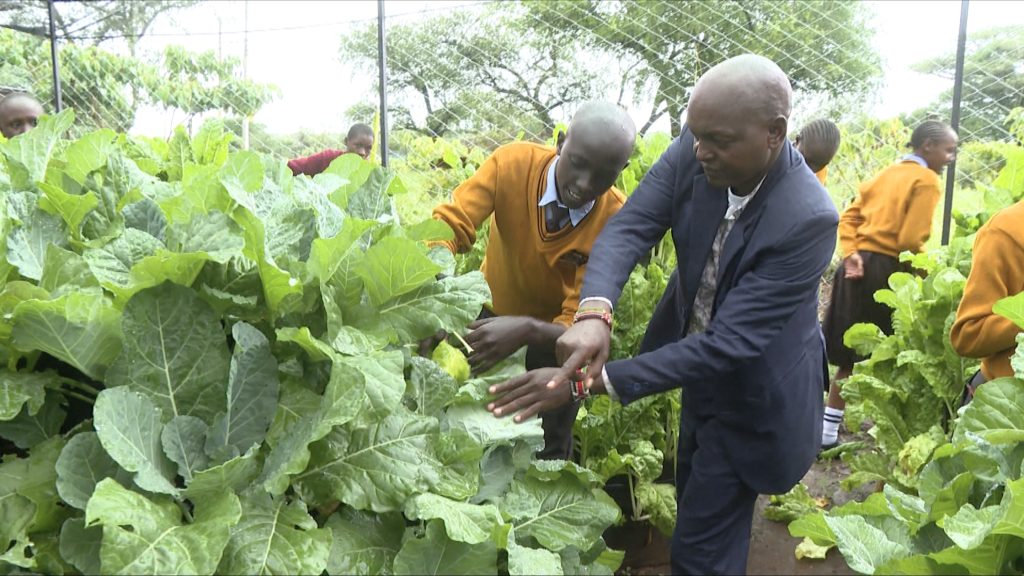
According to Simbano, the multi-storey gardens have attracted considerable interest both within and beyond the school. To ensure the gardens are properly maintained, teachers work closely with the school’s 4K Club to involve learners in daily farm activities. Students from different classes are assigned responsibilities for managing the gardens, including during school holidays. This structured approach has contributed to the success and sustainability of the project.
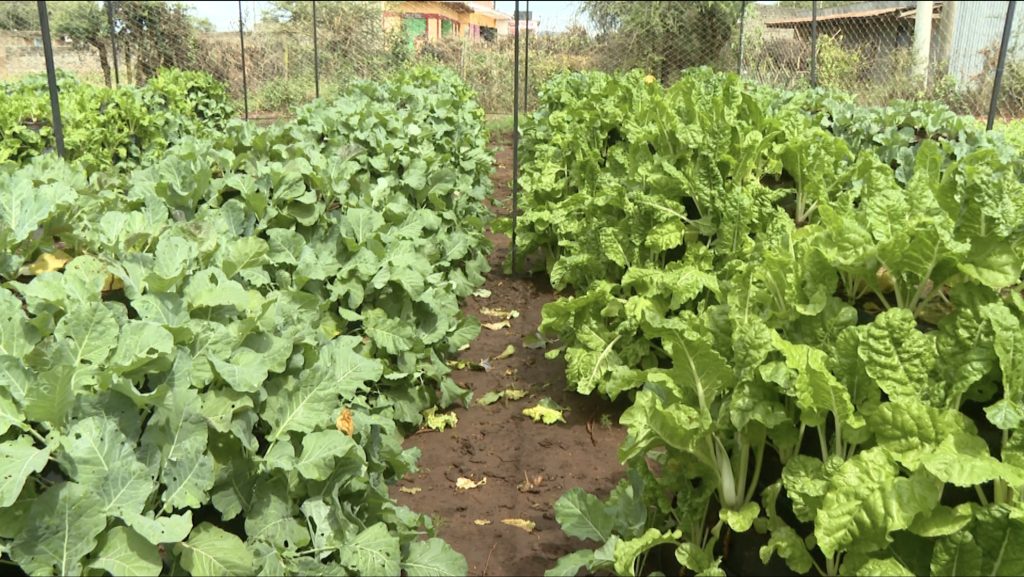
The principal notes that the innovation has enhanced the school’s reputation, contributing to increased student enrolment. Simbano believes that vertical gardening is a practical solution for schools, provided there is commitment and proper management. He emphasizes that producing food within the school allows institutions to trace the source of vegetables served to learners, while also lowering feeding expenses.
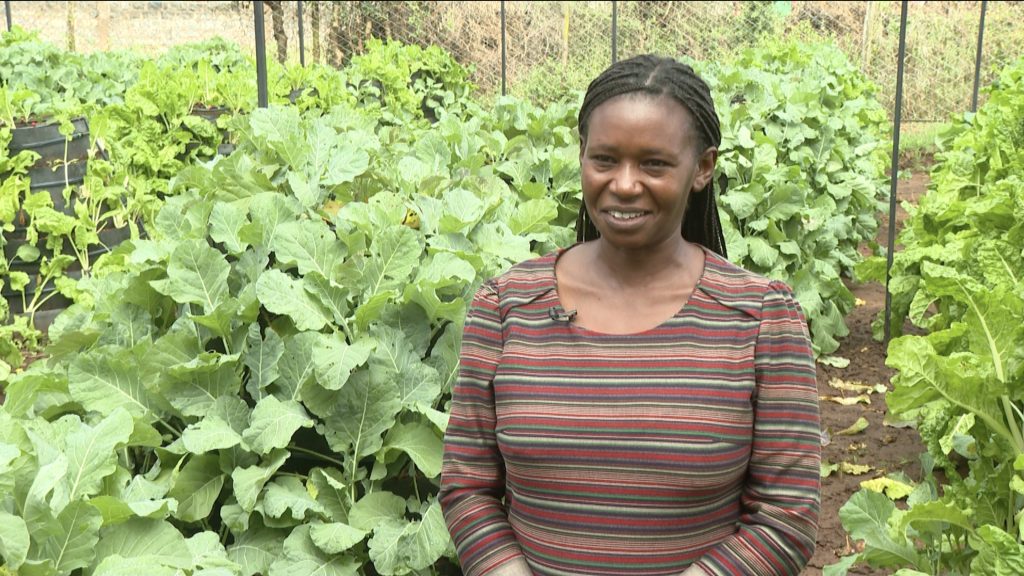
Peninah Muli, a Junior Secondary School teacher at Sajiloni Primary School, says her passion for agriculture motivated her active involvement in the vertical gardening project. She works closely with students, guiding them in crop management and encouraging them to take ownership of the gardens. Together with learners, she regularly inspects the gardens for weeds and pests, teaching practical crop management skills through hands-on learning. Ms. Muli explains that the project goes beyond food production. It serves as a learning platform where students acquire agricultural knowledge that can be applied at home. Through active participation, learners develop skills valuable for their future.
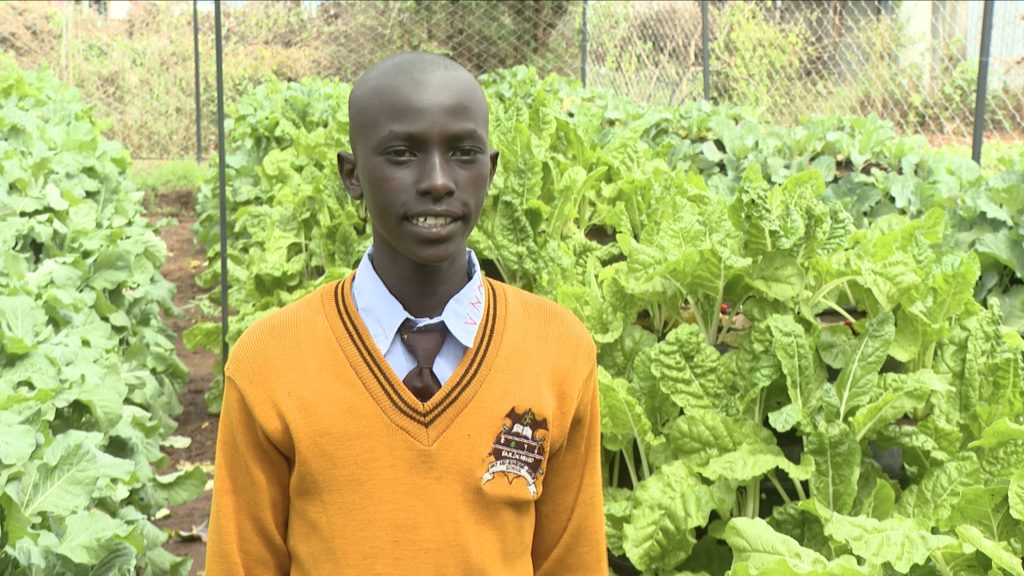
For Grade 9 learner Elisha Melita, the most fascinating aspect of the project is the ability to grow food in a small space using an unconventional farming system. He says the concept of producing crops without relying entirely on ground-level cultivation was new and exciting. Elisha adds that there is a unique sense of pride in consuming vegetables grown through one’s own effort.
Coming from a Maasai pastoralist background, Elisha explains that vegetables have traditionally played a limited role in local diets compared to milk and meat. The availability of vegetables within the school environment has therefore exposed students to new food choices and nutritional benefits. Inspired by the experience, he hopes to pursue agriculture in senior school, viewing it as both a source of income and an essential sector that contributes to national food security.
Daniel Thairu, Founder of Farming Wonder, spearheaded the establishment of the vertical gardens at Sajiloni Primary School. His beliefs, “Why buy what you can grow?” He explains that the school currently has 50 vertical gardens that support the feeding program for approximately 400 learners. He mentions that the farming system is reliant on organic production methods. The school uses goat manure sourced from local pastoralist households as a natural fertilizer. According to Thairu, the multi-storey design significantly increases production per unit area. In a space that would normally accommodate about 16 plants under conventional cultivation, the Farming Wonder system can support up to 120 plants through vertical stacking allowing schools and households to maximize productivity even where land is limited.
He estimates that each vertical garden can produce between 5 and 10 kilograms of vegetables per harvest cycle, depending on the crop and management practices. Another major advantage is water conservation. The vertical garden design can reduce water usage by as much as 80 percent compared to traditional open-field cultivation. Thairu notes that the innovation has continued to evolve over time. While the project initially focused on crops such as kale and spinach, the system now supports a wider range of crops, including onions, beetroot, maize, and beans. This diversification demonstrates the adaptability of the technology across different food crops.
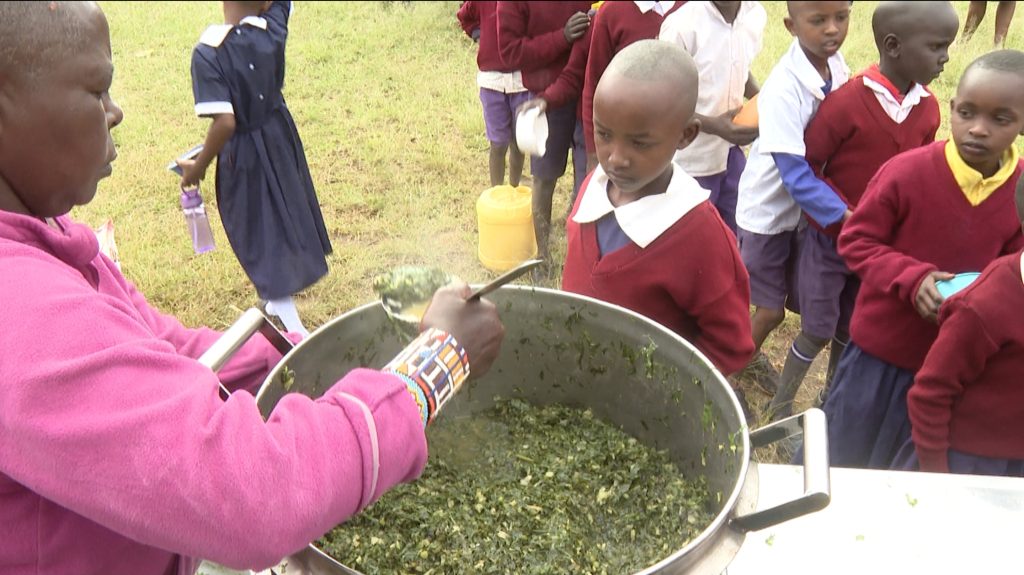
Sajiloni Primary School demonstrates how simple agricultural innovations can deliver lasting benefits in education, nutrition, and community development. Through the adoption of vertical gardens, the school has reduced feeding costs, improved access to fresh vegetables, conserved water, and provided learners with practical agricultural skills. The initiative shows that even in arid and semi-arid areas, limited land and scarce resources need not be barriers to food production. As climate change continues to challenge food systems across Africa, school-based farming models offer a practical pathway towards food security, environmental sustainability, and community self-reliance. By investing in similar initiatives, schools can become centers of learning, nutrition, and agricultural innovation, helping to nurture a generation that values farming as both a livelihood and a solution to future food challenges.