
A bright morning at a bustling poultry farm in Kenya reveals the promise and challenges behind the rapidly growing broiler chicken farming business, where passion meets practical strategy for success.
John Njuguna, Founder and CEO, Kuku Spur limited explains how broiler chicken farming in Kenya is fast emerging as a lucrative agricultural venture, attracting an increasing number of farmers eager to tap into its potential. John, an experienced farmer, manages over 50,000 broilers.
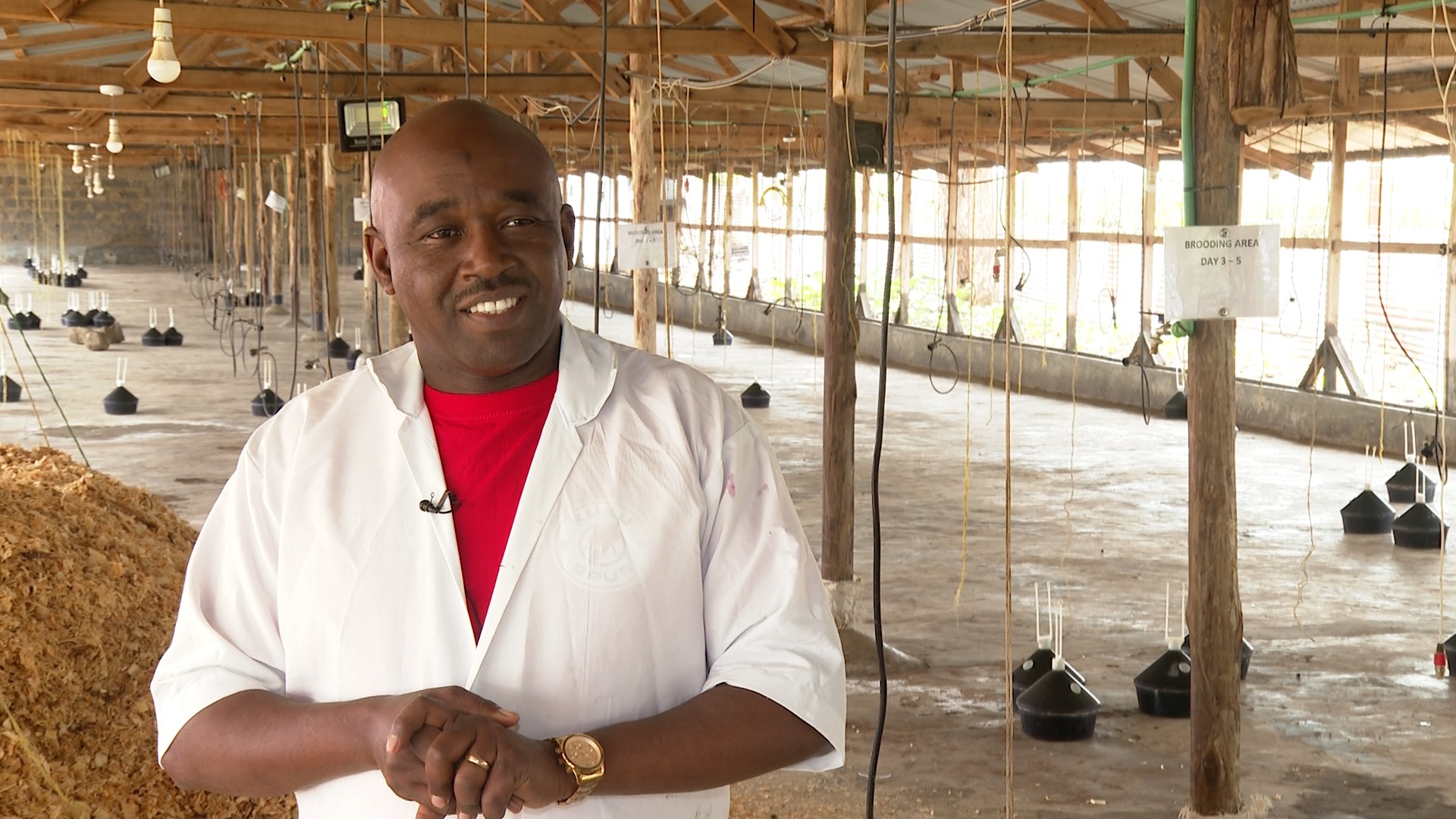
John’s journey into poultry farming began humbly with just 250 chicks in 2011. “I wasn’t knowledgeable at the start but grew my numbers steadily through self-education and practical experience—watching seminars, learning from online resources, and visiting other farms,” he shared.
At the heart of success in broiler farming, John emphasized, lies careful preparation of the poultry house before bringing in the chicks. “We spent about two weeks cleaning and preparing the coop. Proper biosafety measures are critical to reduce disease risks. No visitors are allowed until the chicks are 21 days old,” he noted.
He insisted that the orientation of the poultry house is important as well, explaining the need for an “East-West” orientation. “Sunlight shouldn’t penetrate the house directly because it stresses the birds and can spoil feed and water by warming them.”
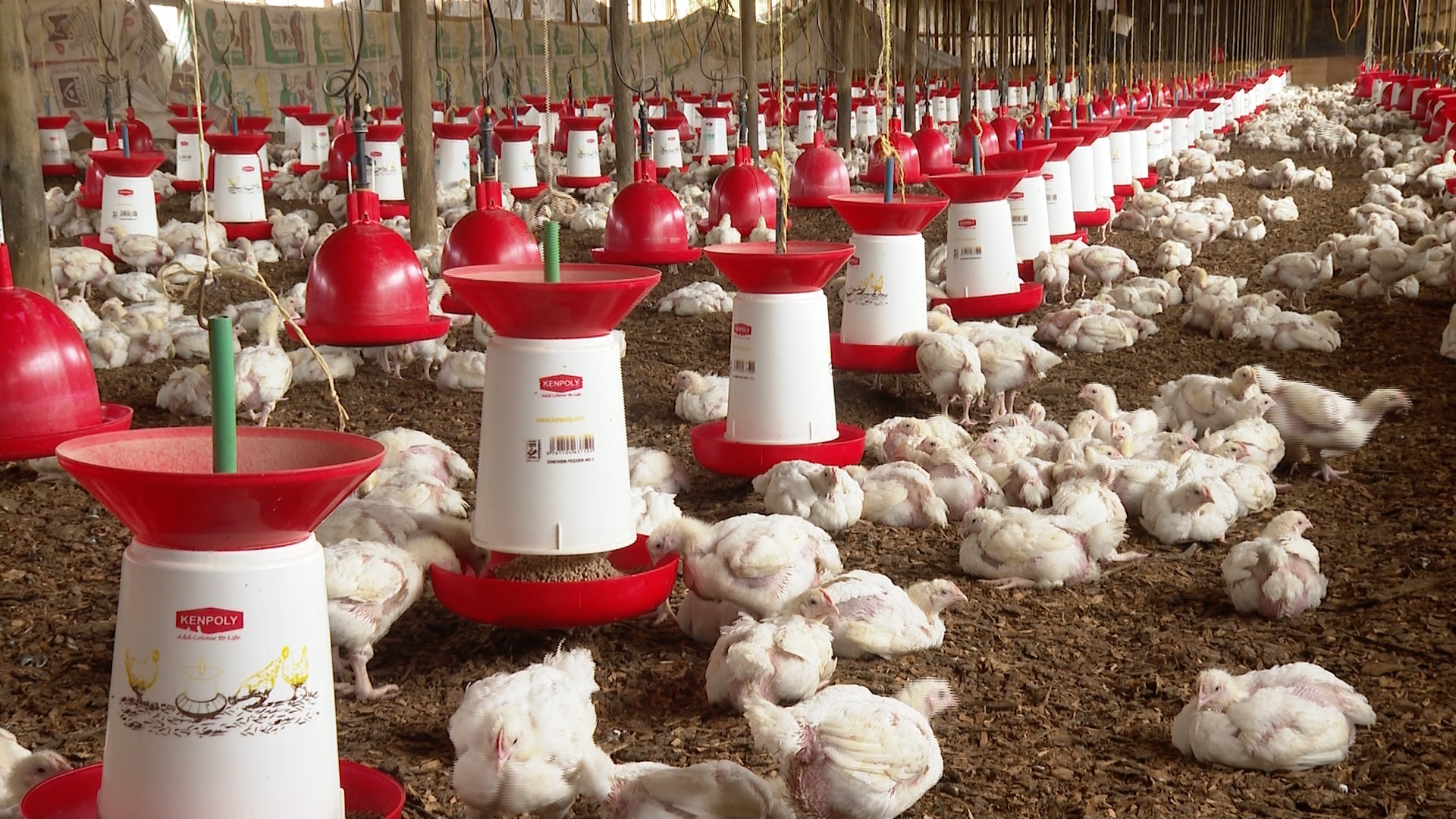
Ventilation comes next as a top priority. John pointed out that his poultry house is designed with wide side openings to allow sufficient airflow, essential for the birds’ health as they grow. Walls are kept low enough to ensure wind flow but high enough to keep cold out. “Birds need a lot of air to thrive,” he added.
He spoke extensively about the bedding material—wood shavings that cover the entire floor. “It must be dry, odorless, and free of foreign objects. It’s important because the birds spend most of their time on the floor resting and feeding,” he explained.
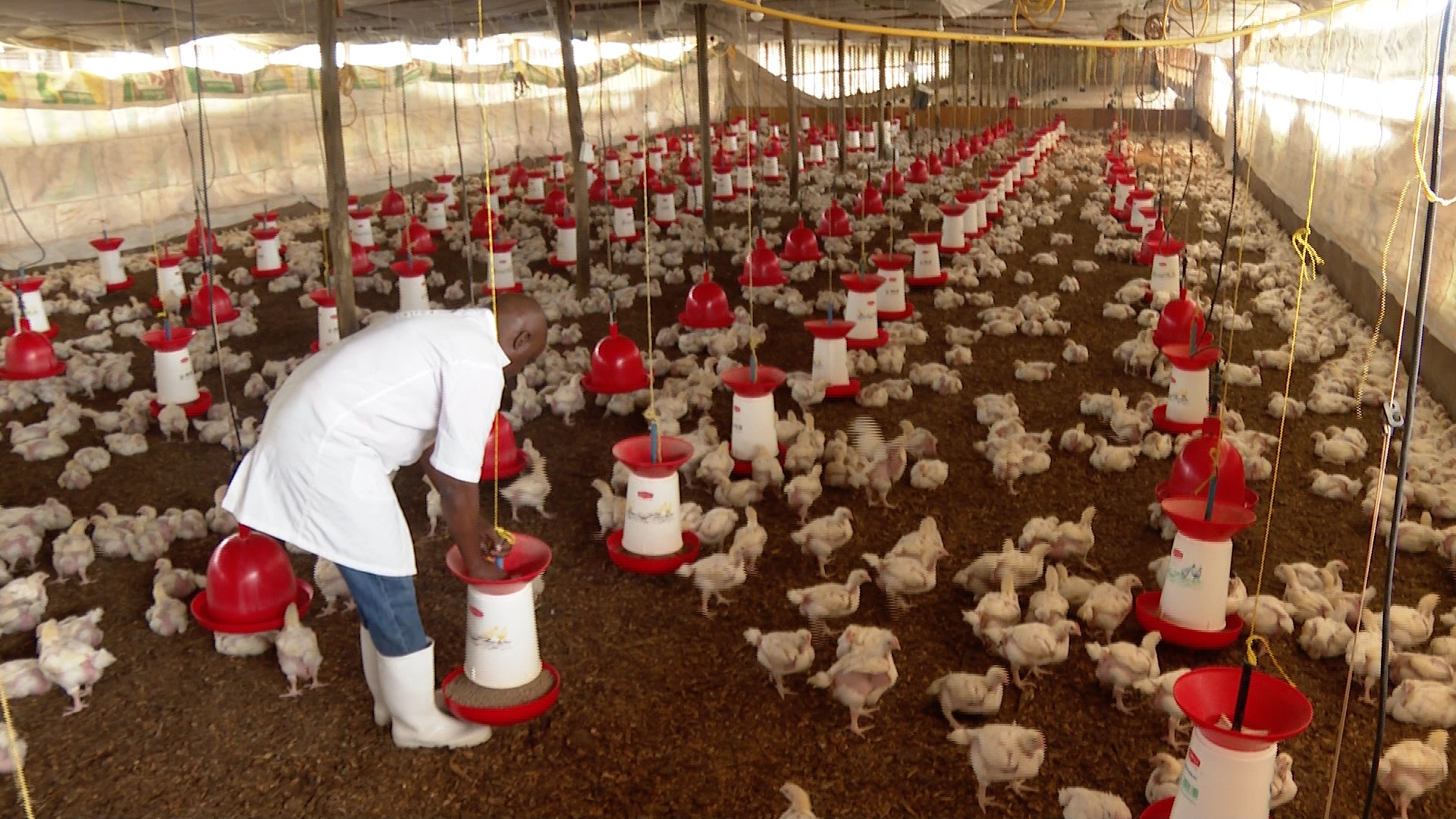
Heating in the first 18 days is provided using gas heaters to maintain an ideal temperature of about 32 degrees Celsius, a system John favors for its efficiency and ability to not crowd the birds. “Good temperature control early on reduces mortality rates dramatically,” he said.
Managing mortality and disease requires diligence. John revealed that the most common disease they face is Mycoplasma, a bacterial respiratory infection. “It causes sneezing and stress, which affects bird efficiency,” he said. To control outbreaks, strict sanitation and good hygiene are indispensable, including frequent cleaning and ensuring the environment is dry and clean to prevent bacterial growth.
Vaccinations are given against common viral infections like Gumboro and Newcastle diseases, but John warned that vaccines alone are no guarantee. “Biosafety is the strongest defense. We keep wild birds away and monitor the chickens closely every two hours,” he said.
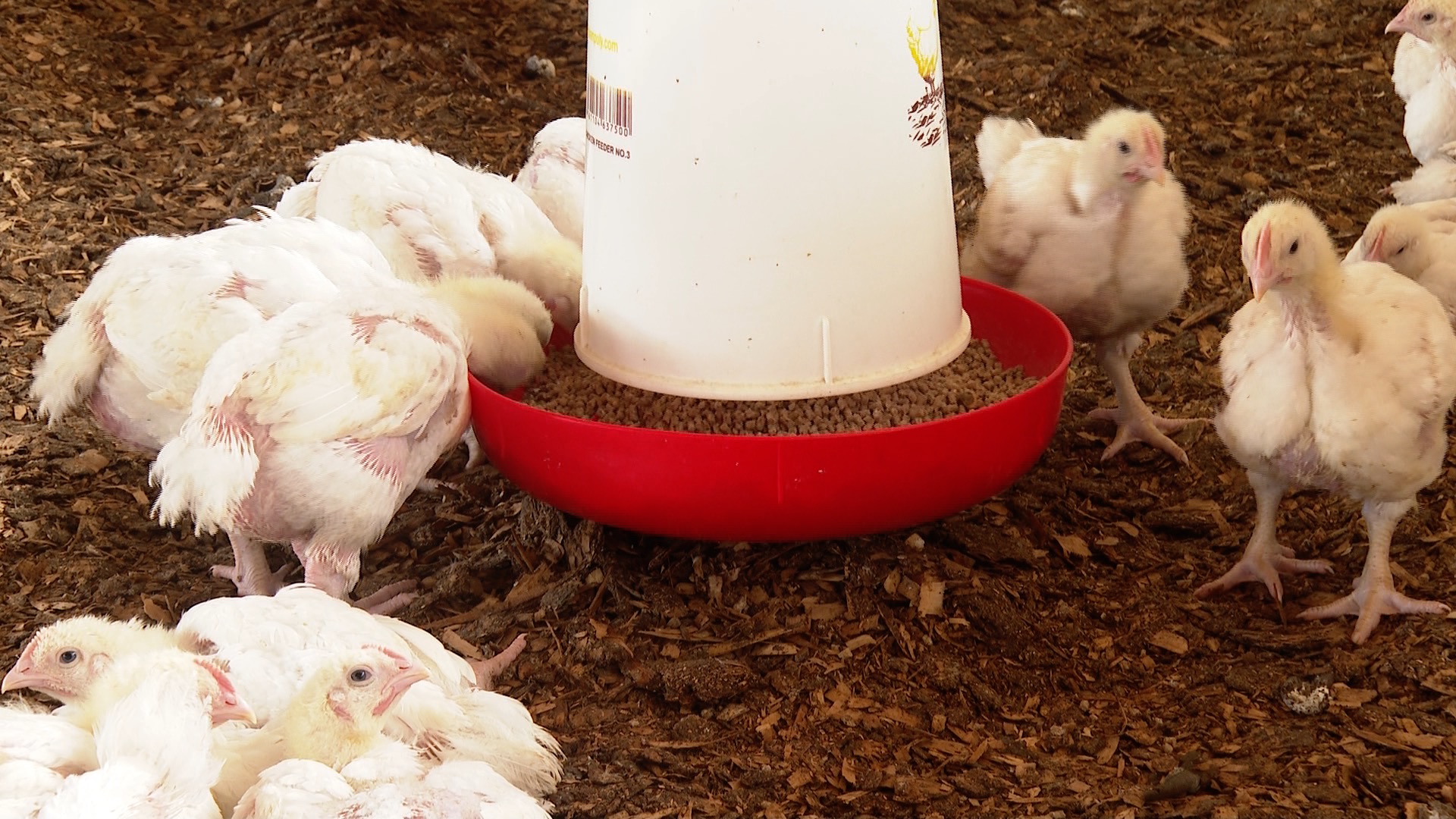
Feeding the broilers is another critical aspect as John described a commonly used two-phase feeding regime: from day one to 18-21 days, chicks are fed starter crumbs, followed by finisher pellets until maturity at 35 days. “Each bird consumes about 3.3 kgs of feed in total. Nutrition is vital for achieving good body weight—around 2 kgs by harvest,” he explained.
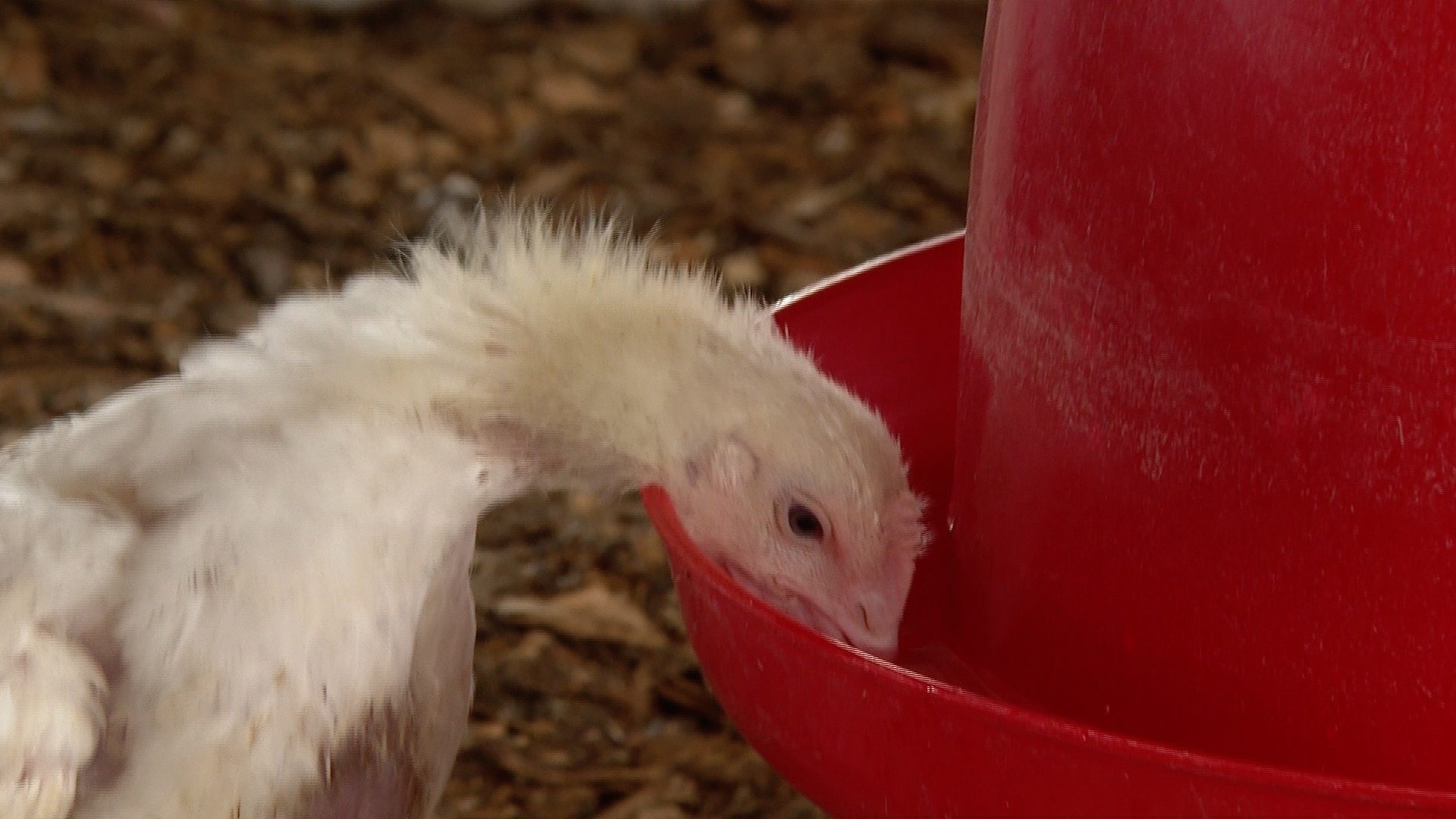
Water, John emphasized, is just as essential as feed. “Clean water is a must; birds drink around 7 to 8 liters in their 35-day life cycle,” he reminded.
Financially, John lauded broiler farming for its quick turnaround and cash flow. “In about 8 weeks, I get my money back, which makes it less risky and more manageable compared to other livestock businesses,” he said. Despite market fluctuations in supply and demand that cause price swings, he advises consistency. “Stay in the market, be consistent, and you’ll catch the right demand cycles.”
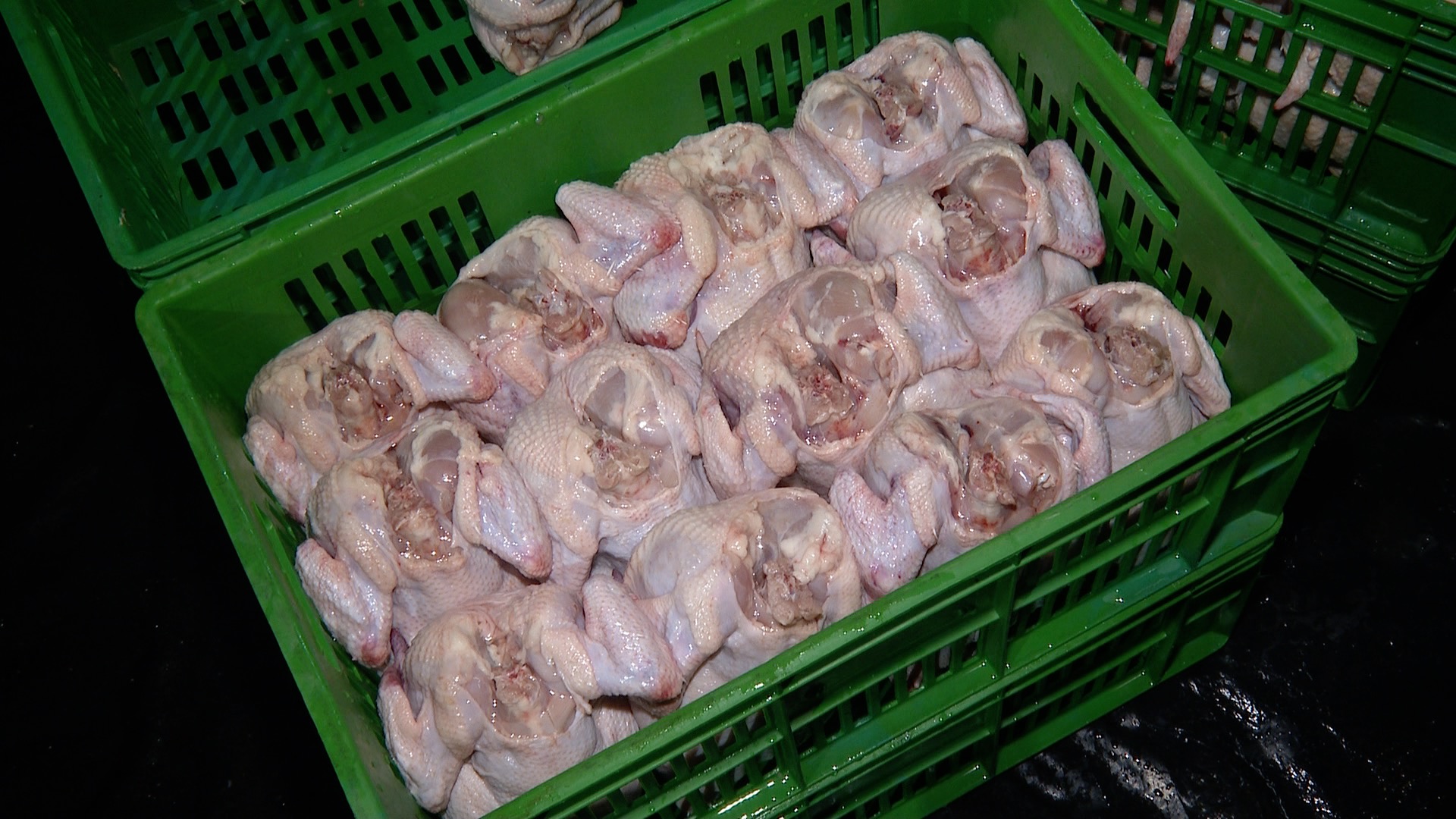
Broilers are sold predominantly by live weight, usually about 320 Kenyan shillings per kilo. John also highlighted the added value in selling dressed birds and offal like liver and gizzards, maximizing profits from every part of the chicken.
For newcomers, John’s advice is clear: “Raising broilers isn’t easy, but it’s not hard either—focus is key. Know your market well before starting, whether you do contract growing or direct sales. Good management and biosafety practices will give you the best outcomes.”
Broiler chicken farming in Kenya is not just a business but a passion for John and many others who see the farm as a life and livelihood. “Birds are my passion, this business is my life,” he said confidently, embodying the spirit of a growing community fueling Kenya’s poultry boom.

As broiler farming expands across the country, John’s detailed account offers a practical blueprint for those willing to invest time, knowledge, and dedication into this vibrant sector, promising food security, employment, and economic upliftment for many Kenyans.