
Spirulina, a type of microscopic algae, has quietly risen to fame as one of the world’s most nutrient-dense superfoods containing up to 70% protein by weight which is nearly three times that of meat or fish.
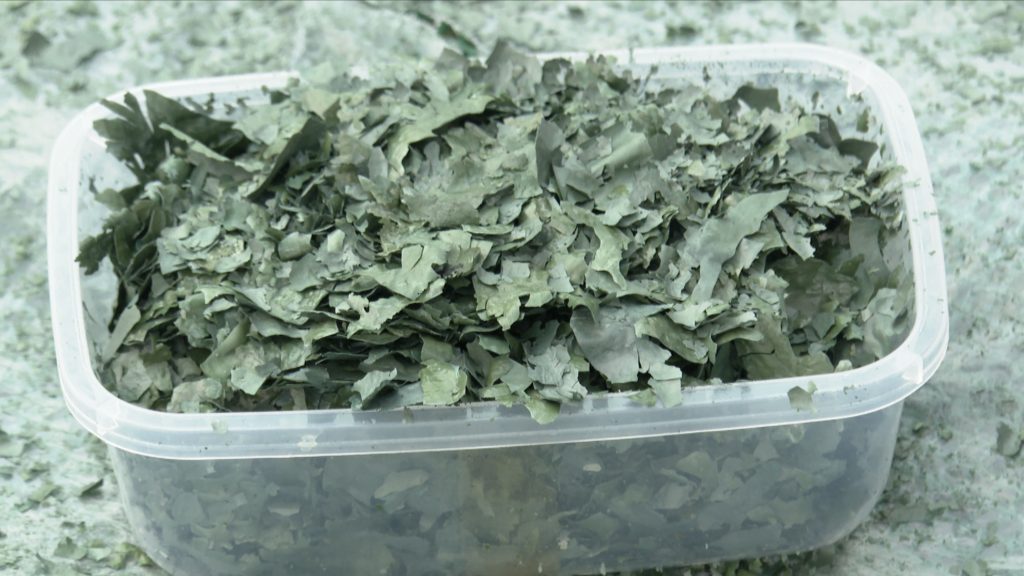
Spirulina offers a powerful food supplement rich in proteins, carbohydrates, vitamins, and minerals. What makes it more fascinating is its emerging role in combating food insecurity, especially in dry regions.
Kiriko Secondary School in Nakuru County, Kenya, stands at the forefront of spirulina cultivation, pioneering a unique approach that blends education, sustainability and nutritional innovation.
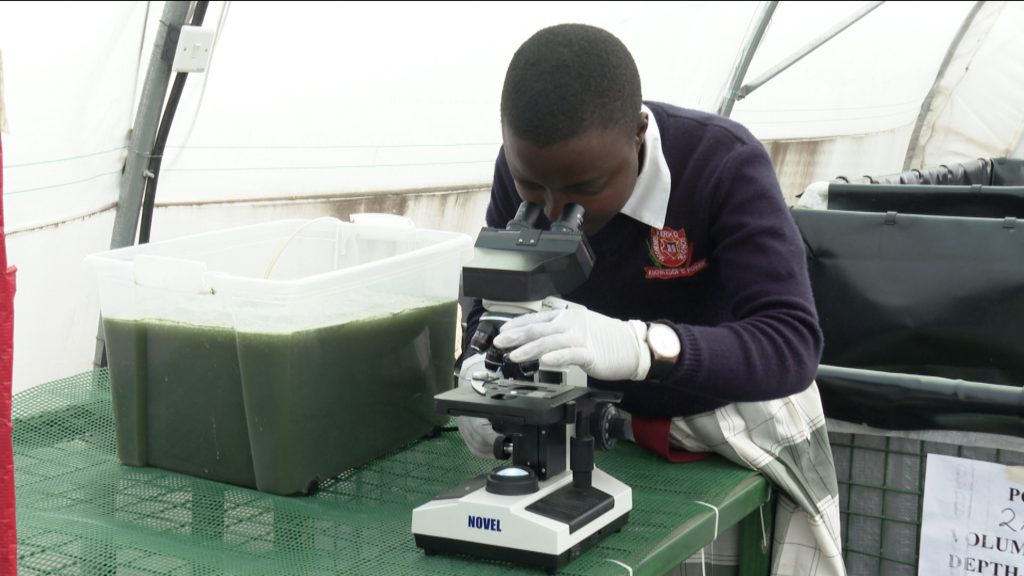
The introduction of spirulina farming at Kiriko Secondary School began through a partnership with the Engineers Without Borders program and support from the Israeli embassy. As the head of the agriculture club explained.
“This is an idea that was sold to us by a good friend, Engineers Without Borders Israel, together with the Israel Embassy some time back in November last year. We walked through this journey together and started in a small way, but now we can talk over mass production as time goes by.”
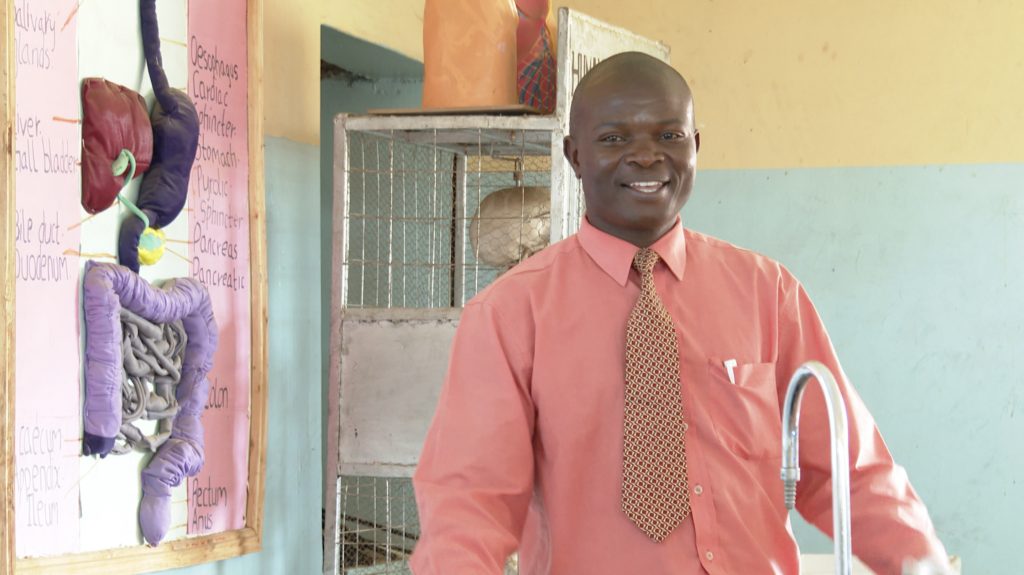
Teachers were sent for specialized training to master the cultivation process, which subsequently allowed them to establish a thriving spirulina farm at the school. This effort has not only been embraced by the students but also by the surrounding community with notable visits including the County Governor and representatives from the Office of the First Lady.
According to the science teachers involved with the project, spirulina is part of the cyanobacteria family, a form of algae that thrives in water enriched with carefully balanced fertilizers. “Spirulina is microscopic,” one teacher explained, “it has very thin filaments that float in water. It is green in color because it contains chlorophyll like other plants, and it manufactures food in the presence of light.”
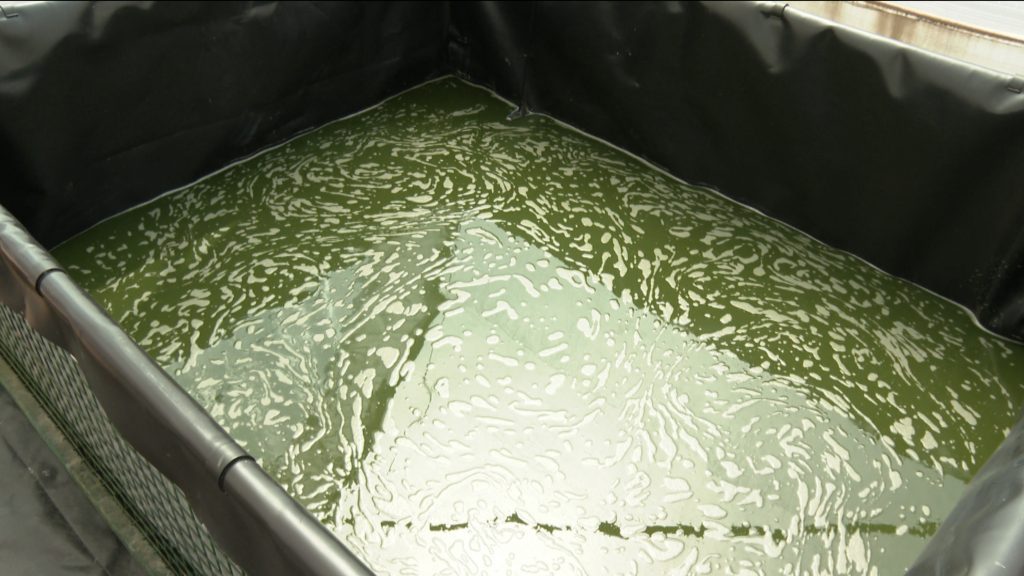
The cultivation involves adding six key fertilizers in precise proportions, sodium bicarbonate, mono potassium phosphate, potassium nitrate, magnesium sulfate heptahydrate, sodium chloride and one other key element—into a culture medium to create optimal growth conditions.
Spirulina farming requires meticulous attention to detail and constant maintenance. “A challenge in growing spirulina is that you really have to be there for it. The depth of the culture should not exceed 20 centimeters, and the pond temperature and pH must be constantly monitored,” the teacher shared. The ideal pH is alkaline, ranging from 9 to 10.8, while excessive heat or cold can kill the algae.
Daily maintenance involves gentle agitation or stirring of the water to prevent the filaments from breaking. This process must be done with care, as spirulina is delicate: “You start at one point and swirl gently in one direction to avoid breaking the filaments because when they break, they’ll pass through the harvesting net and reduce yield.”
To maintain hygiene and purity, it is cultivated in greenhouses to prevent contamination from insects, dust and harsh outdoor conditions. This controlled environment ensures that the final product is safe and ready for consumption.
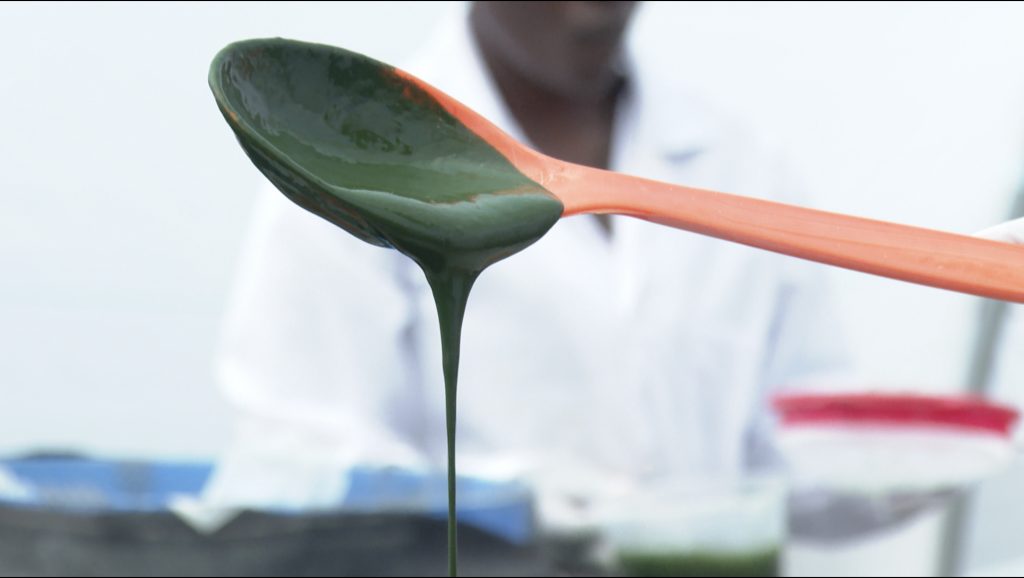
Harvesting spirulina is a straightforward yet precise process. The tiny algae are collected using special nets with very fine pores that trap the spirulina while allowing water to filter through. “What comes out is colorless water, but what remains trapped is green spirulina,” the expert noted.
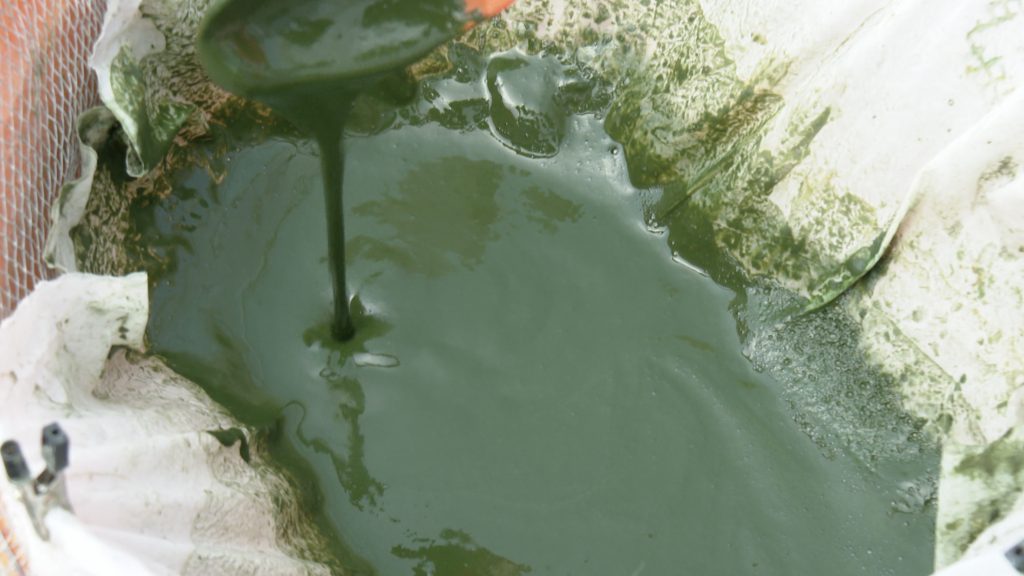
Post-harvest, the algae are rinsed in distilled water to remove impurities before being spread thinly on drying pans. The drying process is quick, taking about two hours under the hot sun, transforming the spirulina into green flakes that retain the nutritional content. The dried product is then stored in airtight containers, with a shelf life of up to three years if refrigerated.
The nutritional benefits of spirulina are profound. It offers a complete mix of essential nutrients, making it an excellent food supplement for children, adults, and the elderly alike. “If you have rice or chapati, you just add five grams of spirulina into it at different meals throughout the day. It’s particularly beneficial for children suffering from malnutrition like kwashiorkor or marasmus,” explained the teacher.
Spirulina is also valued for its potential in alternative medicine, assisting in managing conditions such as diabetes, hypertension and other lifestyle diseases, thereby offering both nutritional and therapeutic benefits.
Beyond food security, the spirulina project at Kiriko Secondary School serves as a practical, hands-on STEM (Science, Technology, Engineering, and Mathematics) learning tool. Students actively participate in monitoring conditions, adjusting fertilizers, stirring cultures and harvesting, thus gaining invaluable scientific and agricultural skills.
“This project not only addresses food security but also enhances STEM learning in classrooms by allowing students to see theory put into practice,” the teachers emphasized. The school has even gained recognition through this innovative project, attracting partnerships, sponsorships, and scholarship opportunities for students.
The project is projected to expand significantly: “We look forward to spreading this throughout other schools and scaling up our greenhouses and ponds. With licensing for public sale, the potential to combat food insecurity in Kenya is enormous,” said the project lead.
Kiriko Secondary School’s spirulina farm exemplifies innovation in sustainable agriculture and nutritional science. By blending education, community involvement, and scientific farming techniques, they have unlocked the potential of spirulina as a vital superfood and a solution to food insecurity.
As spirulina gains wider recognition and adoption, projects like this not only secure healthier futures but also empower young minds to become pioneers in scientific agriculture. For regions vulnerable to drought and food shortages, spirulina farming could be a game-changer.
A great project.
how can I get such a partnership in a school in Murang’a county.
Would really really like to empower my community.
This is a great project to empower youth and communities.
How can I get such a partnership in Murang’a county.
Africa is Capable to maintain It’s food produce that is high Nutritional and also medical.
This is also Sciencetific farming where African are Capable to provide Cure in the Farms. And Nutrients to Human beings.