
Africa’s meat industry is expected to increase exponentially due to urban growth.
Africa’s meat industry is expected to grow significantly, due to rapid urbanization, increased population, and rising demand for animal protein.
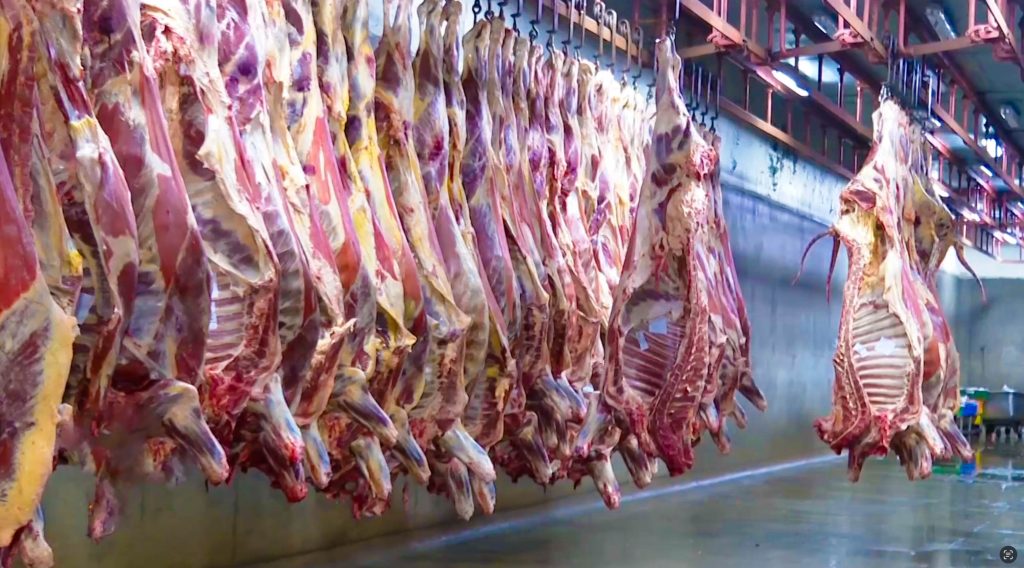
The industry in Africa is projected to have a compound annual growth rate (CAGR) of about 5.43%, with the market expected to reach approximately $108.23 billion by 2033. This upward trend is reinforced by growing consumption of processed meat, which continues to add value to overall meat production.
The African processed meat market alone is projected to reach 22 million tons by 2035, with an estimated market value of $90.8 billion. These highlights show the sector’s attractiveness and its potential to offer good returns on investment for producers and agribusinesses.
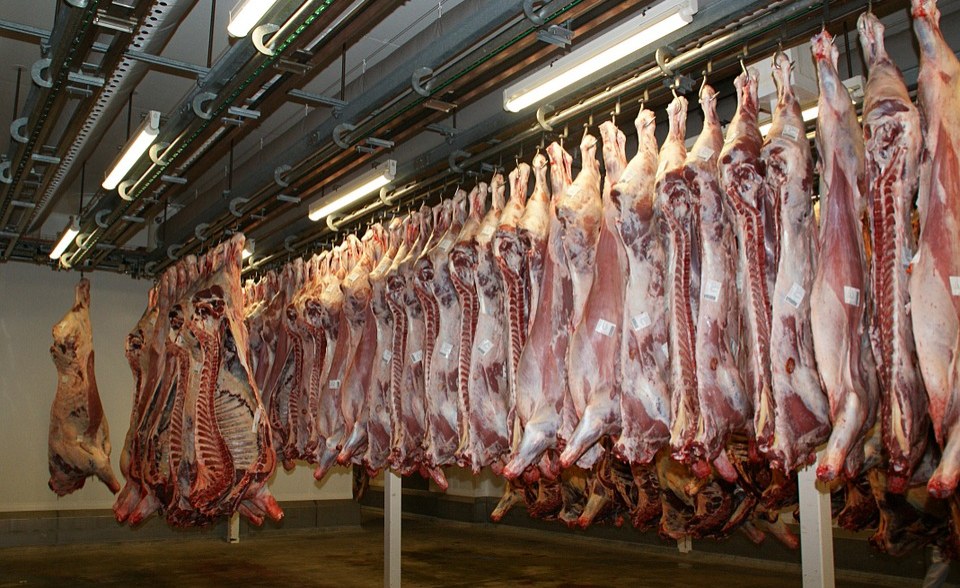
In Kenya, the livestock and meat industry plays a key role in the national economy, making a major contribution to the country’s GDP. It is a multi-billion-shilling sector with a value chain that spans from production, processing, distribution, and marketing, thus creating substantial job opportunities across the value chain. The industry has contributed to the global food economy through exports while strengthening national food and nutrition security by providing a reliable source of animal protein to local consumers.
The Kenya Meat Commission (KMC), established in 1950, is the oldest meat processing company in Kenya and the wider East African region. The commission is a world-class, halal-certified processor and a strategic buyer of livestock, playing a critical role in stabilizing the meat market and safeguarding farmers’ incomes.
According to Dr. Cyril Cheruiyot, Livestock Manager at KMC, “the commission slaughters up to 1,000 cattle per day during periods of high demand. When demand is lower, daily cattle slaughter averages between 300 and 400 cattle.”

Dr. Cheruiyot explains that KMC maintains strict animal health and quality standards, supported by a dedicated team of veterinarians and para-veterinarians who carry out ante-mortem inspections to ensure all animals presented for slaughter are disease-free.
“My team assesses body condition, discouraging the delivery of emaciated cattle.” Dr. Cheruiyot notes that KMC’s minimum specification is a live weight of 200 kilograms, which typically yields a carcass weight of about 100 kilograms. This standard ensures efficiency in processing meat and meat products,” he notes.
Gaudencia Liambila, Production Manager at the Kenya Meat Commission (KMC), notes that in addition to cattle, the commission also slaughters sheep, goats, and camels.
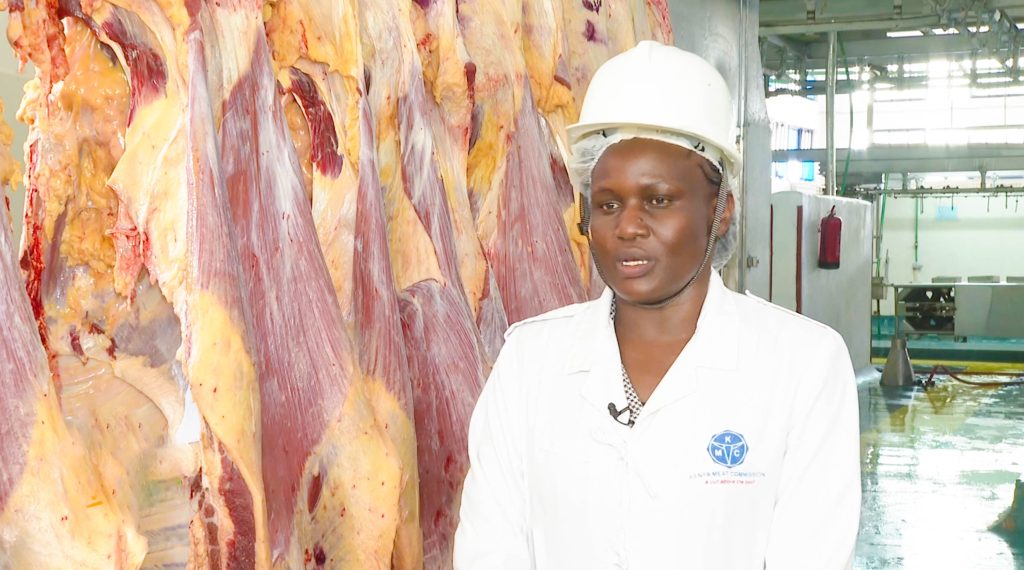
“After animals pass an ante-mortem inspection, they are moved to the production line, where halal slaughter is carried out through stunning at the knocking box. The carcasses are then transferred to the shop floor, where horns and trotters are removed before de-hiding using a combination of knives and mechanical equipment.”
After splitting, the carcasses move to the evisceration table, where internal organs are removed and inspected by veterinary officers. The inspection focuses on key organs such as the lungs, liver, heart, and intestines. Carcasses and organs deemed unfit for human consumption are directed to the inedible section for processing into meat and bone meal, while approved edible products are cleaned, packed, and transferred to chillers under the ready-to-food (RTF) category.

“Hides and skins are graded, with accepted ones sent to tanneries for further processing, as KMC undertakes only green processing. Hooves are sold whole or processed into bone meal,” says Gaudencia
She further says that the Kenya Meat Commission has shifted from live-weight to carcass-weight purchasing, a move that benefits both farmers and the commission. Under their grading system, farmers earn better returns for well-managed and properly taken care of animals. Gaudencia highlights that any farmer can apply to supply KMC livestock by presenting a national ID, a valid tax compliance certificate, and proof of the source of their livestock, whether from ranches, markets, or their own farms. KMC sources animals from across the country and works closely with county executives (CECs) to reach and engage potential suppliers.
Gaudencia says currently, the commission processes at least eight value-added products, like sausages, hams, meatballs, Macon, brawns, burgers, etc. By-products such as blood, meat, and bone meal are used in feeds for non-ruminants, including poultry, fish, and pigs. Gaudencia adds that KMC plans to diversify its product range and automate operations once it replaces its older machinery. She says currently, the commission serves export markets in the Middle East and supplies the domestic market, including schools, hospitals, universities, and retail customers through its outlets.

Gaudencia Liambila says that “Kenya Meat Commission (KMC) invests heavily in staff training and works closely with the Meat Training Institute (MTI) to build technical capacity. MTI, based in Athi River, is the only institution of its kind in Kenya, and it offers specialized courses such as abattoir inspection, meat inspection, and meat grading,” Gaudencia adds.
According to Dr. Jefferson Nthanga, the institute’s Principal, MTI is the only center where formal meat grading training is offered. A 22-week meat inspection course is highly practical, comprising about 300 hours of classroom instruction and 309 hours of hands-on training. Johnson Kaberia, a meat inspection trainee from MTI currently attached to KMC, says the training integrates both public health and veterinary aspects of meat inspection, equipping graduates to uphold public health, thus safeguarding meat for human consumption.
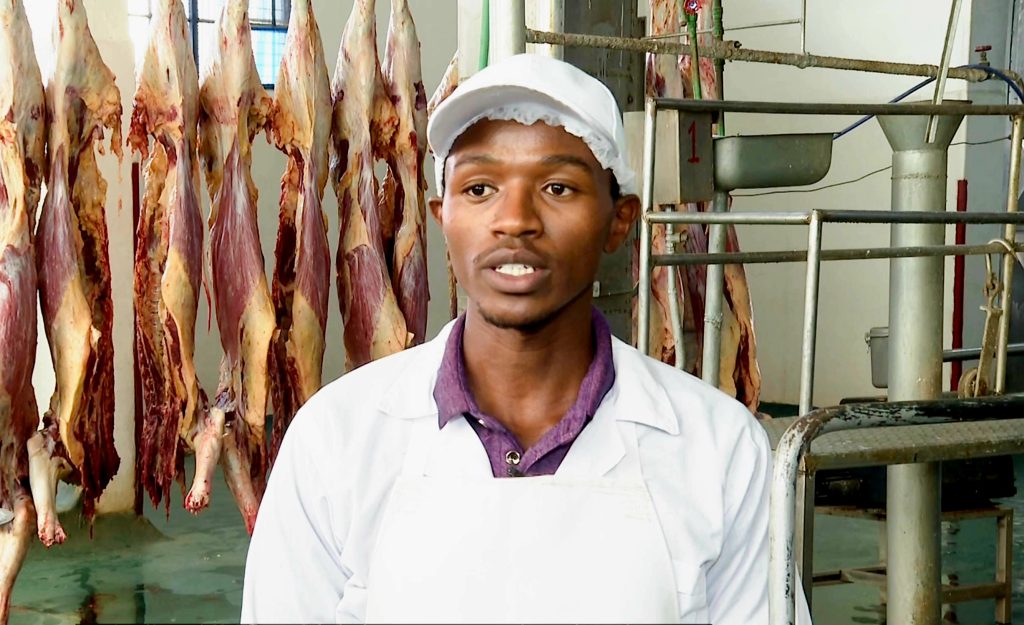
Kenya and Africa region have great potential to grow their meat industry to cater to both local and global markets. With growing markets, there is a need for improved standards and increased investment in skills and modern infrastructure. Institutions like the Kenya Meat Commission’s efforts towards strengthening value addition, quality assurance, and farmer linkages show that the meat industry is shifting towards quality-driven growth. The meat industry in Africa has great potential to create more jobs, increase farmer incomes, and contribute to long-term food security and economic growth.