
Agroforestry is a practical solution for sustainable agriculture, increasingly promoted in Kenya and across Africa as pressure on land intensifies.
Rapid population growth, shrinking arable land, and climate change, through erratic rainfall and land degradation, are reducing farm productivity. By integrating trees, crops, shrubs, and sometimes livestock, agroforestry mimics natural ecosystems and makes more efficient use of limited land.
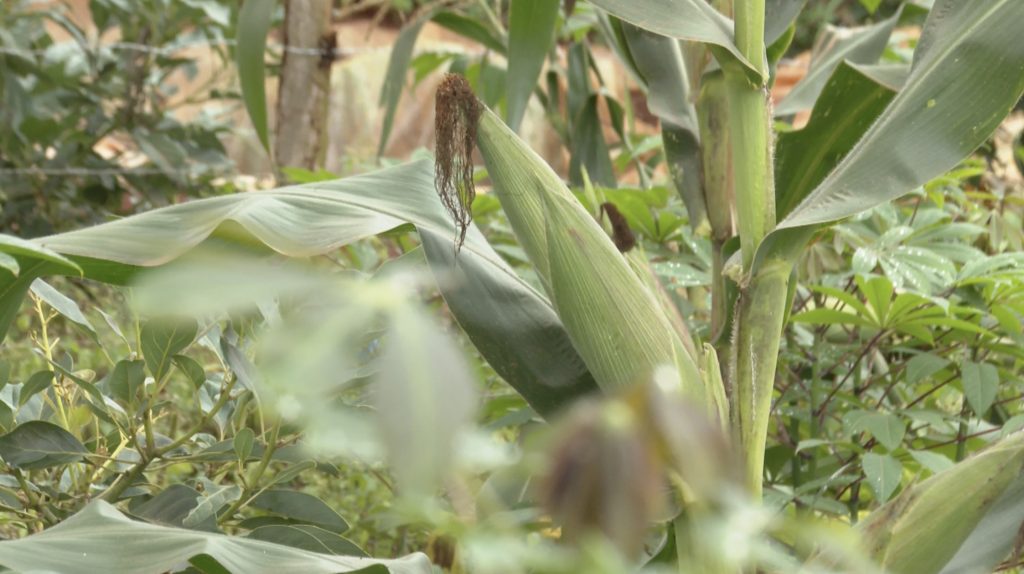
The system delivers both environmental and economic benefits. Trees improve soil fertility, moisture retention, and biodiversity, while reducing erosion and protecting farms from extreme weather. Diversified products such as timber, fruits, fodder, and crops spread risk and stabilize incomes. Agroforestry also supports climate resilience by enhancing water conservation, limiting desertification, and storing carbon. Overall, it is a sustainable, climate-smart practice that strengthens productivity while conserving natural resources.
Esther Maina, an agroforestry expert popularly known as “Mama Trees” from Githunguri, Kiambu County, demonstrates the transformative potential of agroforestry.
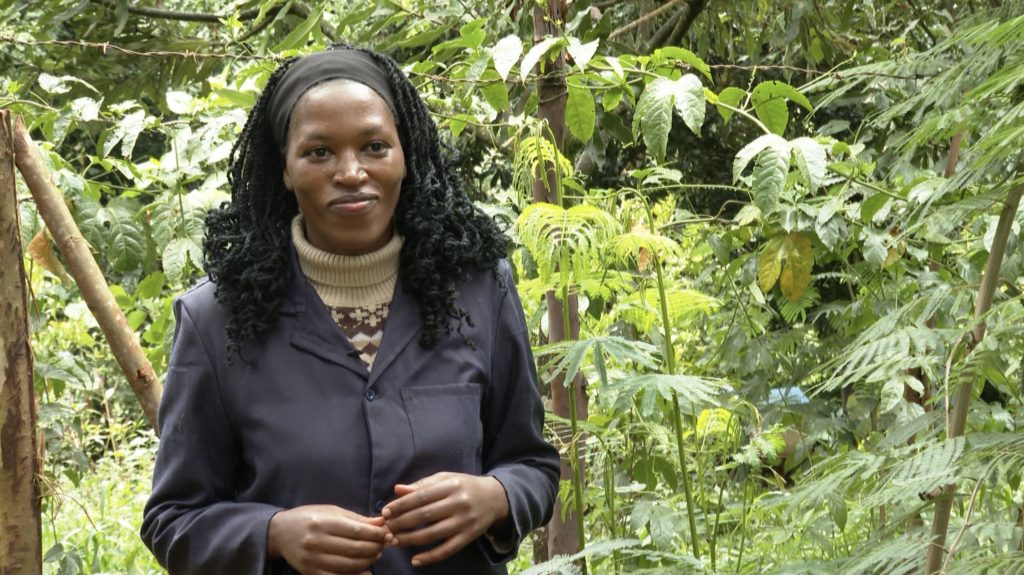
According to Esthert, “despite operating on a relatively small parcel of land, one can achieve high productivity by integrating crops, trees, and livestock in a carefully planned system. As an expert and a strong advocate for land use, I urge farmers to use their small spaces efficiently and strategically to ensure maximum productivity and long-term viability.”
“Agroforestry enables farmers to fully leverage their land by supporting up to seven distinct layers of production within the same plot,” she adds.
Using her own farm as a practical example, Esther explains these layers in a sequential and well-organized manner. The first layer, which she refers to as the “underground shamba,” consists of root and tuber crops such as cassava, harvested below the soil surface. The second layer is the ground layer, where she grows pumpkins and harvests both the fruits and leaves for consumption. The third layer includes standing crops and fruit trees, often described as “breast-height harvests”, such as maize and avocado, which can be harvested while standing.
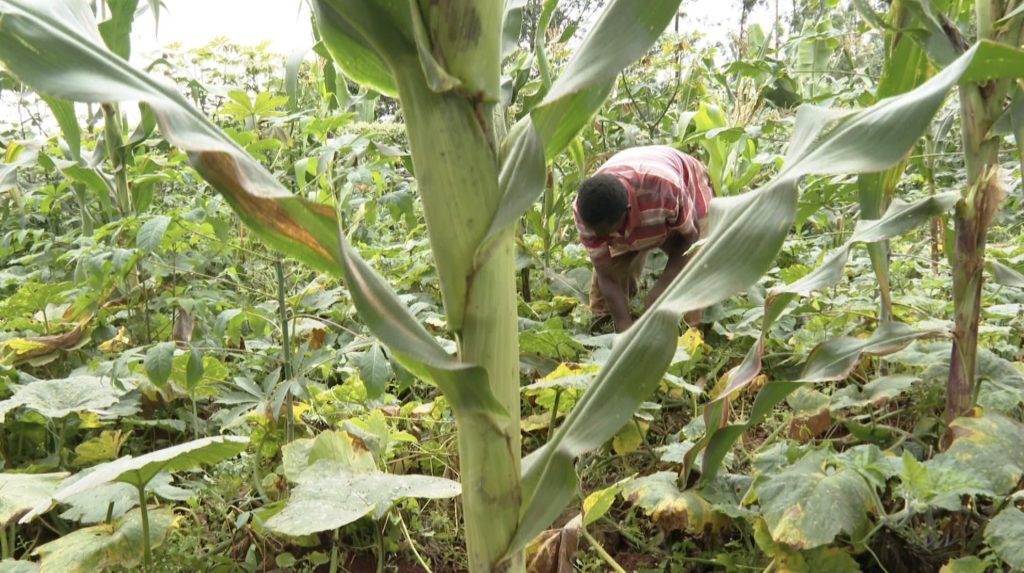
Esther reiterates that the integration of trees introduces additional productive layers. The fourth layer involves the harvesting of firewood from pruned branches, while the fifth layer is formed by trees planted along the farm boundaries, serving as live fencing around the shamba. The sixth layer is the tree canopy, from which timber can be sustainably sourced.
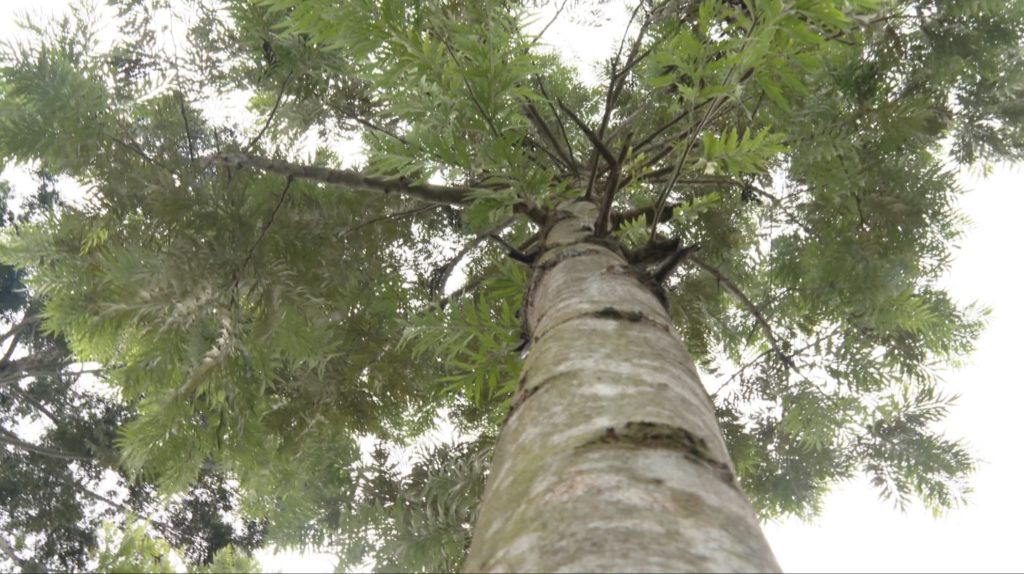
To add on, she says, the seventh and final layer utilizes the same trees as support structures for climbers, including passion fruit, granadilla, and yams, further increasing farm output without requiring additional land.
She emphasizes that to fully benefit from agroforestry and its seven layers of production, farms must be carefully designed and arranged sequentially, to maximize land-use efficiency, enhance productivity, and make agroforestry a practical and sustainable solution for smallholder farmers.
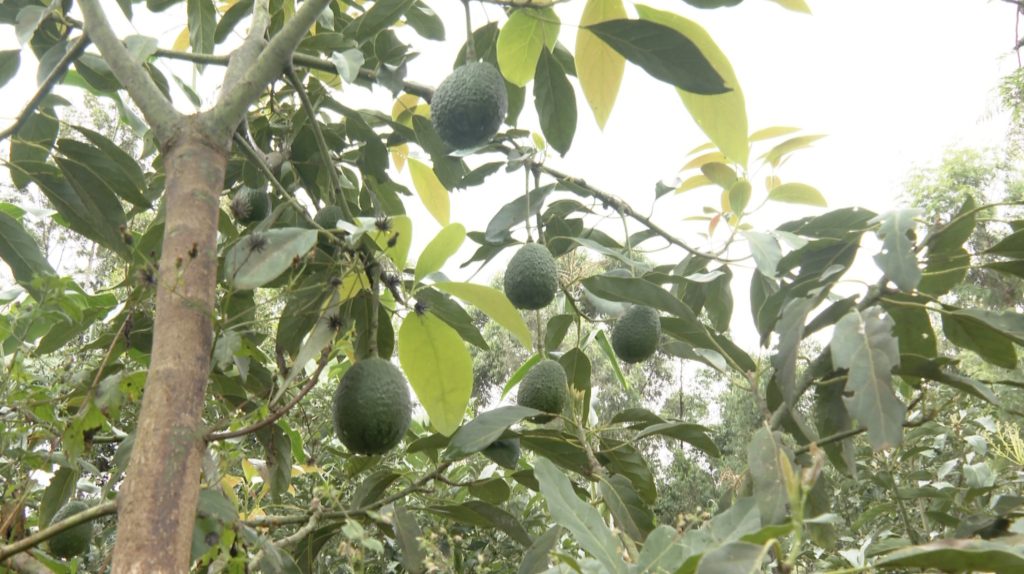
Esther stresses that not all trees are suitable for crop integration. “Successful agroforestry requires careful tree selection and farm design. Trees must complement, not compete with, crops. Farmers can therefore integrate trees in their farms through different approaches, like boundary planting, contour planting to control erosion on slopes, and alley planting within fields. “
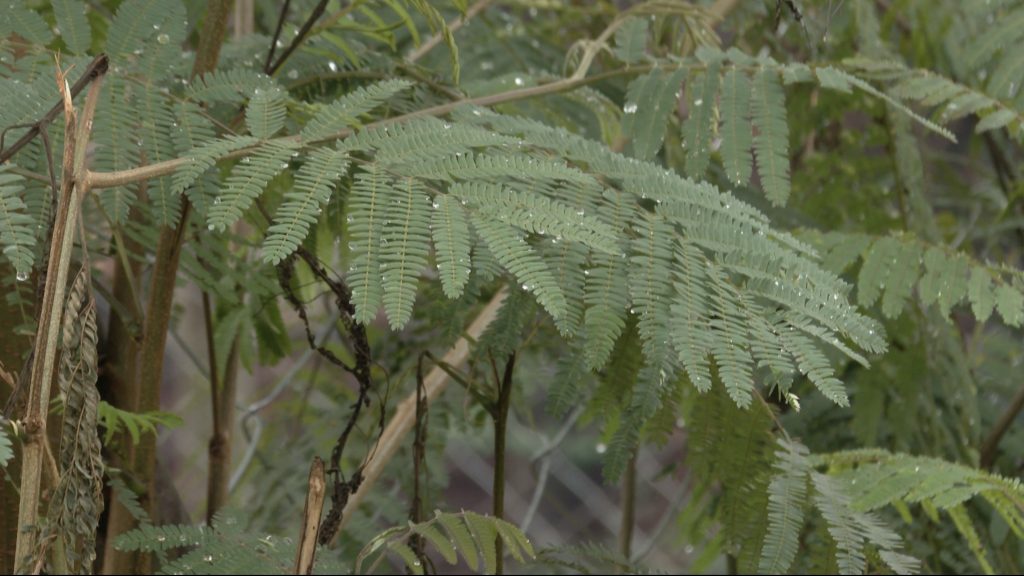
Esther warns against species like cypress and eucalyptus, which compete aggressively with crops and form dense canopies that suppress the growth of surrounding crops. Esther says in Agroforestry it’s good to consider multipurpose trees that boost soil fertility and support livestock. She says trees such as Calliandra Calothyrsus grow fast, can be pruned regularly, and they are nitrogen-fixing trees. Its leaves are rich in about 16% crude protein, which serves as quality fodder, improving dairy production when mixed with feeds like bran. She also recommends similar nitrogen-fixing trees like Leucaena and Sesbania for agroforestry.
Esther further explains that fruit orchids are important in farms, stating that crops grow naturally under minimal disturbance and zero tillage practices. She says that achieving a balance between agriculture and forestry is possible, but it largely depends on the farmer’s objectives and overall farm concept.
“A farmer may, for example, establish an orchard on one part of the land while growing diverse annual crops on another. Farm size should not be a limiting factor. Whether a farmer has a large or small piece of land, thoughtful planning and design can ensure the farm meets specific production and livelihood needs,” she explains
I train farmers in agroforestry and sustainable farming practices and one of the challenges I face as an agronomist is low adaptation of agroforestry by farmers, since some farmers find the concept difficult to understand. When farmers are exposed to its benefits and long-term sustainability, they adopt,” she says.
Esther Maina mentions that government support for agroforestry is essential, and it would help if they accorded it as they do forestry and agriculture as separate sectors. She says that integrating agroforestry into formal education and training will promote research and wider understanding.
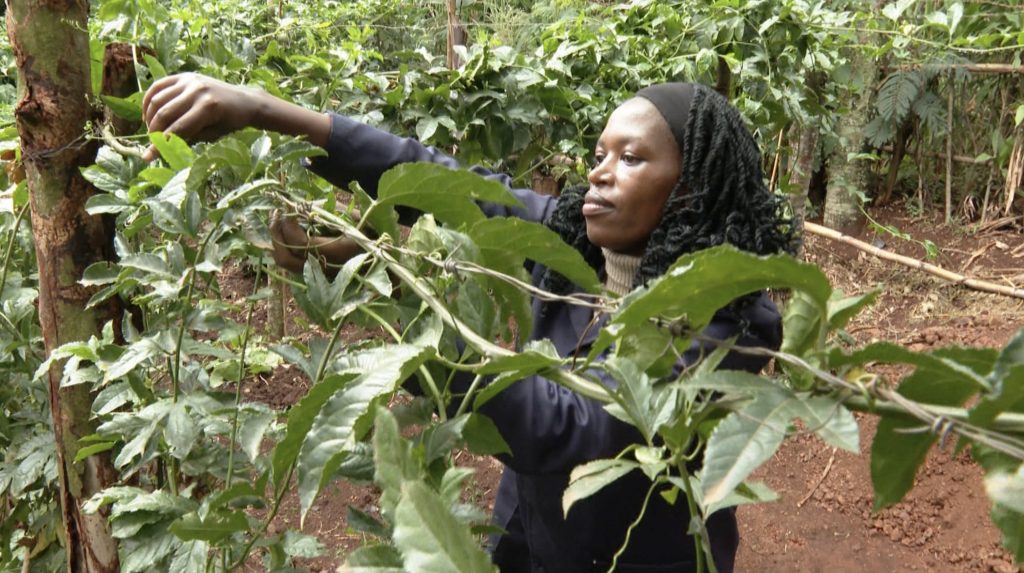
“Awareness and education are key for farmers and the public to recognize the benefits of restoring degraded land, conserving ecosystems, and compensating for declining natural forests. Agroforestry links farming with environmental conservation by improving soil health and biodiversity. Trees enhance soil structure, nutrient cycling, and provide habitats for pollinators like bees, which are vital for crop productivity, ” Esther notes.
With shrinking land and intensive farming systems, soil regeneration is rare. Planting of trees reduces tillage and promotes soil enrichment naturally.
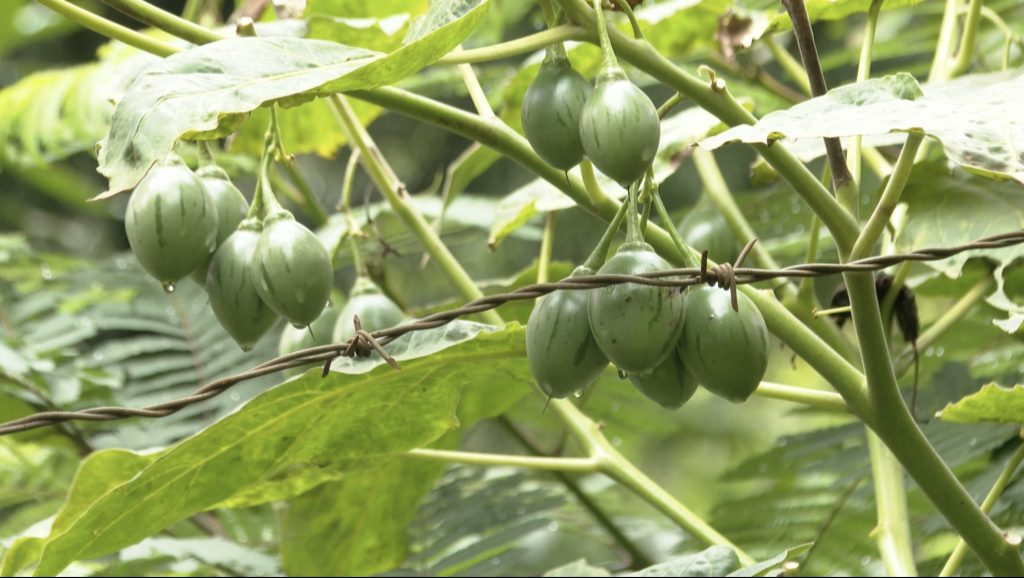
Agroforestry is a great approach to achieve sustainable agriculture. While challenges such as land degradation, climate change, and shrinking farm sizes intensify, the integration of trees into farming systems tends to be essential.
With increased support from the government, policymakers, investment in education, and wider adoption by farmers, agroforestry has great potential to bring about productive landscapes that help restore natural ecosystems while achieving sustainable farming.
Keep up the good work classmate. Four years were not in vane.
I salute the hard work. Agroforestry for life. The better solution even to curbing climate change.