
In Kenya’s Kiambu county, a greenhouse farmer nurtures beetroot not just as a crop, but a source of health and livelihood, answering the rising demand from families embracing nutrition.
As the sun rises over Juja, Derrick Rimba, a horticulture farmer is cultivating more than just soil by growing a beacon of health and opportunity. Derrick, an innovative greenhouse farmer, speaks passionately about beetroot, a once uncommon vegetable that is rapidly gaining popularity in Kenya’s farming and consumer markets.
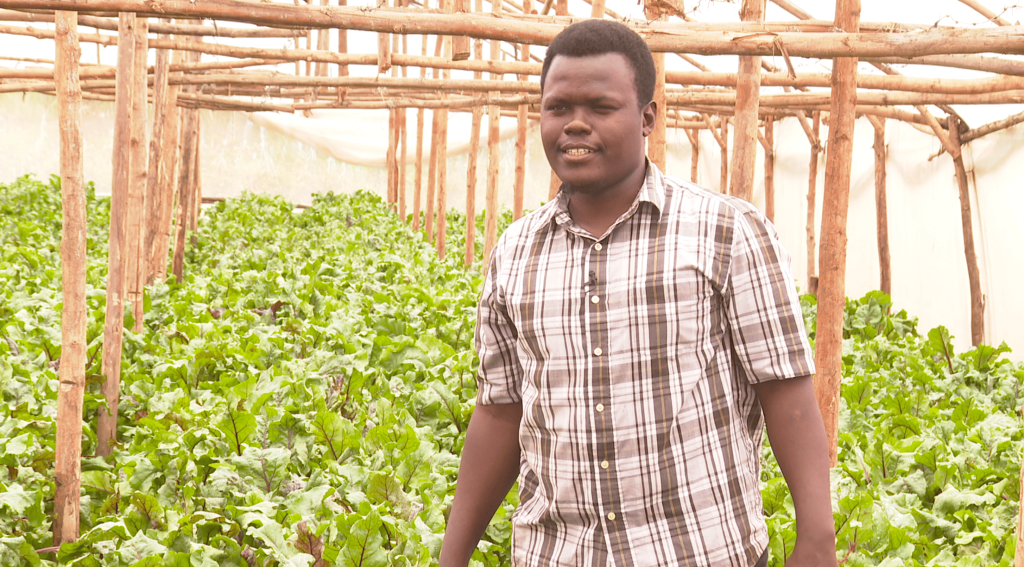
“Beetroot is a rotational crop for us,” Derrick explains, highlighting its role in crop rotation after onions. “We decided to go with beetroot because of its demand right now and its health benefits.” Unlike many who consider rotational crops as fillers, Derrick treats beetroot as a mainstay of his farming business, noting that “the monetary value is important. We are in farming as a business, so the greenhouse space has to pay for its inputs and run its costs.”
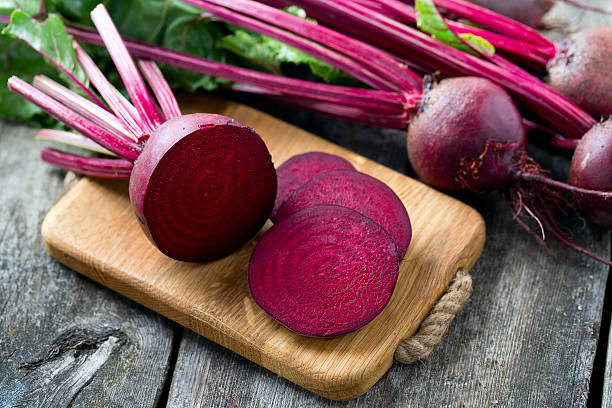
Beetroot is prized for its nutritional richness and versatility. It can be enjoyed in soups, salads or as juice, which has captured the attention of health-conscious individuals, particularly gym enthusiasts.
“Have you noticed those who go to the gym always have a beetroot drink? It’s packed with nutrients,” says Derrick, underscoring the growing demand driven by awareness about its health benefits including improved blood flow, enhanced exercise performance and lowered blood pressure.
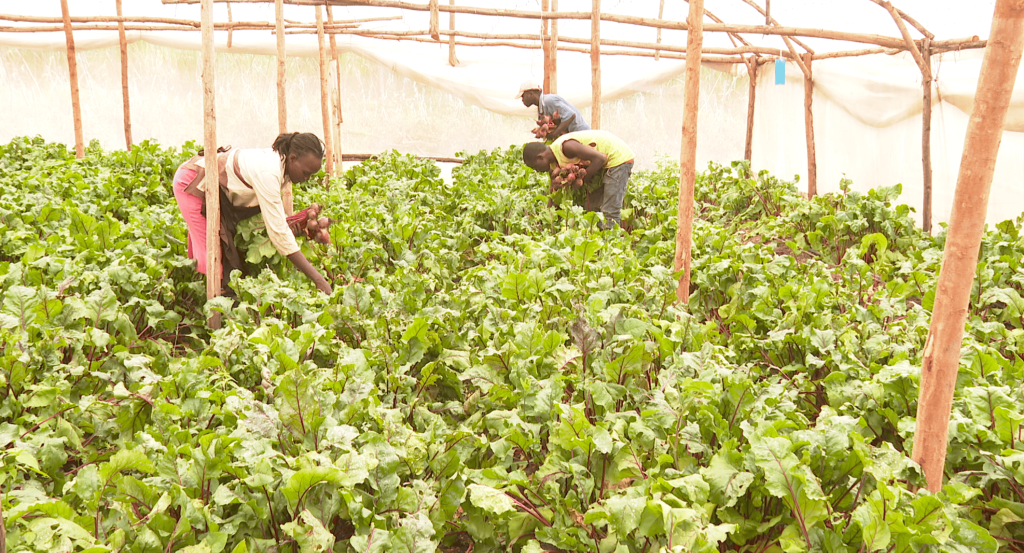
Derrick offers insight into the practical side of beetroot farming. “First, it is important to have a good soil texture. The soil needs to be plowed at least twice to have very fine soil because beetroot must be transplanted from seed and not seedlings.” While beetroot can be grown outdoors, Derrick points out the advantages of greenhouse cultivation: “The yield multiplies in the greenhouse due to controlled environment and feeding.”
On soil preferences, Derrick shares, “Loose soil is preferable. In our case, we have black cotton soil, so we till repeatedly to attain the desirable texture.” Before planting, preparation of the seedbed and the drip irrigation system is critical. “Make sure the land is moist during planting, and keep specific distances and depths for each seed.”
Maintaining the crop requires vigilance against fungal diseases, which thrive in the moist environment created by the beetroot’s dense foliage. “We irrigate two to three times a day with specific amounts of water to avoid over-irrigation and keep the greenhouse ventilated,” Derrick advises. Pest control is simpler compared to other vegetables, with a feeding program involving fertilizers and manure application.
Regarding nutrition, Derrick confirms, “Beetroot is a heavy feeder but manure and normal NPK fertilizers work well.” For farmers concerned about rising fertilizer costs, alternatives include frequent top dressing with cow or goat manure or a mixture of both, which enriches the soil and supports plant growth.
Derrick details the varieties best suited for the market. “We plant Red Detroit F1 specifically for its deep red color and good size, averaging between 80 to 110 grams per beetroot.” The germination period spans five to ten days with a maximum of twelve days and harvest occurs after seven to nine weeks when the roots are mature and firm.
Leaf management is essential too. “It is advisable to have eight to ten leaves, sometimes up to sixteen depending on soil and feeding. Thinning reduces excess foliage that could hinder growth,” Derrick explains.
Markets for beetroot are thriving. Prices range from 80 to 130 Kenyan shillings per kilo, depending on the clientele. “High-end clients pay up to 130, while local markets pay around 90.”
Profitability is a key driver for farmers. Derrick notes, “Our greenhouse plants around 2000 to 2200 beetroots, yielding about two tons. It’s profitable due to low management costs and steady market demand.”
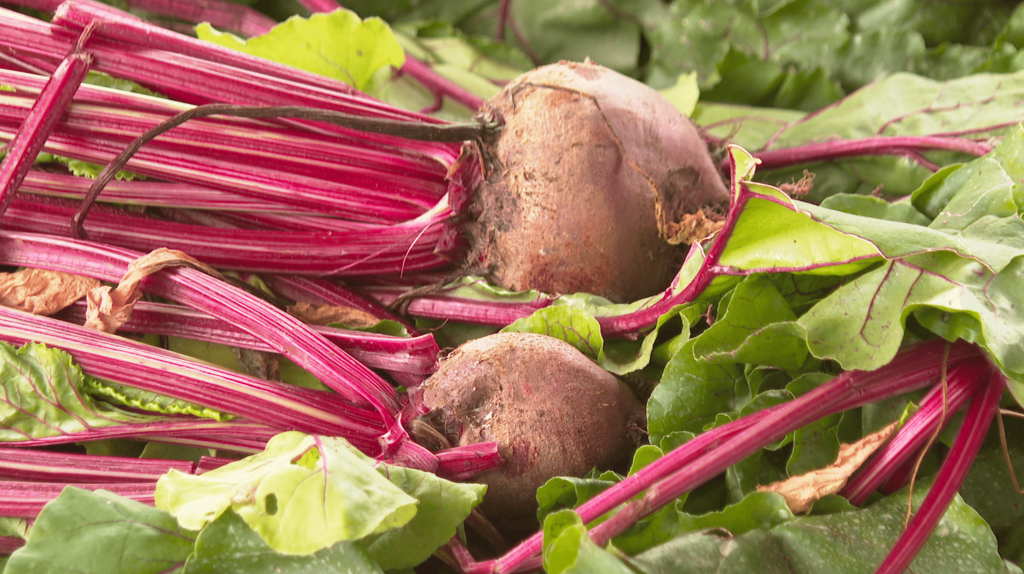
Following the beetroot harvest, farmers often plant cabbage or tomatoes, which complement beetroot in a crop rotation system. As harvest approaches, pesticide and fertilizer application is halted to manage chemical residue and comply with food safety standards.
Comparing outdoor versus greenhouse farming, Derrick emphasizes that greenhouses provide a controlled environment with precise feeding and fewer pests. “Outdoor farming requires daily scouting for pests like caterpillars and aphids,” he adds. For those deterred by greenhouse construction costs, net houses offer a more affordable alternative.
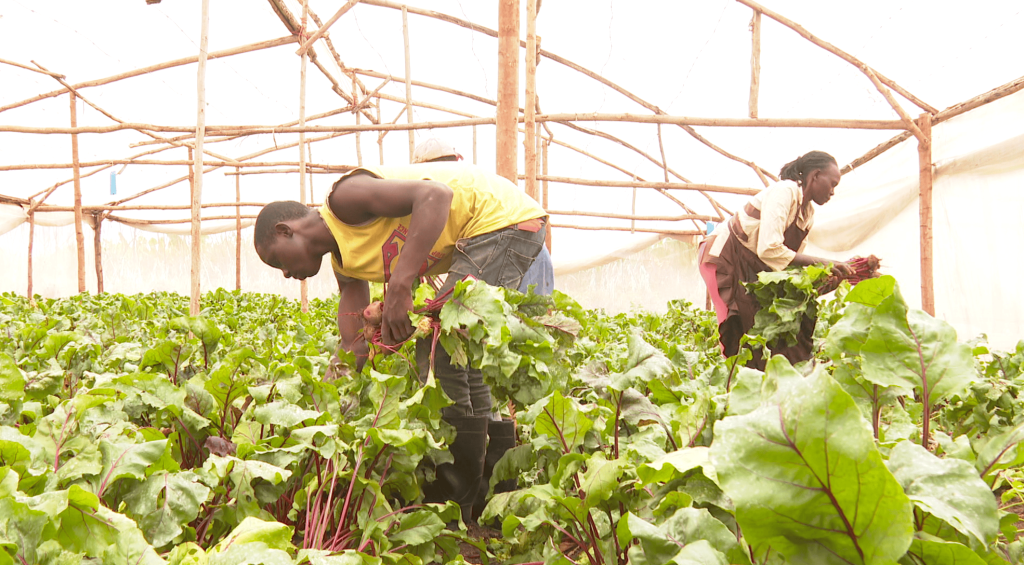
As more Kenyans embrace healthy living, beetroot’s nutritional profile and economic viability position it as a crop of the future. Its ability to grow year-round in suitable conditions, coupled with increasing demand from health enthusiasts, signals profitable opportunities for farmers willing to invest in both knowledge and infrastructure.
From Juja to markets in Nairobi, beetroot farming is no longer niche but a growing agricultural venture blending tradition, science and business to nourish communities and boost livelihoods.