
In a bustling city estate, Pauline Githinji turned her backyard into a flourishing climate-smart garden, growing vegetables not just for her family but for the community.
“I began this just for my family, but now I want to do it commercially,” she shares excitedly.
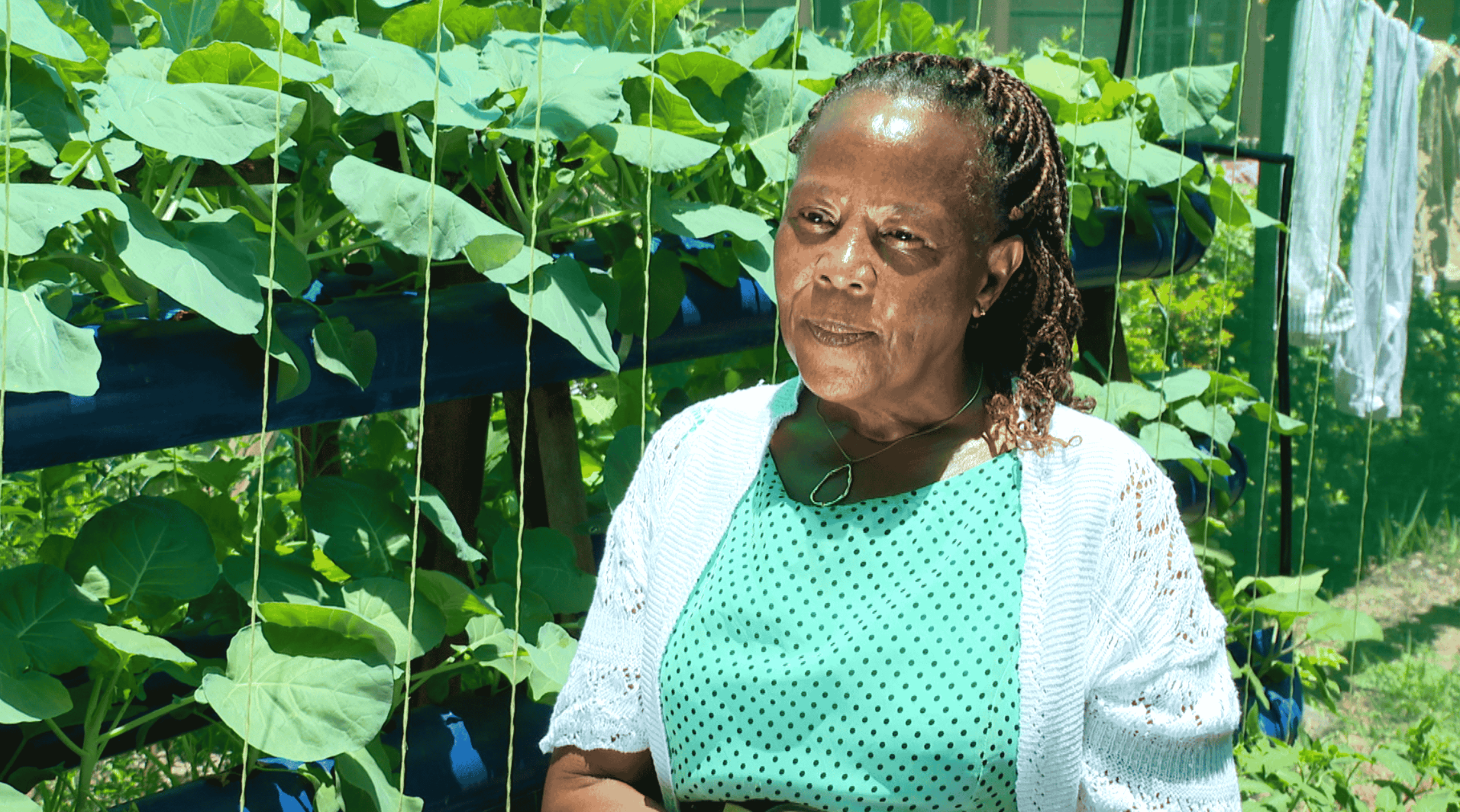
As cities grow and climate change intensifies its grip, urban dwellers face food security challenges while green spaces dwindle. This dilemma fuels a growing movement toward climate-smart urban farming, an innovative approach championed by Kenyan gardeners and supported by unique techniques. The initiative aims to turn any small opportunity into a productive food source, using eco-friendly methods to feed city populations sustainably.
Pauline’s success echoes a broader trend where urban agriculture is not only a means for food but a vital climate response. “We are trying through innovation to bring on board the urban communities,” explains Daniel, a local innovator behind the garden’s design. “Urban communities cannot be net consumers of food. They have to be producers too.”
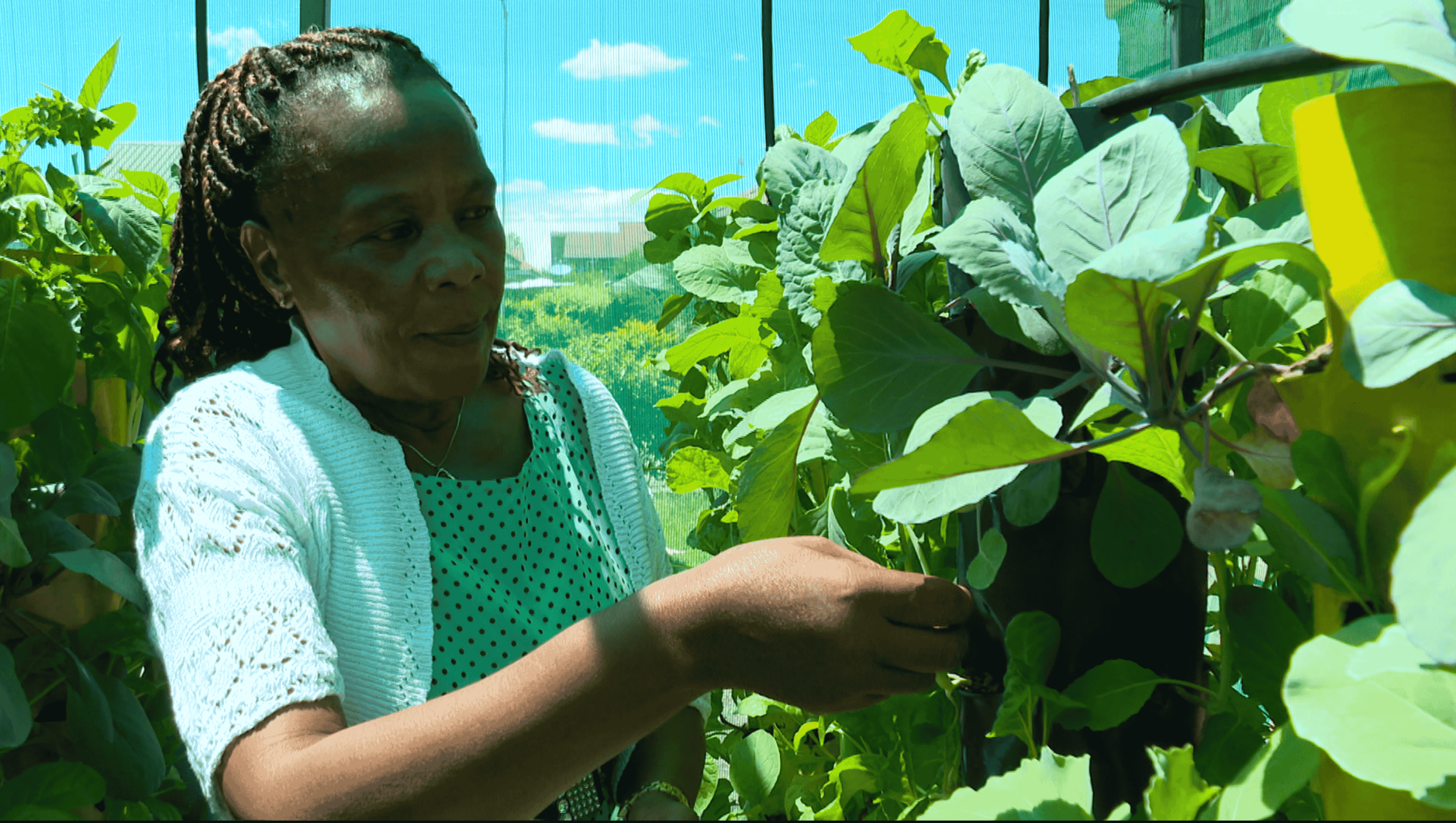
Urban spaces in Kenya—and indeed worldwide—face the twin crisis of shrinking agricultural land and rising food demand due to population growth. The challenge is to find ways to grow enough food without harming the environment. Enter climate-smart urban farming: an approach marrying limited space with technology for high yields while minimizing resource use.
Daniel Wanderi, Founder and Chief Executive Officer, Eco Hydroponic Gardens describes the two primary structures used in these gardens: the Tower Garden and the Spiral Garden.
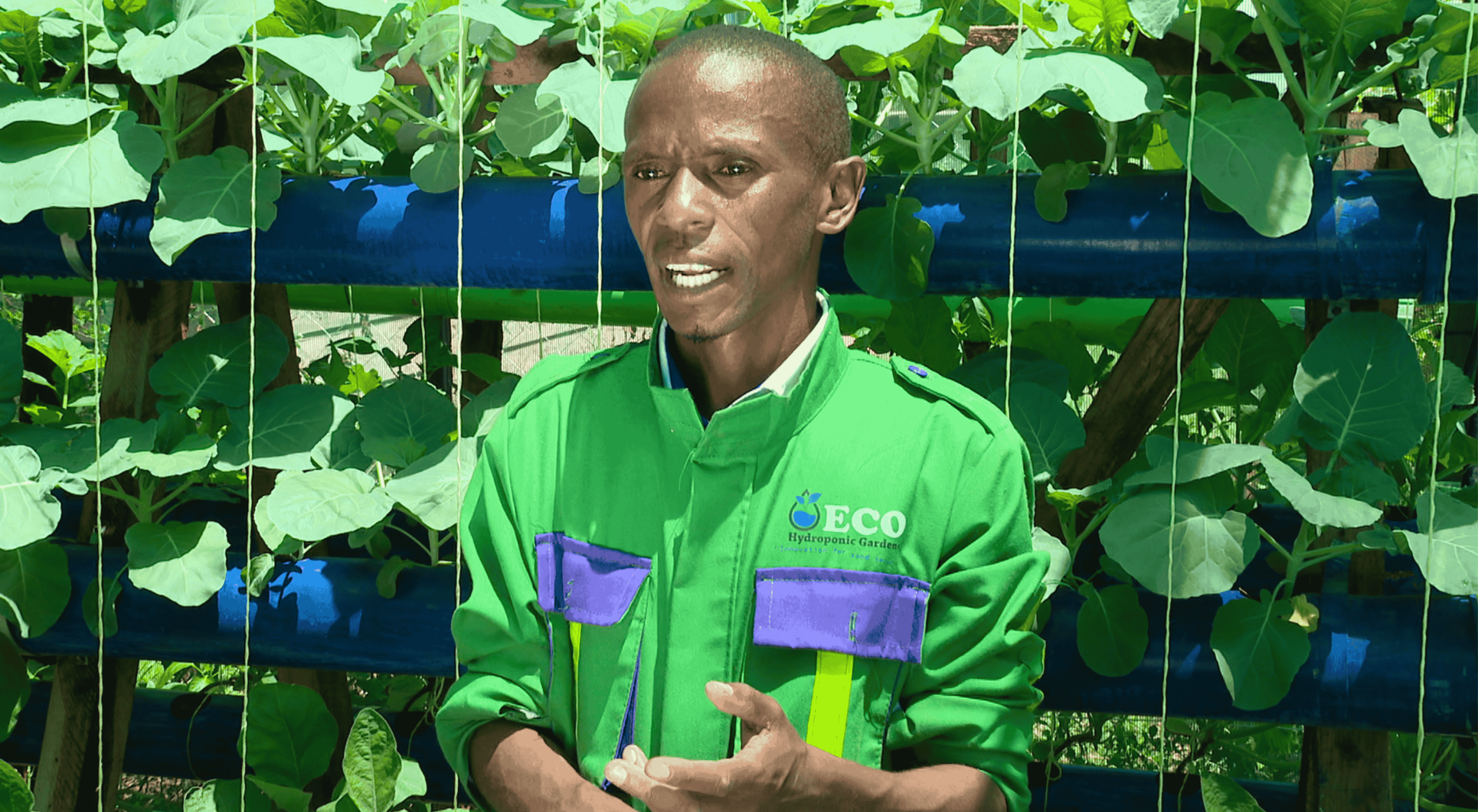
He says “A Tower Garden is five feet tall and fits 48 plants in just one square foot. It’s portable, flexible, and perfect for balconies and small yards,” he notes. This vertical approach makes farming accessible even in small apartments or rooftop spaces.
Spiral Gardens cater to creeping crops like tomatoes, cucumbers, and capsicums, designed to maximize space without compromising plant growth. The choice between these systems depends on crop type and available space. “One square foot of a Tower Garden can produce 48 plants. Imagine that in relation to traditional farming space,” Daniel says, highlighting the efficiency of these urban farms.
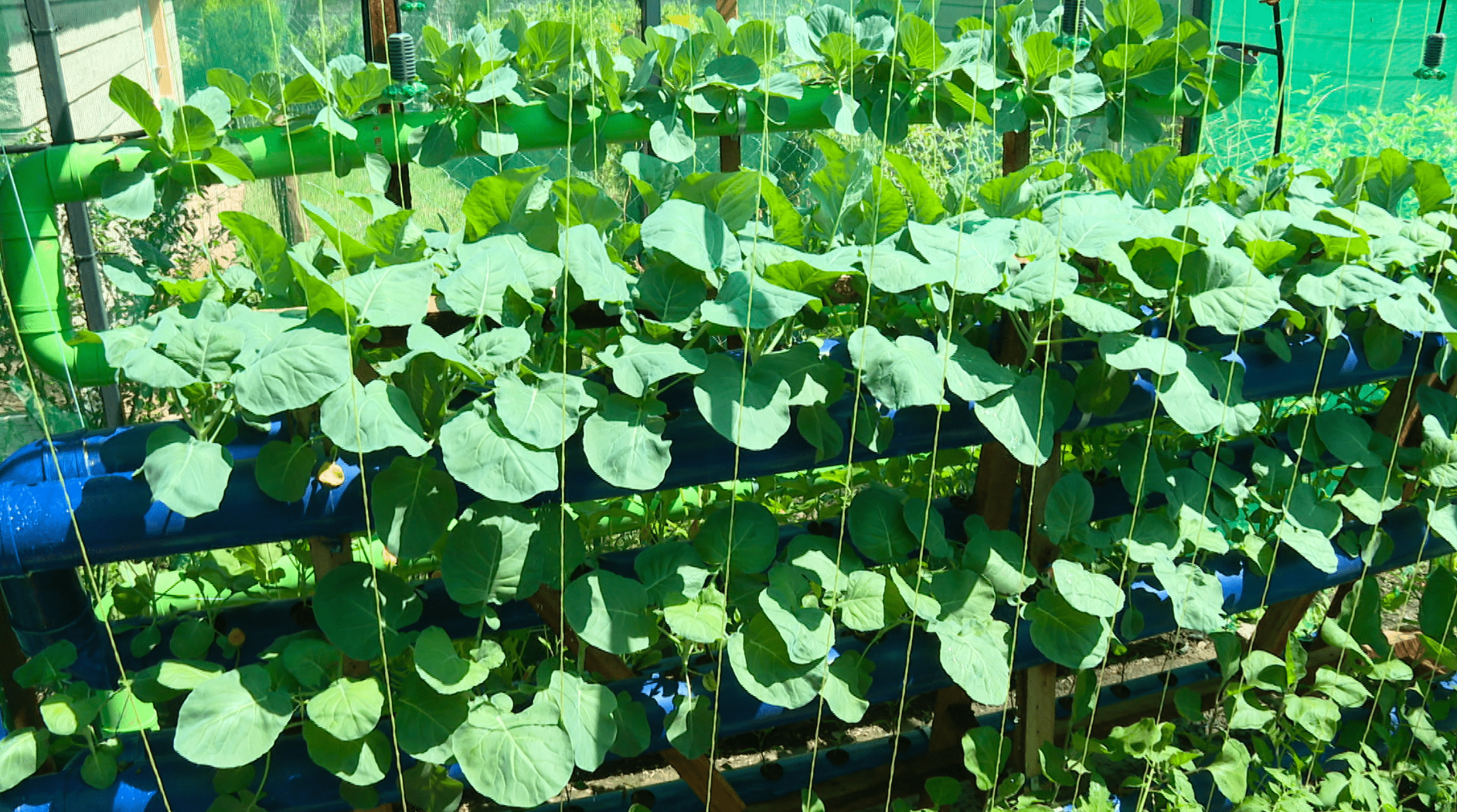
Growing food in cities also demands smart water use, vital in environments where water scarcity is a real threat. Pauline shows off irrigation systems including drip lines and misters that conserve water while maintaining healthy plant growth. “You use up to 80 percent less water,” Daniel explains. “It’s called precision feeding—you feed only what the plants need, reducing wastage and cost.”
Water efficiency translates into cost savings, a crucial factor for urban farmers. Daniel shares that a single Tower Garden uses just two liters of water per day for 48 plants, a feat unimaginable in conventional soil farming. This approach drastically cuts the water bill, from something costly to manageable, making urban farming viable for many.
Constructing these gardens is surprisingly affordable. A single Tower Garden complete with drip irrigation, growing media, and water-soluble nutrients costs about 3,500 Kenyan Shillings, with a five-year guarantee. “We use materials that are locally available—PVC pipes and simple hardware materials—so anyone can set up their garden,” Daniel says.
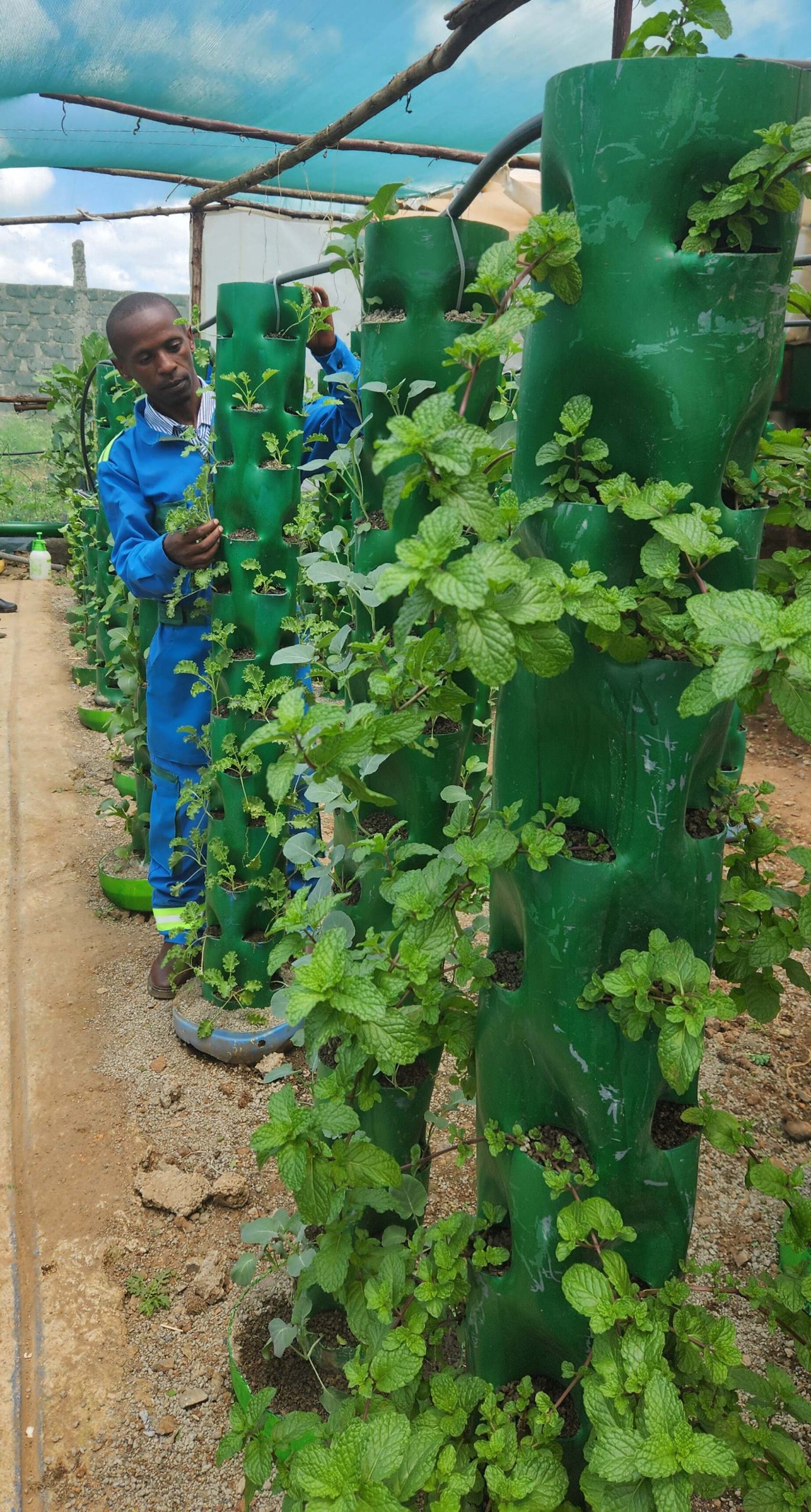
Urban farming is also gaining popularity in education. Schools under Kenya’s CBC curriculum incorporate these methods to foster creativity, innovation, and problem-solving among students. “Climate-smart urban farming is becoming a competency,” Daniel points out, reinforcing the role of education in spreading sustainable farming practices.
The environmental benefits are immense. Urban gardens reduce greenhouse gas emissions by cutting food transportation and creating green patches that improve air quality. They provide fresh, nutritious vegetables right at the doorstep, boosting food sovereignty and community resilience against climate shocks.
Pauline’s garden is not only a source of food but also a livelihood. “I have enough vegetables to sell to neighbors and markets,” she says, illustrating the potential of urban farms to support small businesses and improve urban livelihoods.
The future of agriculture is clearly intertwined with urban life. By 2030, it is projected that the majority of the global population will reside in cities, underscoring the urgency for sustainable, space-smart farming solutions. “If the majority live in cities, who will produce the food for them? It has to be the cities themselves,” Daniel emphasizes.
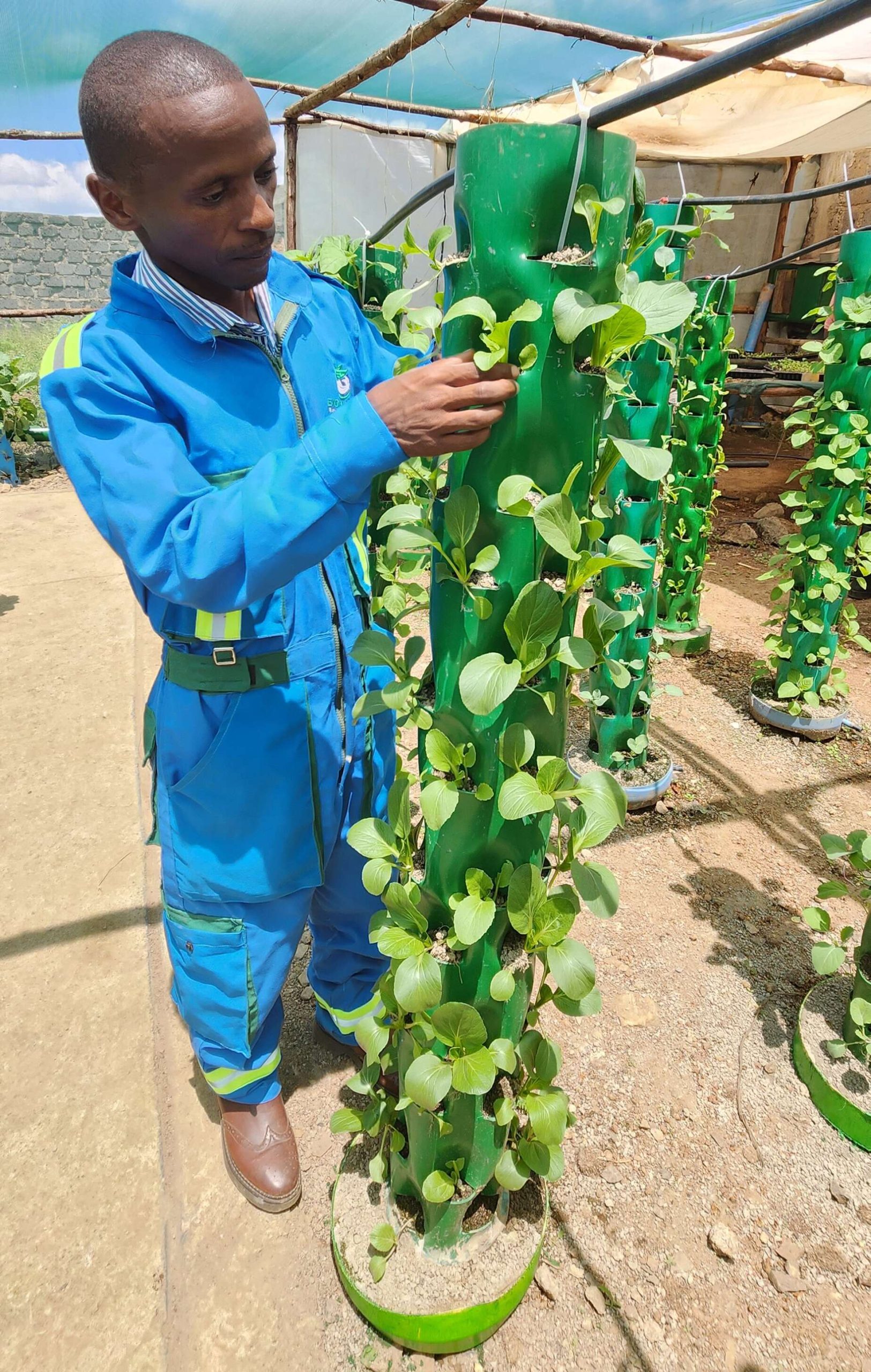
Urban farming bridges the gap between consumption and production, enabling city-dwellers to reclaim food sovereignty and fight climate change simultaneously. These innovative gardens invite everyone—whether in a sprawling home or a small apartment—to become active participants in food production.
For urban residents like Pauline, the garden is more than plants and soil; it is a source of pride, hope, and security. “There is no excuse not to venture into agriculture,” Daniel declares, “because urban farming is the future.”
In a world where climate change challenges every corner of life, these small urban farms represent a powerful grassroots response—a network of green solutions growing against the odds, feeding communities, and nurturing the planet one compact garden at a time.
Such inspiring stories light the way for others to transform their own spaces, proving that with a little innovation and care, every city can bloom with climate-smart abundance.