
Ending Hunger By 2030: Is East Africa Region On Track?
Nearly 62 million people in the East Africa region faced acute food insecurity (defined as IPC Phase 3 or worse) and were unable to have sufficient food on their tables.
This is according to the World Food Programme (WFP) Humanitarian Response 2024 overview for the East Africa region where it highlights the region’s alarming and severe situation in 2024. The report indicates that the region faced widespread and intense humanitarian needs, which was driven primarily by multiple interacting shocks which were mainly armed conflict, extreme weather events, socio-economic disturbances, and repeated disease outbreaks.
According to the humanitarian scale, the Integrated Food Security Phase Classification (IPC) ranges from Phase 1 through Phase 5. Phase 1 and 2 indicate minimal or stressed food insecurity, while Phase 3 indicates Crisis, Phase 4 Emergency and Phase 5 indicates Catastrophe/Famine, thus these phases indicate the levels of the severity and magnitude of malnutrition and food insecurity.

East Africa region in the year 2024, being classified in IPC phase 3 or more, means there is a major crisis that needs immediate resolution to ensure future food safety, security and sustainability for all.
WFP human response, report stated that the driver for the food crisis mainly resulted from, conflict, climate shocks like droughts and floods, socioeconomic shocks i.e. inflation and rising cost of living within the region, and disease outbreak.
Additionally, the WFP publication on Fill the nutrient gap in Eastern Africa states that, three-quarters of the population cannot afford a healthy diet; a third of women of reproductive age suffer anaemia; and the consumption of ultra-processed foods is rising while nutrient-rich foods remain unaffordable.
UNICEF news release earlier this year on April 2025 were calling for immediate and concerted efforts to tackle the alarming nutritional crisis that is affecting almost 13 million children with acute malnutrition in eastern and southern Africa region, where nearly 4 million children are estimated to suffer from severe malnutrition, which according to UNICEF is the most lethal form of undernutrition.
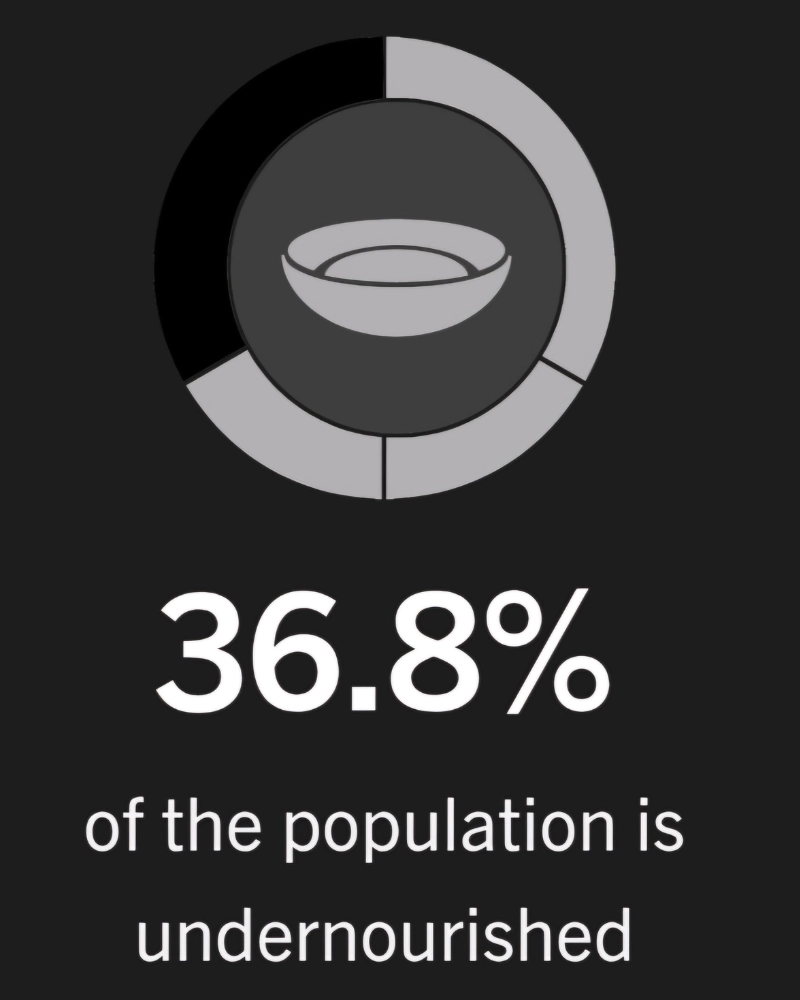
According to the recent Global Hunger Index (GHI) report, Kenya ranked 103rd Out of 123 countries with sufficient data to calculate the 2025 GHI scores. The recent GHI report shows that Kenya scored 25.9, indicating a critical level of hunger. The findings further reveal that 36.8% of the population is undernourished. This is a serious concern, as it highlights insufficient access to food at the national level.
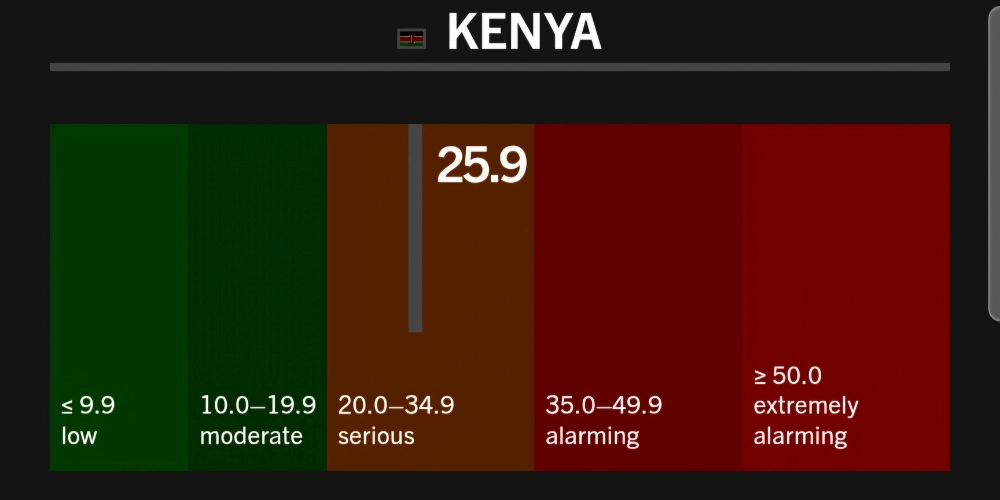
It also underscores that, as a country, we still have a long way to go in achieving Sustainable Development Goal 2 (Zero Hunger). The Global Hunger Index defines hunger as the distress associated with a lack of sufficient calories, where individuals consume fewer calories than the minimum dietary energy required to live a healthy and productive life. This requirement varies depending on a person’s sex, age, body size, and level of physical activity.
While it defines undernutrition as deficiencies in energy, protein, and essential vitamins and minerals. Stating that undernutrition is caused by inadequate food intake in both quantity and quality, as well as poor nutrient absorption due to illness or infection, but the contributing factors include household food insecurity, poor maternal health and limited access to healthcare, safe water and sanitation services.
In Africa, food insecurity and malnutrition continue to affect women, girls, and children. These groups are the most vulnerable to the impacts of weather extremes, climate emergencies, and conflict, which often disrupt access to food and essential resources. As a country(Kenya) we have seen progress over the years when it comes to initiatives to help in poverty reduction and rural development, but we still grapple when it comes to sustaining the growing population, adopting to climate change and solving the huge gap when it comes to economic inequalities.
While agriculture remains central to Kenya’s economy, there are still significant gaps that hinder progress toward achieving national food security and sustainability. To move forward, Kenya must strengthen its capacity for self-sufficiency by investing in rural infrastructure, including water harvesting systems, reliable road networks, and access to clean water and electricity.
It is equally important to support farmers through insurance and adaptation programs that can cushion them from the impacts of floods, droughts, and other climate shocks. Thus, Kenya’s heavy dependence on rain-fed agriculture continues to make farmers highly vulnerable, especially during periods of erratic rainfall. This reliance threatens the stability of domestic food supply and worsens the effects of hunger in many regions. Considering that a large portion of the country i.e. 80% is classified as arid and semi-arid, urgent action is needed to enhance agricultural resilience and ensure that no Kenyan goes hungry.
The latest GHI report says that the world is at a critical point where immediate and collective action is required to prevent a global hunger crisis and to achieve the Sustainable Development Goal of Zero Hunger by 2030. Thus, hunger and malnutrition persist not because solutions are lacking, but due to weak national policies, poor implementation of strategies, inadequate governance, limited institutional commitment and a lack of accountability at various levels.
These systemic challenges continue to undermine progress toward ending hunger. For Africa, the path forward demands stronger governance, greater investment in climate resilience, and a bold transformation of food systems across the continent. We must prioritize building a self-sufficient Africa, one capable of feeding its people, reducing poverty, and ensuring that every citizen has access to nutritious food. Ending hunger is not just a global goal, it is a moral and strategic imperative for our shared future.
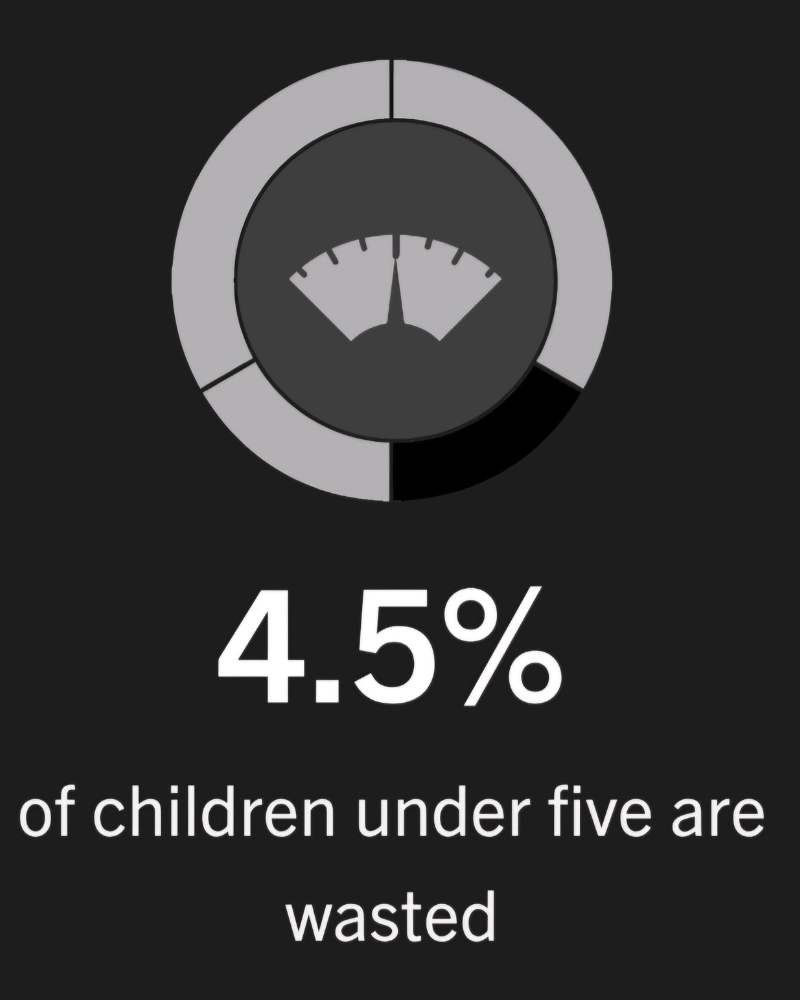
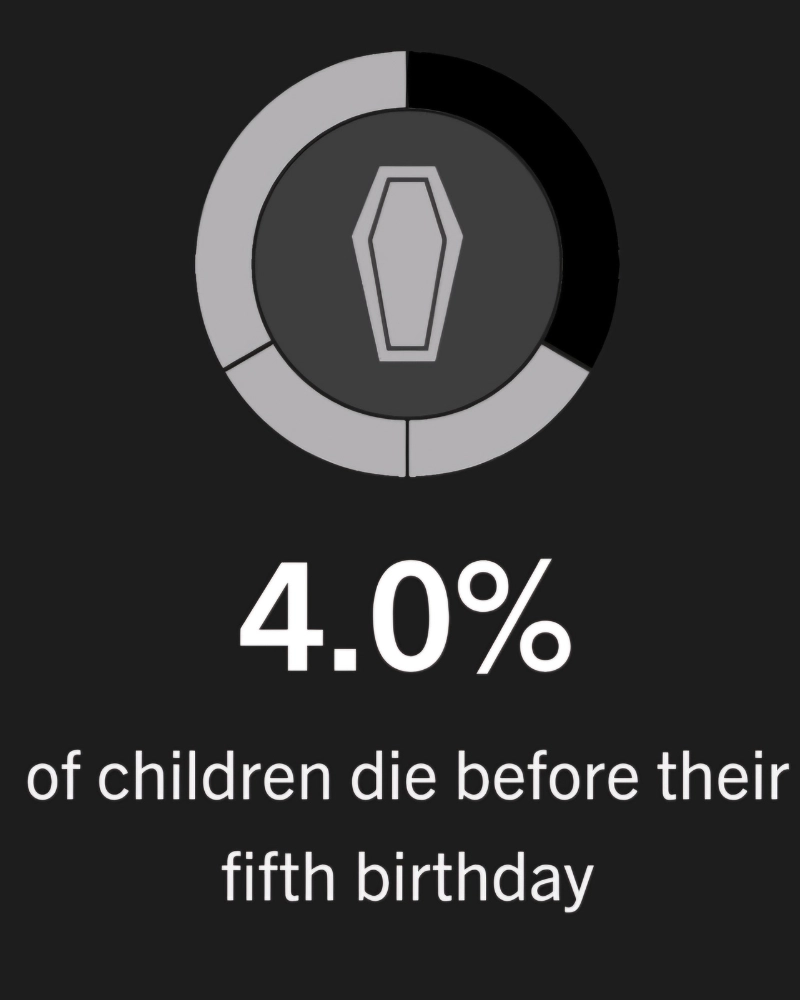
It is important to also recognize that women constitute the largest share of the agricultural and food system workforce in developing countries. Despite their significant contribution and productivity, women often have limited control over resources and decision-making. Yet, they play a central role in determining household nutrition, influencing what families eat and how food is utilized.
Therefore, empowering women through education on nutrition, health, and resource management is critical. Strengthening their social and economic status not only improves household well-being but also contributes to national food security and community resilience. Investing in women is ultimately, investing in the foundation of sustainable food systems.
The data indicating Africa’s hunger and malnutrition levels, is troubling. Considering we are barely less than 5 years away to achieve sustainable goal of zero global hunger, it means a lot has to be done, to achieve sustainable food security within the continent ensuring the populace meet their basic food needs, while ensuring stable livelihoods, functioning agricultural systems and resilient supply-chains.